The champagne is chilling but the balance sheets are bleeding
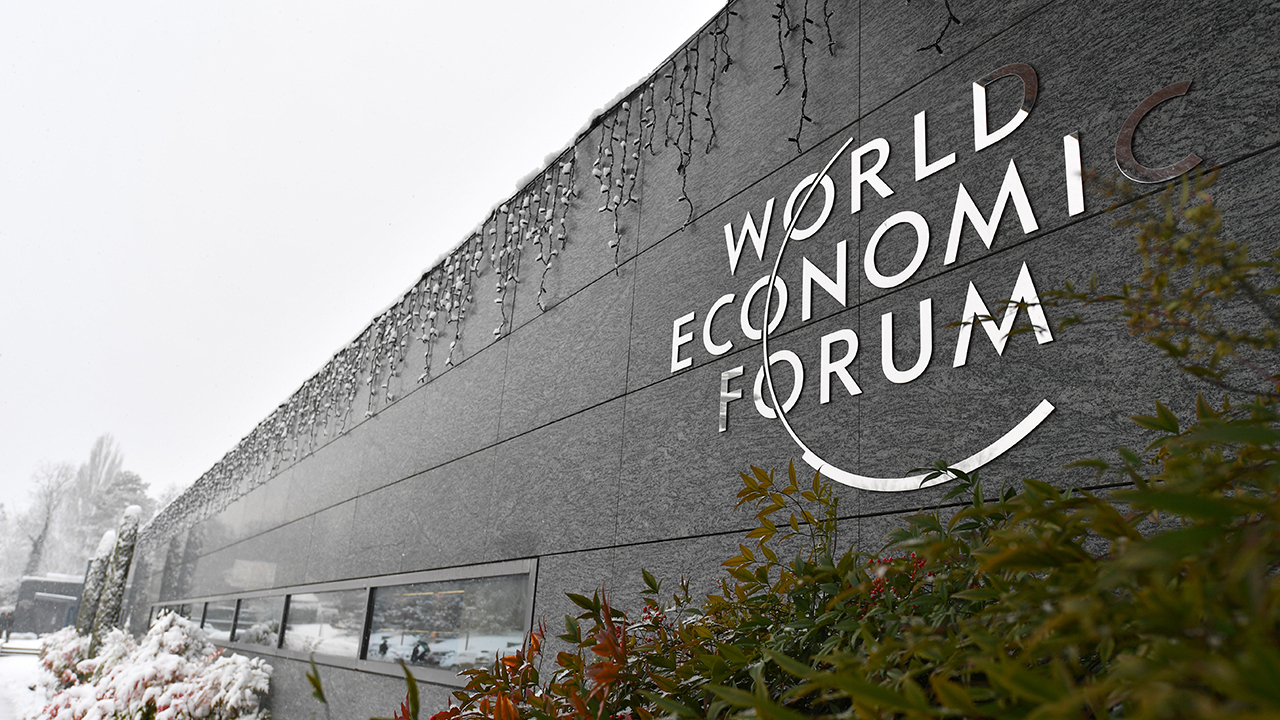
The global elite are packing for the Swiss Alps. On January 19, 2026, the World Economic Forum will open its 56th annual meeting, but the air in Davos will be thinner than the profit margins of the firms attending. While the official brochure promises a focus on climate and AI-driven growth, the reality on the ground as of December 4, 2025, is one of systemic fragility. The 10-year Treasury yield just touched 4.31 percent, a sharp climb from the levels we saw in late October. This move signals a market that no longer believes the soft landing narrative promoted by central banks. The cost of capital is staying high, and the cheap money era is not coming back to save the over-leveraged.
The AI productivity gap is widening
Silicon Valley is selling a revolution that the data does not support. We are seeing a massive disconnect between Capex spending and actual revenue growth. According to recent market data from December 3, the top seven tech firms have collectively spent over 200 billion dollars on AI infrastructure this year alone. Yet, the enterprise adoption rate remains stagnant. Most companies are stuck in the pilot phase, unable to prove that large language models can replace high-cost labor at scale. The risk is a valuation collapse. If the January forum does not produce concrete evidence of AI ROI, the current tech bubble will find its needle in the first quarter of the coming year.
The green premium is a survival tax
Climate change is the headline, but the green transition is becoming a debt trap. Governments are pushing for sustainable practices while their own debt-to-GDP ratios are at historic highs. The latest reports from the Eurozone show that the cost of servicing green bonds has risen by 45 basis points since September. Small and medium enterprises cannot afford the compliance costs. This creates a two-tier economy where only the largest corporations can buy their way into the ESG-compliant club. Davos will frame this as progress, but for the average business owner, it is a regulatory wall that prevents competition. The skepticism among retail investors is palpable as the S&P 500 concentration reaches levels not seen since the 1970s.
The hidden mechanism of the AI disclosure scam
Corporate transparency is at a decade-low point. There is a technical mechanism currently being used to inflate earnings through what we call AI-washing. Firms are reclassifying standard software updates as AI Capex to take advantage of favorable tax treatments and to lure in venture capital. This is not just a marketing trick, it is a structural risk. The SEC began investigating three major tech conglomerates on December 2 regarding their claims of AI-driven efficiency gains that do not appear in their audited financial statements. When the audit cycle completes in early 2026, the delta between marketing claims and actual productivity will be exposed. We are looking at a potential wave of restatements that could wipe out billions in market cap overnight.
Liquidity is the real ghost at the feast
Watch the repo markets very closely. While the WEF participants discuss global cooperation, the plumbing of the financial system is clogging. Yesterday, December 3, the overnight repo rate spiked unexpectedly, indicating that banks are hoarding cash again. This behavior contradicts the official line of economic resilience. If the big players are afraid to lend to each other in the final weeks of 2025, the stability of the global markets throughout January is in doubt. The forum will try to project confidence, but the data tells us that the foundation is cracking. The gap between the S&P 500 performance and the Russell 2000 is now the widest it has been in five years, suggesting that the rally is built on the backs of only a few giants.
The milestone to watch in 2026
Focus on January 15, 2026. This is the date the December CPI data hits the tape. If inflation shows a second consecutive month of acceleration, the entire agenda at Davos will be rendered irrelevant. Central banks will be forced to abandon any remaining hope of rate cuts, and the high-interest environment will become the permanent reality. Watch for the 2-year and 10-year yield spread on that morning. If the inversion deepens again, it will be the definitive signal that the Davos dialogue is nothing more than a hollow echo of a failing economic model.