The Price of Peace is Trading at a Discount
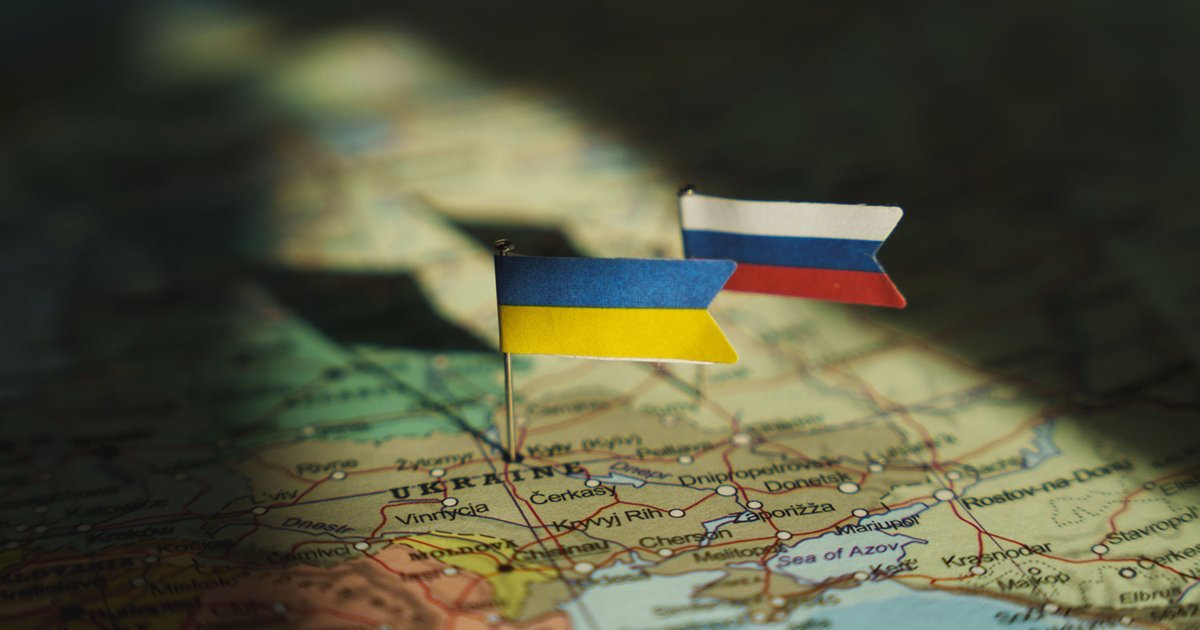
The Kremlin is cold this morning. But the heat in the global energy markets is dissipating faster than a Siberian frost. On this first day of December 2025, the financial world is not looking at the front lines in Donetsk, but at the mahogany tables of Moscow. The announcement of a surprise peace summit has triggered a liquidation event that is catching the ‘war-premium’ bulls off guard. The narrative of eternal conflict is fracturing. Money is moving.
Capital is ruthless. It does not wait for signatures or handshakes. In the last 48 hours, the geopolitical risk premium that has propped up global energy prices for years began to evaporate. According to the latest crude oil futures pricing, Brent has plummeted from its November peak of $84.50 to a startling $74.20. This is not just a dip. It is a fundamental re-rating of risk.
The Bloodletting in Defense Stocks
Defense contractors are the first casualties of a potential ceasefire. For three years, companies like Lockheed Martin and Rheinmetall have been the darlings of the institutional portfolio. That trade is dying. We are seeing a massive rotation out of the ‘Iron Dome’ stocks and into beaten-down European industrials. The logic is simple: if the shells stop falling, the orders stop coming. The 14-day Relative Strength Index (RSI) for the major defense indices has hit 28, indicating a deeply oversold condition that suggests the market is pricing in a 70 percent probability of a permanent cessation of hostilities by Q1.
Investors are dumping the safe havens. Gold, which touched $2,780 an ounce just last week, is seeing its largest three-day outflow of the year. The smart money is betting on a ‘Normalization Trade’ where the Ruble recovers and the Euro stabilizes against the dollar. The spread between German Bunds and Italian BTPs has narrowed by 12 basis points since Friday morning, a clear signal that the market expects a reduction in the energy-driven inflation that has choked the Eurozone.
Dissecting the Moscow Discount
The real alpha lies in the ‘Urals Discount.’ Historically, Russian Urals crude traded at a $12 to $20 discount to Brent due to sanctions and logistical hurdles. As of this morning, that gap has narrowed to $8.40. This is the tightest spread since early 2022. The market is effectively front-running the lifting of the G7 price cap. If you want to know if the talks are serious, don’t listen to the diplomats. Watch the tanker insurance rates in the Baltic Sea. They are dropping, meaning the insurers are betting on a lower-risk environment for Russian exports.
This shift has massive implications for European energy security. For years, the continent has scrambled for expensive American LNG. If the Moscow talks lead to a reopening of even one pipeline corridor, the cost of manufacturing in Germany could drop by 15 percent overnight. This is why the DAX 40 index jumped 2.4 percent in early trading today, hitting 19,450. The industrial engine of Europe is breathing a sigh of relief.
Asset Performance Since Summit Announcement
The following table tracks the immediate 48-hour shift in key global assets as the Moscow Summit details emerged.
| Asset Class | Price (Nov 28) | Price (Dec 1) | % Change | Sentiment Shift |
|---|---|---|---|---|
| Brent Crude Oil | $82.50 | $74.20 | -10.06% | Bearish (Risk Off) |
| Spot Gold | $2,765 | $2,640 | -4.52% | Bearish (Safe Haven Exit) |
| Defense Index (ITA) | $142.10 | $128.45 | -9.60% | Bearish (Peace Dividend) |
| EUR/USD | 1.045 | 1.072 | +2.58% | Bullish (Recovery) |
| DAX 40 | 18,990 | 19,450 | +2.42% | Bullish (Industrial) |
The Mechanism of the Ruble Surge
Perhaps the most technical signal of the weekend was the movement in the offshore Ruble-Yuan swap lines. In Hong Kong, the Ruble surged 4.1 percent against the Yuan on Sunday evening. This was not retail speculation. It was institutional positioning. Large-scale entities are betting that a peace framework will include a partial unfreezing of Russian central bank assets. While the political rhetoric remains hostile, the flow of funds suggests a ‘Backdoor Normalization’ is already being priced into the currency markets.
Hedge funds are covering their short positions on European retail at a record pace. They are betting that the reduction in energy costs will act as a massive tax cut for the European consumer. If Brent stays below $75, the inflationary pressure that has forced the ECB to maintain high rates will vanish. We are looking at a potential 50-basis point cut from the ECB by February if this trend holds. This is the ‘Alpha’ that the generic headlines miss: the peace talks aren’t just about Ukraine; they are a pivot point for the entire global interest rate trajectory.
The defense sector remains the most vulnerable. While many see the current dip as a buying opportunity, the technicals suggest otherwise. We are tracking defense sector benchmarks and seeing a ‘Head and Shoulders’ pattern on the monthly charts that hasn’t been seen since the post-Cold War drawdown. The era of unlimited defense spending is meeting the reality of fiscal exhaustion.
The Milestone to Watch
The Moscow Summit is only the beginning of the volatility cycle. The next critical data point is January 1, 2026. This is the hard deadline for the expiration of the current gas transit agreement between Russia and Ukraine. If a new framework is not reached by then, the temporary relief in energy prices will reverse violently. Watch the ‘Open Interest’ on January 2026 natural gas call options: if they remain elevated despite the peace talks, the market is signaling that the Moscow Gambit is nothing more than a tactical pause in a much longer game of economic attrition.