The Liquidity of Survival
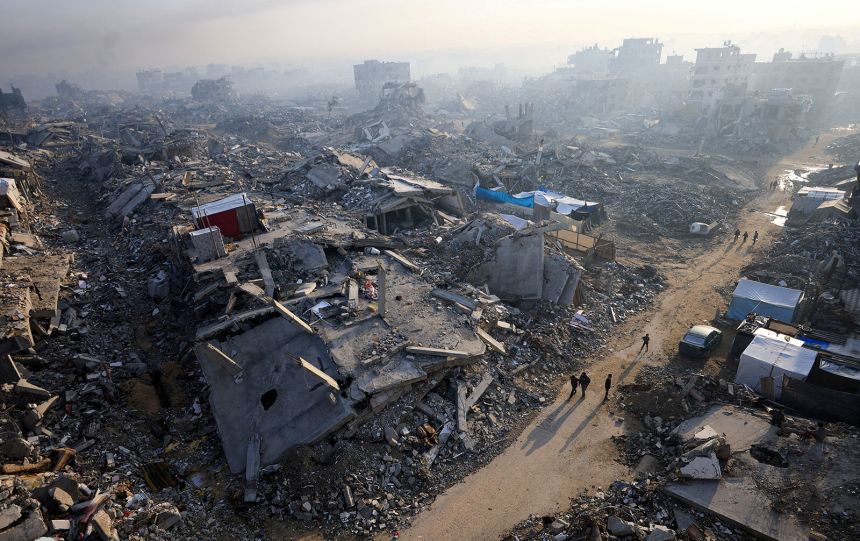
The money is gone. The buildings are dust. Only the skills remain. In the wreckage of the Gaza Strip, the traditional metrics of economic health have long since evaporated. GDP is a ghost. Inflation is a fever. What remains is a desperate race to preserve human capital before it follows the physical infrastructure into oblivion. The latest data from the United Nations Development Programme indicates a pivot toward emergency employment as the primary mechanism for social stability.
This is not a job market in any traditional sense. It is a liquidity injection designed to prevent the total evaporation of essential services. Per the reconstruction estimates provided by international observers, the cost of rebuilding the physical environment is staggering, yet the cost of losing the professional class is immeasurable. When a surgeon or a sanitation engineer leaves, the recovery timeline extends by decades. Emergency employment programs are the last line of defense against a permanent brain drain.
The Healthcare Human Capital Crisis
Healthcare workers are the epicenter of this struggle. The UNDP has reported that sustaining essential health services now relies almost entirely on these emergency employment frameworks. It is a subsidy for survival. By providing cash for work, the agency is effectively underwriting the salaries that the local administration can no longer provide. This prevents the collapse of the health sector, which is currently operating at a fraction of its pre-conflict capacity.
The technical mechanism here is straightforward. Cash-for-work programs provide immediate income to households. This income circulates in the local micro-economy, supporting small vendors who still manage to operate. It is a rudimentary multiplier effect. However, without a massive influx of capital for structural reconstruction, these programs remain a band-aid on a severed artery. The UNDP Programme of Assistance to the Palestinian People is currently the primary conduit for these funds, but the gap between available aid and actual need remains a chasm.
Recovery Funding Gaps by Sector
The following data illustrates the disparity between the damage sustained and the funding currently allocated for recovery as of early February.
| Sector | Estimated Damage (USD Billions) | Funding Gap (%) | Primary Funding Source |
|---|---|---|---|
| Housing | 12.5 | 92% | International Donors |
| Health | 2.1 | 58% | UNDP / WHO |
| Energy | 1.8 | 85% | Regional Grants |
| Water / Sanitation | 1.2 | 70% | UNICEF / NGOs |
Financing the Reconstruction Gap
The financial reality is grim. Private investment is non-existent. Insurance markets have abandoned the region. This leaves the burden of reconstruction entirely on the shoulders of international donors and multilateral agencies. The World Bank interim assessments have consistently highlighted that without a stable political framework, the risk premium for any capital injection is too high for the private sector to stomach.
Emergency employment acts as a temporary hedge. It keeps the population anchored to the geography. If the doctors and engineers leave, the territory becomes a permanent ward of the international community. The UNDP’s focus on “protecting key skills” is an admission that the physical infrastructure is currently a lost cause. The priority has shifted from bricks and mortar to the preservation of the knowledge economy. It is a strategy of hibernation, waiting for a political thaw that remains elusive.
Projected Allocation of Recovery Funds by Sector February 2026
The Macro View of Aid Dependency
Aid dependency is a trap, but in this context, it is the only floor beneath the abyss. The Gaza economy is currently a closed loop of humanitarian assistance. Money enters as aid, is spent on basic necessities, and exits as payment for imported goods. There is no domestic production to capture the value. This creates a cycle where the UNDP must continually increase funding just to maintain the status quo. The inflation of basic goods, driven by scarcity and logistical bottlenecks, further erodes the purchasing power of the emergency wages provided.
Technical observers note that the current model is unsustainable beyond the short term. The “new beginning” mentioned by local workers is contingent on a transition from emergency employment to structural investment. Without a clear path to industrialization or trade, these workers are effectively being paid to wait. The skills they are preserving will eventually atrophy if they are not applied to a functioning economy. The risk of a “lost generation” of professionals is the primary concern for economists watching the region.
The next critical data point arrives on March 15. This is the deadline for the quarterly review of the Gaza Reconstruction Mechanism. Markets and observers will be looking for any sign of a shift from emergency aid to long-term capital projects. If the funding remains locked in the “emergency employment” phase, it will signal a lack of confidence in the region’s political stability for the remainder of the year. Watch the health sector retention rates as the lead indicator of social cohesion.