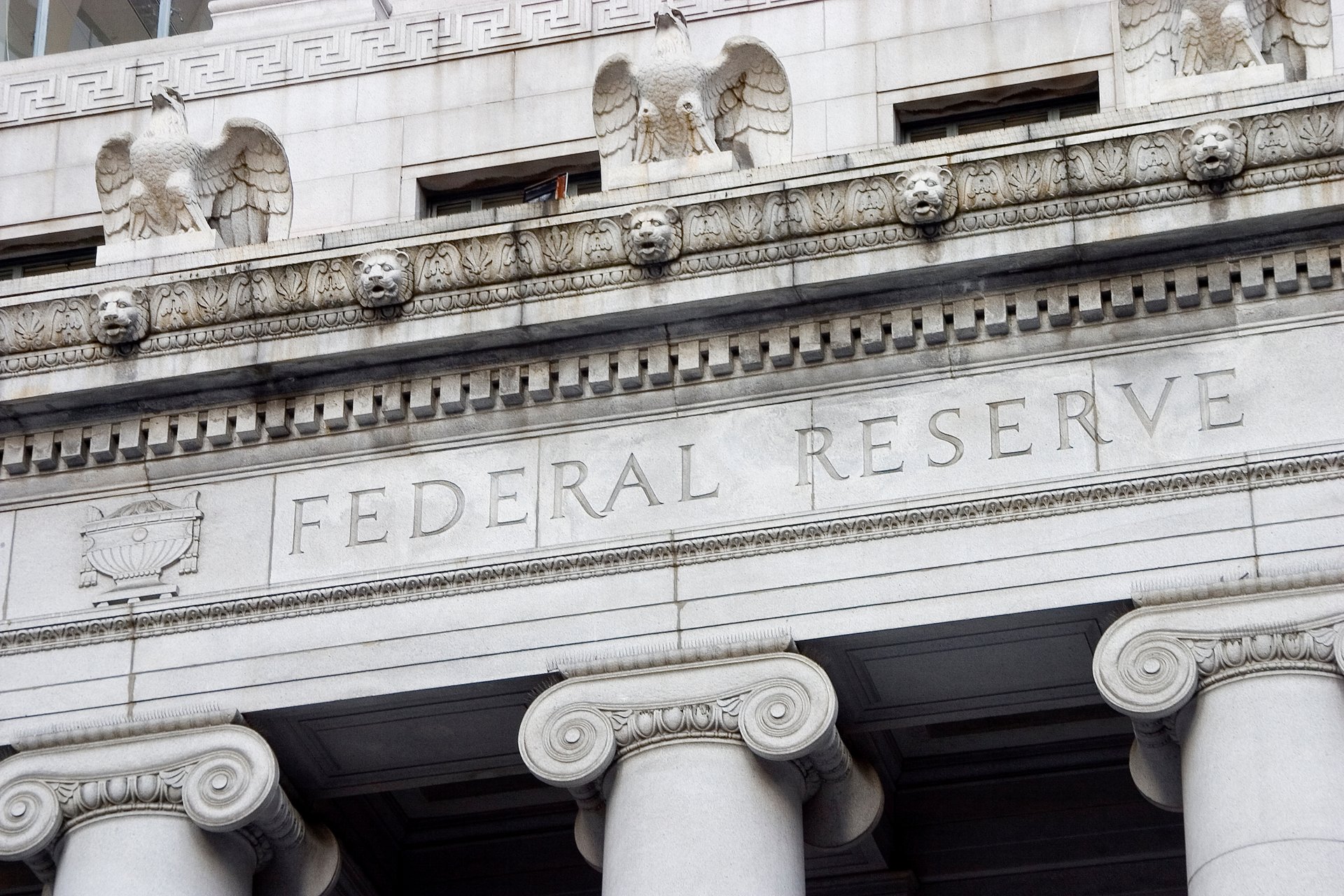
The plumbing of the global financial system is being rewired. On December 12, 2025, the Federal Reserve quietly initiated its first $40 billion purchase of short-dated Treasury bills, marking a definitive end to the quantitative tightening era. This is not the stimulus of a crisis. Instead, it is a structural necessity to prevent a freeze in the repo markets. While the headline figures suggest a return to expansion, the reality is a desperate attempt to maintain the ample reserves framework as bank balances hit a critical floor of $6.5 trillion.
The Mechanics of Reserve Management Purchases
Policymakers are avoiding the term quantitative easing. During the December 9-10 FOMC meeting, Chair Jerome Powell emphasized that these Reserve Management Purchases (RMPs) are technically oriented. The objective is simple: stop the drainage of bank reserves before the Secured Overnight Financing Rate (SOFR) spikes. Markets had been flashing warning signs for weeks. Funding pressures in the $12.6 trillion short-term market forced the Fed to pivot from balance sheet reduction to neutral maintenance. Per the latest Bloomberg liquidity reports, the 10-year Treasury yield has stabilized at 4.15 percent, while 3-month bill rates remain stubbornly high at 4.65 percent.
This yield curve inversion persists despite the Fed cutting the federal funds rate to a range of 3.50-3.75 percent last week. The central bank is trapped. It must buy bills to provide liquidity but cannot buy long-dated coupons without reigniting inflation concerns. This creates a technical ceiling for equity multiples that many retail investors have yet to price in. The $40 billion monthly injection acts as a stabilizer, not a rocket fuel. It is a maintenance contract for a aging monetary system.
Fed Balance Sheet Pivot: From Runoff to RMP
Figure 1: Monthly change in Fed Treasury holdings (Billions USD). The December pivot marks the first positive net purchase since the tightening cycle began.
The Big Tech Cash Paradox
Institutional strategists are reassessing the safety of the Magnificent Seven. Mike Wilson of Morgan Stanley has recently argued that the traditional 60/40 portfolio is dead, replaced by a barbell strategy of high-quality cyclicals and gold. Wilson points to a dispersion in earnings quality that the $40 billion liquidity injection will not fix. Apple, for instance, has underperformed significantly in 2025. According to Apple’s latest quarterly filings, the company faced negative free cash flow growth for the first time in years, largely due to a massive $500 billion domestic reinvestment plan and lukewarm reception to its AI integration. At 36 times earnings, the valuation remains stretched against a 4.15 percent risk-free rate.
Microsoft presents a different risk profile. While it gained 16 percent this year, its 37x multiple leaves zero room for error. The market is pricing in a seamless transition from AI experimentation to enterprise-wide deployment. However, the capital expenditure required to maintain Azure’s dominance is eating into margins. The Fed’s bill-buying strategy helps keep corporate borrowing costs from spiraling, but it does not lower the cost of equity for companies whose valuations are predicated on infinite scalability. Investors are starting to demand tangible ROI on AI spending, and the Fed’s technical adjustments cannot mask a fundamental earnings slowdown.
Key Market Indicators as of December 16, 2025
| Metric | Value | 12-Month Change |
|---|---|---|
| 10-Year Treasury Yield | 4.15% | -0.42% |
| Fed Funds Rate (Range) | 3.50% – 3.75% | -1.75% |
| S&P 500 Price/Earnings (LTM) | 24.8x | +2.1x |
| Total Reserve Balances | $6.56 Trillion | -$0.80 Trillion |
The Structural Squeeze
There is a growing divide between the Fed’s public optimism and the data found in the H.4.1 factors affecting reserve balances. Inflation remains sticky at 2.7 percent, well above the 2.0 percent target. By cutting rates while simultaneously expanding the balance sheet via T-bills, the Fed is attempting a soft landing in a crosswind. The danger is that the $40 billion injection is insufficient to keep pace with the Treasury’s aggressive issuance schedule. If the private sector is forced to absorb more debt than the Fed provides in liquidity, real rates will stay elevated, punishing high-growth tech and real estate alike.
Institutional desks at Goldman Sachs and JPMorgan are already revising their 2026 debt issuance forecasts. They expect the Fed to eventually double its purchase pace to $80 billion by mid-year to maintain market order. This suggests that the current pivot is merely the opening salvo in a longer campaign to support the Treasury market. The era of pure price discovery is gone. In its place is a managed liquidity regime where the central bank acts as the buyer of last resort for the world’s most liquid asset. For the equity market, this means volatility will be suppressed in the short term, but the underlying pressure on valuations will build as the neutral rate remains higher than pre-pandemic levels.
The immediate horizon shifts to the January 2026 FOMC meeting. Investors must watch the 2nd of January manufacturing data for any signs of a hard landing. If employment data begins to fracture, the Fed’s bill-buying strategy will likely transition from technical maintenance to an emergency liquidity facility. The key data point to monitor is the spread between the 2-year note and the federal funds rate. A widening gap here will signal that the market no longer believes the Fed’s 3.50 percent floor is sustainable.