The Forty Billion Dollar Smoke Screen
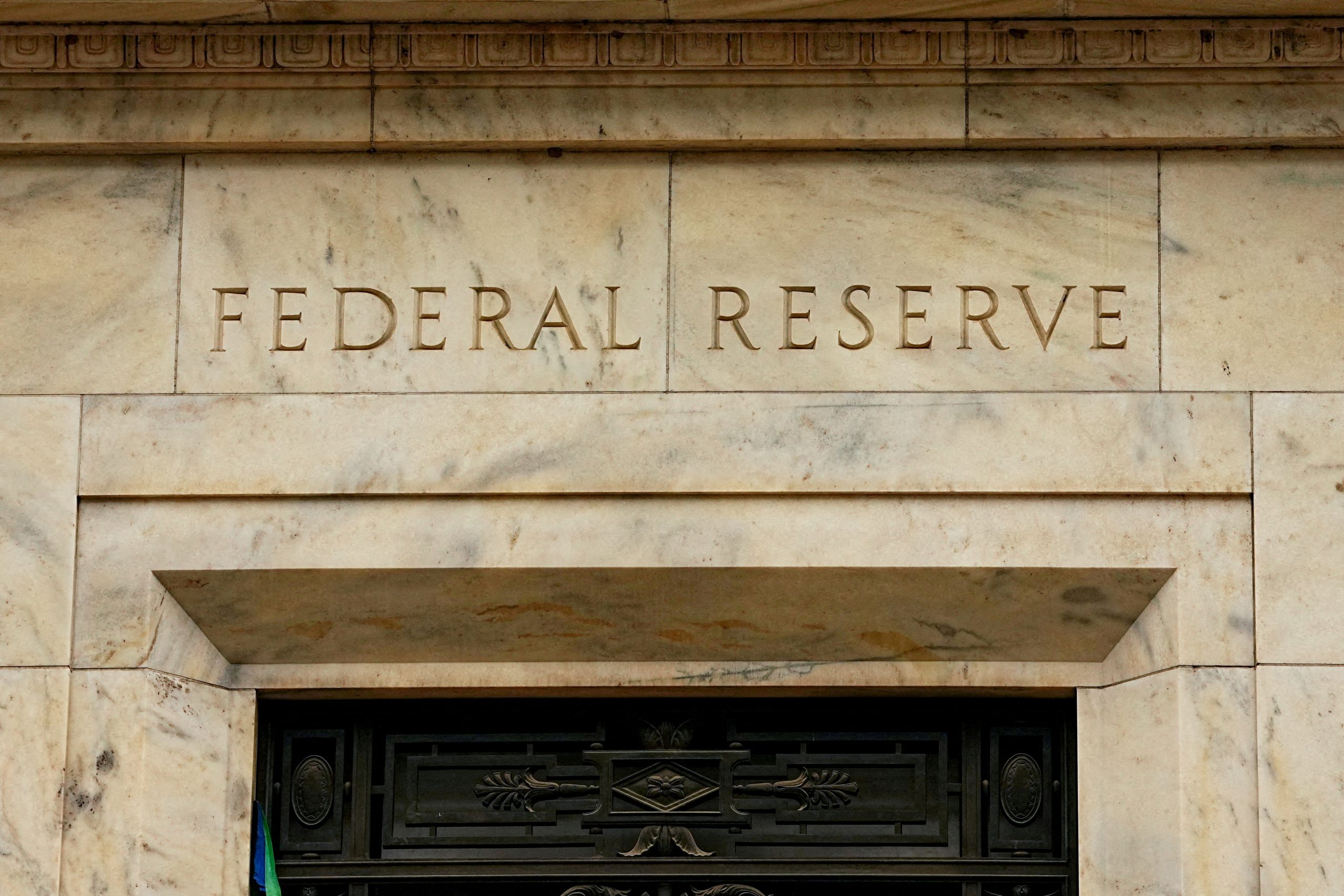
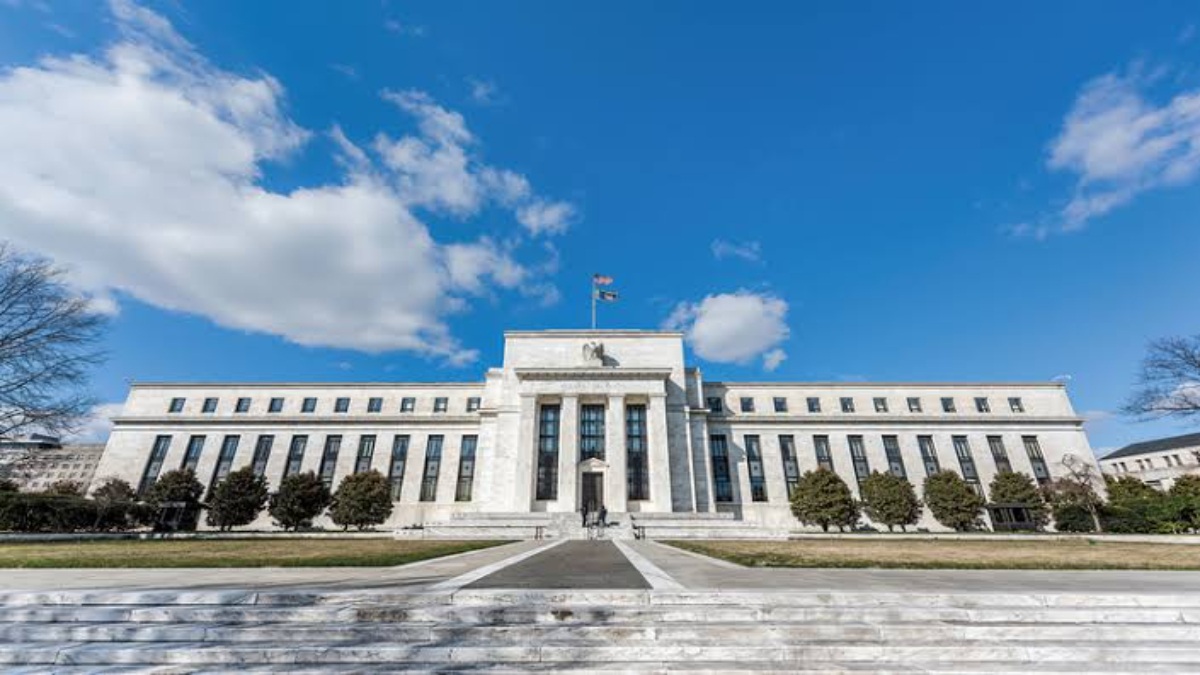
The Federal Reserve just signaled a retreat that they refuse to call a retreat. By resuming the purchase of 40 billion dollars in Treasury bills every month, the central bank is attempting to perform a delicate surgical procedure on a patient that is bleeding liquidity. While the official narrative frames this as a technical adjustment to manage the size of the balance sheet, the reality on the ground feels far more desperate. Skeptics see this as a backdoor return to quantitative easing, regardless of how many times Jerome Powell insists the era of easy money is over. This is not about growth. This is about preventing a systemic seizure in the plumbing of the global financial system.
Mike Wilson and the Valuation Trap
Morgan Stanley Chief U.S. Equity Strategist Mike Wilson has been tracking this divergence with a predatory focus. Per his latest research note circulated on Bloomberg, Wilson argues that the equity risk premium is currently at levels that defy historical logic. The market is pricing in a perfect landing while the Fed is forced to inject billions just to keep short term lending rates from spiking. Wilson points out that while the S&P 500 remains buoyant, the internal health of the market is decaying. The Fed is essentially providing a floor for valuations that the underlying earnings cannot support. This creates a dangerous feedback loop where the market relies on the central bank spigot rather than organic economic expansion.
The Mechanics of the Liquidity Gap
To understand why this matters, one must look at the repo market. This is where banks and hedge funds swap Treasuries for cash to fund daily operations. When the Fed pulls back too fast, this market dries up. The sudden resumption of T-bill purchases suggests that the ‘neutral’ level of bank reserves was much higher than the Fed’s models predicted. We are seeing a repeat of the 2019 repo spike, but this time it is masked by a much larger and more volatile debt load. The 40 billion dollars is a band-aid on a gaping wound caused by the massive issuance of government debt that the private sector is no longer willing to absorb at these yields.
A Statistical Breakdown of the December Pivot
The following table illustrates the divergence between the Fed’s public stance and the actual market data recorded over the last 48 hours. Note the sharp rise in the 2-year yield despite the injection of liquidity, suggesting that the market does not believe the Fed has inflation under control.
| Metric | November 2025 Value | December 15, 2025 Value | Change (%) |
|---|---|---|---|
| 2-Year Treasury Yield | 4.12% | 4.38% | +6.31% |
| Effective Federal Funds Rate | 5.33% | 5.33% | 0.00% |
| S&P 500 P/E Ratio (Forward) | 21.4x | 22.8x | +6.54% |
| Reverse Repo Facility Usage | $420B | $310B | -26.19% |
The Inflationary Catch 22
The Fed is trapped. If they stop buying T-bills, the repo market breaks and interest rates skyrocket, potentially triggering a credit event. If they continue, they risk reigniting the inflation that they spent the last three years trying to extinguish. According to the latest figures from Reuters, the core CPI has remained stubbornly above 3 percent, mocking the 2 percent target. This is the ‘catch’ that Mike Wilson keeps highlighting. You cannot have both a stable currency and a central bank that acts as the buyer of last resort for its own government debt. One of these pillars must eventually crumble.
Global Contagion and the Dollar Strength
This isn’t just a domestic issue. As the Fed increases its T-bill purchases, it influences the global supply of dollars. Emerging markets are watching closely because a sudden shift in Fed policy can lead to massive capital outflows. If the Fed is perceived as being ‘soft’ on inflation by resuming these purchases, the dollar could lose its status as a safe haven, leading to a spike in commodity prices. This is precisely what the latest data from the Federal Reserve’s own portal suggests. The volatility in the currency markets over the last 48 hours is a direct result of traders trying to front run this new injection of liquidity.
Watching the January Cliff
The real test arrives soon. Market participants should ignore the festive optimism of the holiday season and focus on the January 28, 2026 FOMC meeting. This is when the Fed will have to reconcile its ‘technical’ purchases with the reality of a rising deficit and persistent price pressures. Watch the SOFR (Secured Overnight Financing Rate) volatility during the first week of the new year. If the spread between SOFR and the Fed Funds Rate widens beyond 10 basis points despite the 40 billion dollar injection, it will be the clearest signal yet that the Fed has lost control of the plumbing.