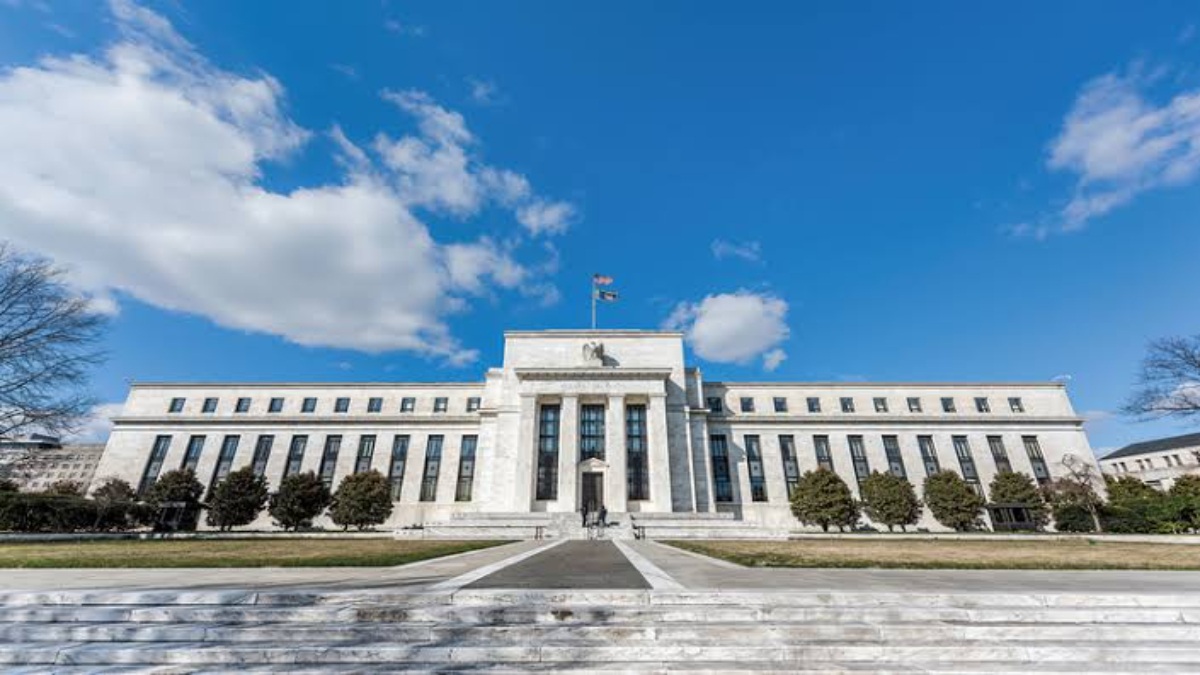
The Federal Reserve is trapped. As we sit here on December 09, 2025, the market consensus remains fixated on a 25-basis point cut for the December 17 FOMC meeting. They are missing the forest for the trees. While the front end of the curve is being forced down by Powell, the long end is staging a violent insurrection. The 10-year Treasury yield has surged to 4.62 percent this morning, even as Jerome Powell signals a more accommodative stance. This is not the ‘soft landing’ investors were promised in 2024. This is a technical decoupling of monetary policy from fiscal reality.
The Dunne Paradox and the Death of Low Real Rates
Brian Dunne of Goldman Sachs Global Banking and Markets recently warned that the ‘commentary’ would outweigh the ‘cut.’ He was right, but for the wrong reasons. The commentary is no longer about inflation targets. It is about the sheer physics of debt. According to the latest Treasury Refunding announcement, the federal deficit is requiring a volume of issuance that the private market cannot absorb at current price levels. We are seeing a fundamental shift where the ‘Term Premium’ has returned with a vengeance.
Investors spent most of 2025 betting that lower rates would automatically translate to higher equity multiples. They ignored the ‘crowding out’ effect. When the government must pay 4.5 percent plus to fund its operations, the ‘risk-free’ rate acts as a lead weight on tech valuations. We are seeing this play out in the NASDAQ 100 today, which is struggling to maintain its 20,000 level despite the anticipated easing.
Visualizing the 2025 Yield Divergence
The chart above illustrates the 2025 anomaly. As the Effective Fed Funds Rate (blue) descended throughout the year, the 10-year Treasury yield (red) began to climb in Q3. This ‘bear steepener’ is a classic signal that the bond market no longer trusts the Fed to keep inflation in check while managing the deficit. Per the Yahoo Finance bond desk, this spread is at its widest point since the 2008 financial crisis, creating a massive headwind for mortgage applications and capital expenditure.
The Technical Mechanism of the Liquidity Trap
Why isn’t the cut working? The answer lies in the plumbing. Commercial banks are facing a ‘duration mismatch’ that is far more severe than the 2023 regional banking crisis. As the Fed cuts the short-end rate, banks are forced to lower the interest they pay on deposits. However, their long-term assets, specifically the billions in low-yield MBS and Treasuries purchased in 2020 and 2021, remain underwater. The higher long-end yields mean the market value of these portfolios continues to bleed.
We are observing a ‘silent credit crunch.’ While the Fed wants to stimulate, the SEC’s recent liquidity disclosures show that Tier 1 capital requirements are forcing banks to hold more cash and lend less to the real economy. This is why small-cap stocks, represented by the Russell 2000, have significantly underperformed the S&P 500 in the last 48 hours. The cost of capital for a small business is currently higher than it was when the Fed Funds Rate was at 5.25 percent.
The 2026 Milestone to Watch
Looking ahead, the pivot to watch is not the interest rate itself, but the ‘Reverse Repo Facility’ (RRP) levels. As we approach the end of 2025, the RRP is nearing zero. This was the market’s primary liquidity buffer. Once this is exhausted, the Fed will be forced to choose between letting the repo market spike or ending its Quantitative Tightening (QT) program prematurely.
The specific data point that will define the first quarter of 2026 is the January 14 CPI release. If the ‘Services’ component of inflation remains above 3.5 percent while the RRP is empty, the Fed will have no choice but to stop cutting rates entirely, regardless of what the equity markets demand. Watch the spread between the 2-year and 10-year Treasury closely on that morning; a further steepening will signal that the ‘Bond Vigilantes’ have officially taken control of the US economy.