The Great Decoupling of 2025
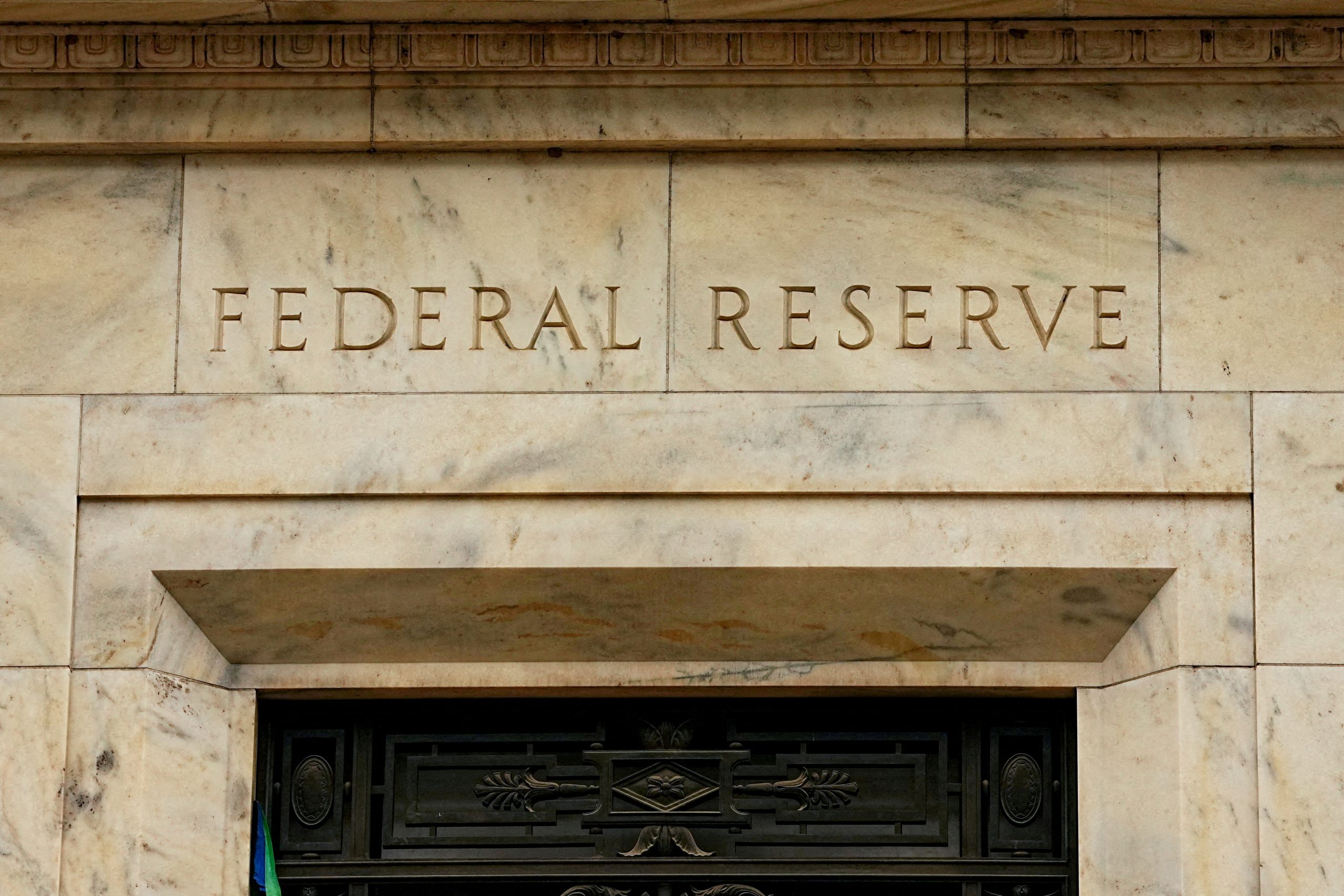
The money is hiding in plain sight. As of December 23, 2025, the U.S. financial system is a house divided. On one side, the S&P 500 sits at 6,878.49, a staggering 17.8 percent gain for the year. On the other, the Federal Reserve is locked in a internal blood feud that threatens to derail the soft landing everyone celebrated just six months ago. The December 10 FOMC meeting was not the victory lap many expected. Instead, it was a tactical retreat. Jerome Powell managed to push through a 25 basis point cut, bringing the target range to 3.50 to 3.75 percent, but the consensus is dead. The voting bloc is fractured, and the technical mechanisms of the market are flashing warning signs that the easy money era is not coming back.
The Dissenters and the Hawks
Internal divisions have moved from polite academic disagreement to open procedural warfare. Michelle Bowman remains the sentinel of the hawks. She has consistently signaled that easing policy while inflation remains at 2.7 percent is a cardinal sin. Her concern is not the present but the ghost of the 1970s. She fears that cutting too deep will allow price pressures to become a permanent feature of the service economy. Opposite her is the new wild card, Stephen Miran. In the recent December session, Miran didn’t just want a cut, he wanted a 50 basis point hammer blow. He represents a new faction that believes the Fed is already behind the curve as the labor market cools. This isn’t just a debate about numbers. It is a debate about the survival of the Fed dual mandate.
Visualizing the Dot Plot Divergence
The latest Summary of Economic Projections reveals a scattered map for 2026. While the median suggests only one more cut, the individual dots tell a story of total uncertainty. Some members are actually pricing in rate hikes if fiscal policy becomes too stimulative, while Miran is lone wolfing a projection of 2.00 percent by this time next year.
The Yield Curve Bear Steepener
The bond market is no longer waiting for the Fed to make up its mind. We are witnessing a classic bear steepener. Short term rates are anchored by the 3.5 percent floor, but long term yields are drifting higher. The 10-year Treasury yield is currently hovering near 4.18 percent, driven by a rising term premium and the reality of massive federal issuance. Investors are demanding more compensation to hold long term debt. This has pushed the 2-10 spread to approximately 70 basis points, its steepest level since late 2021. For the real economy, this means mortgage rates are stuck. Despite the Fed cuts, the 30 year fixed rate remains near 6.15 percent, as documented in recent market data trackers. The Fed is cutting, but the cost of capital for the average American is not following the script.
A Tale of Two Economies
The data from the last 48 hours confirms the split. While retail sales for the holiday season showed resilience, the manufacturing sector is gasping. The internal debate at the Fed is effectively a proxy for a larger question: Is the U.S. economy actually overheating or is it just uneven? Austan Goolsbee, the Chicago Fed President, has pointed to the cooling labor market as a reason to keep the foot on the gas. However, he is losing his vote in just eight days. The upcoming January rotation will see Goolsbee, Collins, Musalem, and Schmid replaced by a new slate of regional presidents from Cleveland, Philadelphia, Dallas, and Minneapolis. This shift is expected to tilt the committee back toward a more cautious, hawkish bias just as the 2026 fiscal cycle begins.
| Indicator | Dec 2024 Actual | Dec 2025 Estimate | 2026 Forecast |
|---|---|---|---|
| Fed Funds Rate | 4.25% – 4.50% | 3.50% – 3.75% | 3.25% (Median) |
| Core PCE Inflation | 2.6% | 2.7% | 2.4% |
| Unemployment Rate | 4.1% | 4.3% | 4.3% |
| S&P 500 Level | 5,881 | 6,878 | 7,500 (Bull Case) |
The Risk of the Three Percent Trap
The danger for 2026 is a phenomenon traders are calling the Three Percent Trap. This occurs when the Fed stops cutting at 3.5 percent because inflation refuses to dip below its 2.5 percent floor. If the Fed pauses here, the restrictive nature of real rates will continue to grind down small businesses and the housing market. Per the latest analyst surveys from Reuters, institutional desks are already hedging for a scenario where no further cuts occur in the first half of 2026. This would be a massive shock to a market that has priced in a continued slide toward a neutral rate of 3.0 percent. The leverage in the system is built on the assumption of a downward slope. If that slope turns into a plateau, the defaults in commercial real estate will accelerate.
The Next Milestone
Jerome Powell term as Chair expires on May 15, 2026. This creates a lame duck period that will begin the moment the January 29 FOMC meeting concludes. Markets are already looking past the December data and focusing on who will lead the central bank into the next decade. The immediate data point to watch is the January 9 Non-Farm Payrolls report. If that number comes in below 100,000, the current internal division at the Fed will turn into an all out revolt against the 3.5 percent floor.