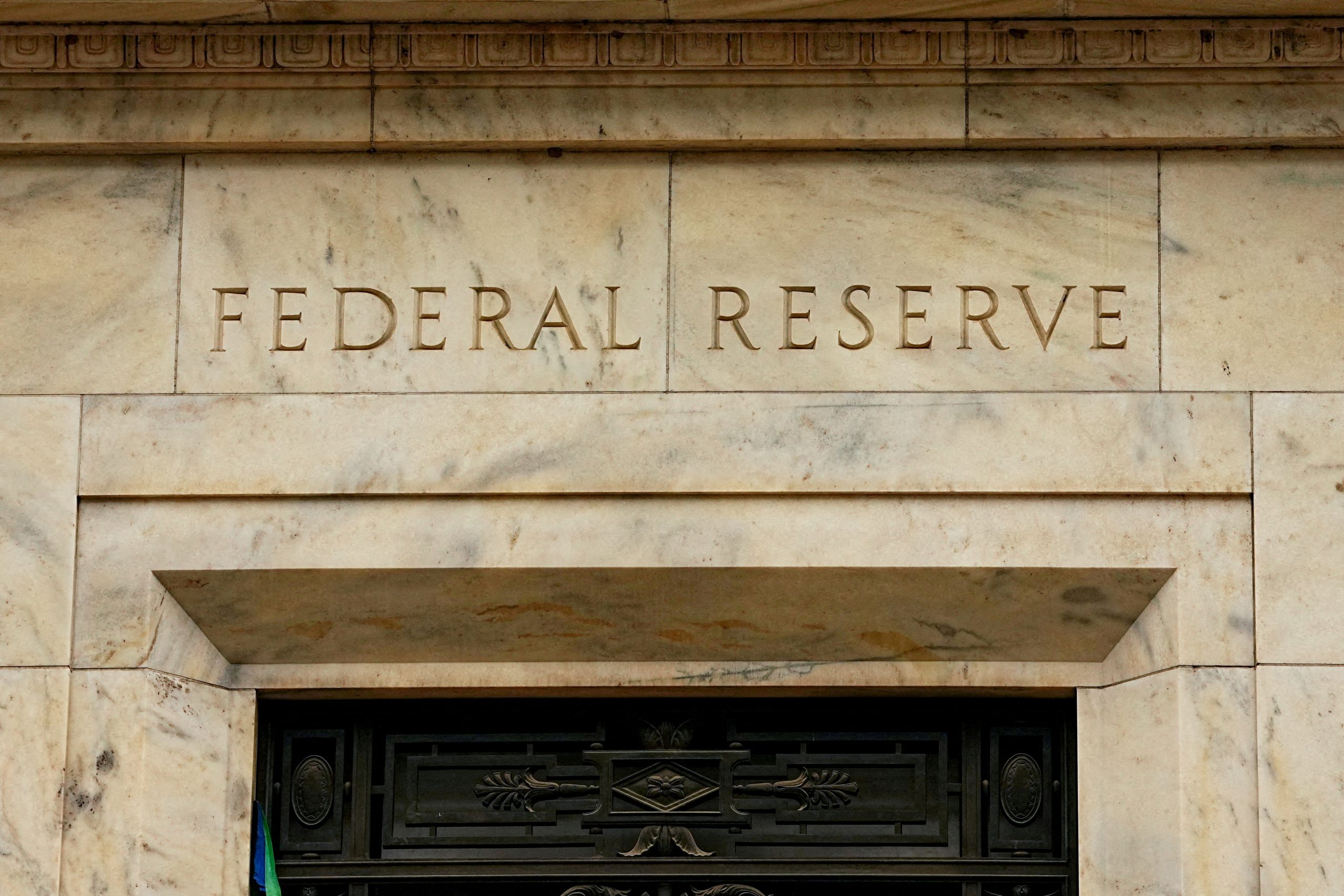
The consensus is dead. Jerome Powell just delivered a 25 basis point interest rate cut, the third of 2025, but the unity of the Federal Open Market Committee has shattered in its wake. At 2:00 PM today, December 10, 2025, the central bank lowered the federal funds rate to a range of 3.5% to 3.75%. Beneath the surface of this widely anticipated move lies a 9-3 vote, the most aggressive institutional dissent seen in the modern era. This is no longer a unified march toward a soft landing; it is a tactical civil war fought in a thick fog of missing data.
A Committee Divided by Three Paths
The dissenters are not a monolith. On one side, Kansas City Fed President Jeffrey Schmid and Chicago Fed President Austan Goolsbee voted to hold rates steady, fearing that structural inflation is becoming entrenched. On the other, newly appointed Governor Stephen Miran demanded a 50 basis point cut, arguing that the labor market is deteriorating far faster than the official, delayed statistics suggest. This three way split signals a fundamental disagreement over the very nature of the neutral rate, or R-star, in a post-shutdown economy.
Market participants are grappling with a 43 day government shutdown that only recently ended, leaving the Fed to make generational policy decisions without clean October or November data. Per the latest reports from the December FOMC meeting, Powell admitted to reporters that the committee is essentially driving through a storm with a cracked windshield. The labor market appears resilient on paper, yet internal Fed estimates suggest recent job growth figures could be revised lower by as much as 60,000 once the Bureau of Labor Statistics clears its backlog.
BlackRock and the Loss of Macro Anchors
Glenn Purves, Global Head of Macro at the BlackRock Investment Institute, has been vocal about this specific volatility. In his briefing earlier today, Purves noted that the global economy has lost its long term macro anchors. The old playbook, where bonds cushioned equity selloffs, has been rendered obsolete by the decoupling of interest rate expectations and actual price action. BlackRock’s proprietary data suggests that while the Fed is cutting, the long end of the curve is revolting. The 10 year Treasury yield held firm at 4.16% today, refusing to follow the federal funds rate lower.
This divergence is the technical mechanism of the Great Re-pricing. Investors are demanding a higher term premium because they no longer trust the Fed’s 2% inflation target as a realistic medium term goal. With fiscal spending accelerating into 2026 and tariff related price pressures looming, the market is pricing in a reality that the Fed’s dot plot refuses to acknowledge.
The Technical Trap of the Neutral Rate
Why is the 10 year yield rising while the Fed cuts? The answer lies in the shifting perception of the neutral rate. For a decade, the consensus was that a 2.5% fed funds rate was neutral. Today, that assumption is under assault. If structural factors like the AI infrastructure buildout and geopolitical fragmentation have pushed the neutral rate to 3.5%, the Fed is not cutting into accommodative territory; it is merely stopping its restrictive pressure. This is the core of the BlackRock thesis: we are entering a regime of higher structural inflation and higher baseline rates.
The table below highlights the disconnect between the Fed’s actions and the market’s pricing of risk as of December 10, 2025.
| Indicator | September 2025 Value | December 10, 2025 Value | Change |
|---|---|---|---|
| Fed Funds Rate (Upper) | 4.25% | 3.75% | -50 bps |
| 10-Year Treasury Yield | 3.85% | 4.16% | +31 bps |
| Core PCE Inflation | 3.0% | 2.9% (Projected) | -0.1% |
| Unemployment Rate | 4.3% | 4.5% | +0.2% |
Investors must look past the immediate relief of cheaper borrowing. The real risk is the Dot Plot, which now suggests only a single 25 basis point cut for the entirety of 2026. This is a massive pivot from the four cuts markets were pricing in just ninety days ago. The Fed is signaling a pause, even as the labor market shows signs of a non-linear breakdown. As noted in real-time bond market analysis, the inversion of the yield curve is flattening not because short rates are falling fast, but because long rates are surging in anticipation of a fiscal blowout.
Navigating the Data Void
The technical mechanism of this current market stress is the data void. Without a clean November CPI print, which is delayed until late December, the FOMC is making decisions based on sentiment and anecdotal evidence from the Beige Book. This lack of transparency has created a vacuum for volatility. For institutional desks, the strategy has shifted from passive index tracking to aggressive duration management. If the Fed pauses in January while the labor market continues its quiet bleed, the risk of a policy error becomes the primary macro driver.
As we move toward the turn of the year, the focus shifts to the January 28, 2026 meeting. Watch the 2 year Treasury yield; if it breaks above 4.30%, it will signal that the market has completely decoupled from the Fed’s dovish rhetoric. The milestone to monitor is the first full post-shutdown employment report, which will determine if Miran’s call for a 50 basis point cut was a warning or an overreaction.