The Policy Pivot Remains a Mirage
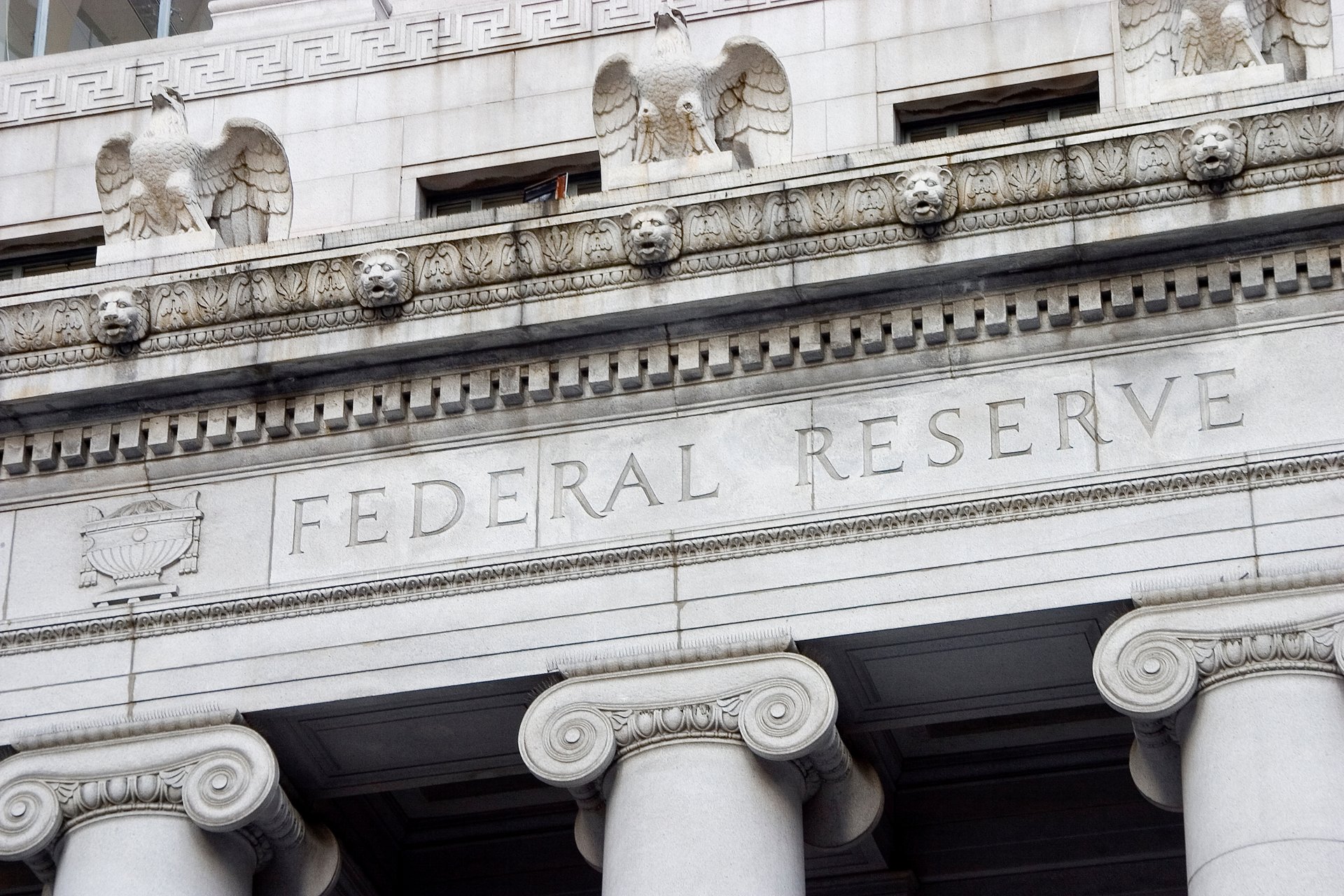
The minutes arrived. The market recoiled. The Federal Reserve remains paralyzed by its own mandate. Freshly released records from the latest FOMC gathering suggest a central bank deeply divided over the trajectory of interest rates. While the public narrative suggests a soft landing, the internal dialogue reveals a profound anxiety regarding sticky service-sector inflation. This is not the dovish pivot the equity markets priced in during the January rally. It is a calculated hesitation.
The central bank is trapped between a resilient labor market and the specter of a second inflationary wave. According to the latest FOMC minutes, several participants expressed concern that easing financial conditions could inadvertently reignite consumer spending. This fear is grounded in the reality of the wealth effect. High asset prices are counteracting the restrictive pressure of a 5 percent funds rate. The Fed is fighting its own success.
The Core PCE Trap and the Dollar Dominance
Inflation is not dead. It is merely hibernating in the services sector. The upcoming release of the Core Personal Consumption Expenditures (PCE) price index is the next critical hurdle for global markets. Unlike the Consumer Price Index, which is heavily weighted toward housing and energy, the PCE reflects actual consumer behavior shifts. It is the Fed’s preferred gauge for a reason. It captures the ‘super-core’ inflation that remains stubbornly high due to wage growth in the healthcare and education sectors.
The U.S. Dollar Index (DXY) has responded with predictable aggression. As rate cut expectations for the first half of the year evaporate, the dollar has reclaimed its status as the world’s primary yield play. This strength is crushing emerging market currencies and putting immense pressure on the Euro. Per analysis from Bloomberg Markets, the dollar’s resurgence is a direct consequence of the widening yield differential between the U.S. and its G7 peers. If the Fed stays higher for longer, the greenback will continue to drain liquidity from the global periphery.
Gold Resilience in a High Yield Environment
Gold should be falling. It is not. Traditionally, rising real yields are the kryptonite of non-yielding assets. However, bullion is currently trading in a vacuum of geopolitical risk and central bank accumulation. Sovereigns are diversifying away from dollar-denominated reserves at a record pace. This ‘de-dollarization’ bid is providing a floor for gold prices that traditional econometric models cannot explain. The technical setup suggests a massive accumulation phase despite the headwinds from a hawkish Fed.
Visualizing the Shift in Market Expectations
The following chart illustrates the dramatic shift in market-implied probabilities for the March 2026 FOMC meeting. The consensus has shifted from a guaranteed cut to a dominant ‘hold’ stance in less than forty-eight hours.
Market Probability for March FOMC Action
The GDP Mirage and Productivity Gaps
U.S. GDP figures are expected to show continued growth, but the quality of that growth is questionable. Much of the recent expansion is driven by government deficit spending rather than private sector capital investment. This creates a productivity gap. When the government spends, it adds to the GDP headline but does not necessarily improve the long-term efficiency of the economy. The Fed knows this. They are watching the ‘output gap’ closely to see if the economy is actually overheating or just being artificially inflated by fiscal stimulus.
The table below summarizes the divergence between the Fed’s projected targets and the current market reality as of mid-February.
| Indicator | Fed Target (Q1) | Current Market Reality | Variance |
|---|---|---|---|
| Core PCE Inflation | 2.4% | 2.9% | +0.5% |
| GDP Growth | 1.8% | 2.6% | +0.8% |
| Unemployment Rate | 4.1% | 3.8% | -0.3% |
| Fed Funds Rate | 4.75% | 5.25% | +0.50% |
The Technical Mechanism of the Dollar Squeeze
The dollar squeeze is a mechanical reality of global debt. Most international trade and debt obligations are denominated in USD. When the Fed signals a delay in rate cuts, the cost of servicing this debt rises instantly. Banks tighten lending standards. Liquidity dries up. This creates a feedback loop where the dollar rises because it is scarce, and it becomes scarcer because it is rising. Investors should monitor the CME FedWatch Tool for any sudden spikes in ‘hold’ probabilities, as these precede the most violent moves in the FX space.
Forward-looking traders are now shifting their focus toward the February 27 Core PCE print. This single data point will either validate the Fed’s hawkish caution or expose a widening gap between policy and economic reality. If the print exceeds 2.9 percent on an annualized basis, expect the 10-year Treasury yield to breach the 4.5 percent psychological barrier, effectively ending the 2026 spring equity rally before it begins.