The Friday selloff was a warning
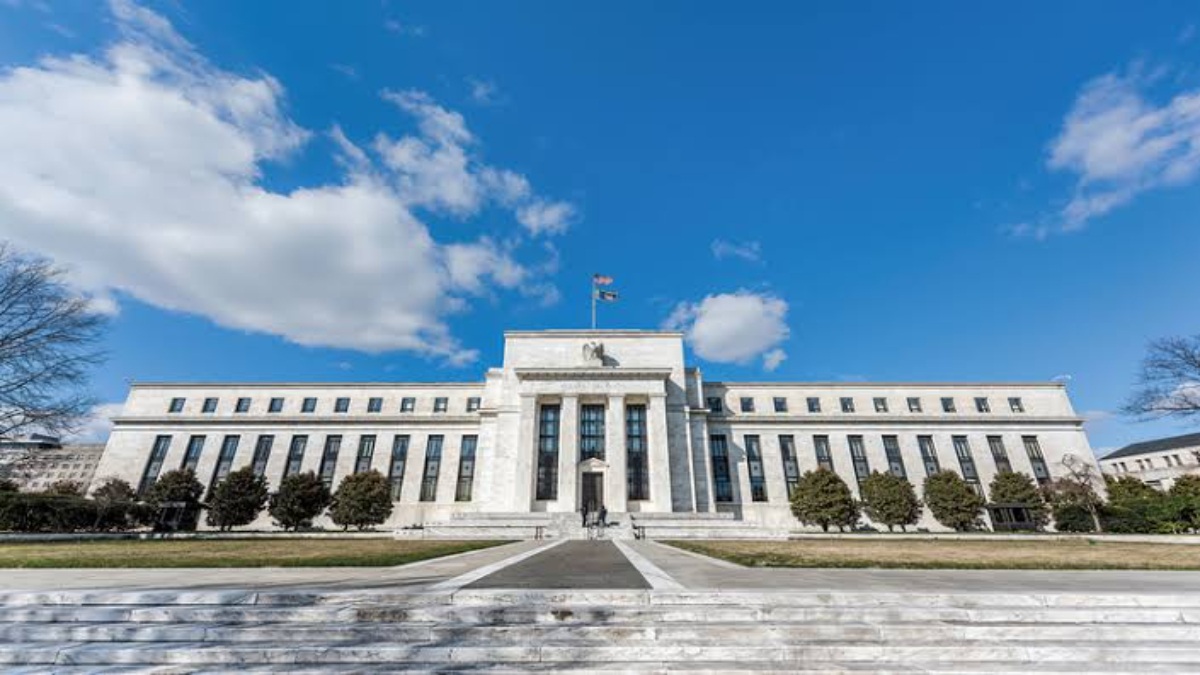
As the closing bell rang on Friday, December 5, 2025, the market felt the weight of its own expectations. NVIDIA (NVDA) shares dipped to $182.41, a minor retreat that masked a growing anxiety among institutional desks. Despite the Federal Reserve recently lowering the benchmark rate to a range of 3.5% to 3.75%, the three dissenting votes on the FOMC have telegraphed a terrifying message: the labor market is cooling faster than the AI hype can generate new jobs. The recent Fed minutes suggest a central bank at war with itself, torn between fighting stubborn tariff-driven inflation and preventing a structural unemployment spike.
The MarketWatch 10 are priced for a perfection that does not exist
MarketWatch recently circulated a list of ten AI stocks ostensibly poised for a breakout. On the surface, names like Micron (MU), Marvell (MRVL), and Palantir (PLTR) look like winners. Dig deeper and the math turns ugly. Palantir is currently trading at a forward price-to-earnings ratio exceeding 150, while the broader S&P 500 sits at 22. This is not just a premium; it is a hallucination. Per recent analyst notes, the “catch” is that 70% of the growth in these companies is driven by circular financing. Big Tech spends billions on chips, and the chipmakers spend those profits on cloud services from Big Tech. It is a closed loop that creates no external economic value. When the loop breaks, the floor will be a long way down.
The energy wall is the ultimate bottleneck
Hyper-scalers like Microsoft and Google are projected to incinerate $440 billion in capital expenditures in 2026. There is a physical limit to this madness. In Northern Virginia’s “Data Center Alley,” local transmission operators have already warned that the grid cannot sustain any more load. We are seeing a historic mismatch between the digital promise of AI and the physical reality of copper and turbines. Solar plays like First Solar (FSLR) and Enphase (ENPH) were supposed to solve this, but they are currently mired in supply chain delays and a cooling offtake market as the cost of capital remains high despite the Fed’s recent cuts.
Visualizing the ROI Gap
The looming threat of agentic disappointment
The industry is currently pivoting to “Agentic AI” as the next savior. The promise is that AI will finally move from answering questions to performing tasks. However, early data from the third-quarter earnings cycle suggests that the error rates for complex autonomous workflows remain too high for enterprise-grade adoption. Companies are paying for seats they are not using. According to recent 10-Q filings from mid-cap software firms, the churn rate for AI-integrated tools is nearly double that of traditional SaaS products. Investors are being sold a revolution, but they are buying a liability.
The 2026 cliff
The next major milestone is January 15, 2026. This is the date when the first batch of mandatory reporting under the new SEC climate and energy transparency rules takes effect. For the first time, tech giants will have to disclose the exact carbon and power cost of their model training. When the market sees the true operational overhead required to maintain these LLMs, the “efficiency” narrative will evaporate. Watch the 10-year Treasury yield. If it stays above 4% as we enter the new year, the high-multiple AI stocks on the MarketWatch list will be the first to be liquidated to cover margin calls in a thinning labor market.