The Great Small Cap Delusion
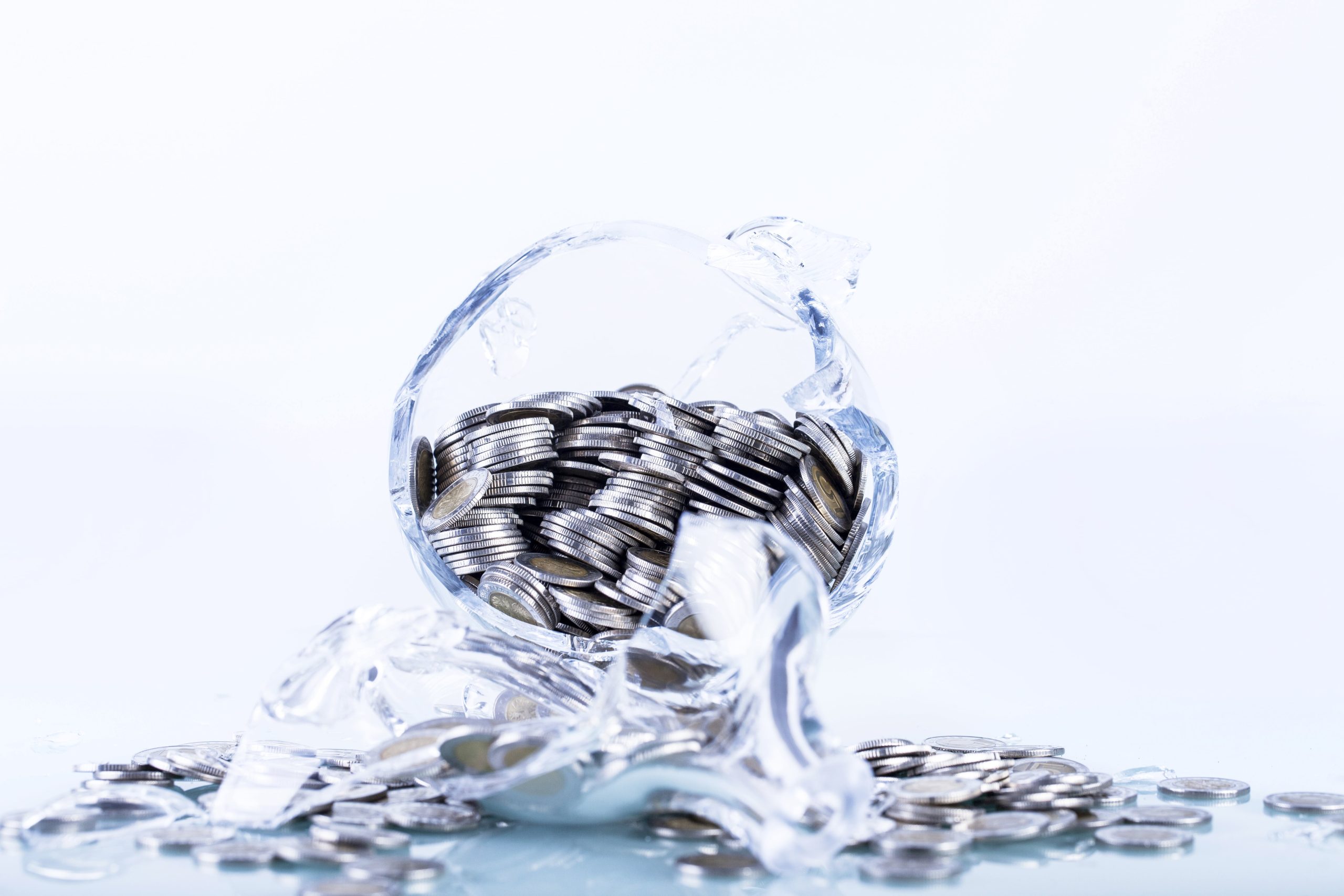
Wall Street is selling a lie. For the last six months, analysts have shouted about a small-cap rotation from the rooftops. They promised that when the Federal Reserve finally pivoted, the Russell 2000 would skyrocket. It did not happen. Yesterday, October 14, 2025, the $IWM closed at 2,114.20, a sharp 3.2 percent drop following a hotter than expected CPI print that effectively killed any hope of a November rate cut. The reality is grimmer than the brochures suggest. Small cap stocks are not just underperforming, they are suffocating under a mountain of floating-rate debt that was supposed to be refinanced months ago.
The Interest Rate Death Trap
The cost of capital is a predator. According to the latest Bloomberg bond market data, the yield on the 10-Year Treasury spiked to 4.82 percent this morning. This is a death sentence for the nearly 40 percent of Russell 2000 companies that currently report negative earnings. These are the zombie companies. They do not innovate. They do not grow. They simply exist to service interest payments. When the Fed held rates steady last month, the clock started ticking faster for firms like Upstart Holdings ($UPST) and Asana ($ASAN), which remain hyper-sensitive to the credit tightening cycle that refuses to end.
The Liquidity Mirage in Biotech and Fintech
Retail investors are being lured into biotech ‘moonshots’ that lack fuel. Look at the $XBI. It is a graveyard of broken clinical trials and secondary offerings. When a small-cap biotech firm like Ginkgo Bioworks ($DNA) or similar speculative plays announce a ‘strategic partnership,’ it is often a desperate play for cash to avoid a Chapter 11 filing. The same pattern is visible in the fintech sector. As consumer credit defaults hit a ten-year high this October, the platforms that facilitate subprime lending are seeing their margins evaporate. The SEC filings for these entities reveal a common thread: an inability to secure warehouse funding at rates that allow for a profitable spread.
Fundamental Decay vs Technical Hype
Price action tells the story. While the S&P 500 ($SPY) hovers near all-time highs driven by five or six mega-cap AI beneficiaries, the median stock in the Russell 2000 is down 12 percent year-to-date. This divergence is the widest we have seen in decades. It is not a buying opportunity. It is a warning. Small caps are more sensitive to the domestic economy. They do not have the global hedge of a Microsoft or an Apple. If the American consumer stops spending, the small-cap retailer dies first. We are seeing this now in the retail sector, where inventory gluts are forcing fire sales that destroy bottom-line growth.
| Ticker | Sector | Debt-to-Equity Ratio (Oct 2025) | YTD Performance |
|---|---|---|---|
| $IWM | Index | 1.45 | -12.4% |
| $KRE | Regional Banking | 2.10 | -18.2% |
| $UPST | Fintech | 3.85 | -24.5% |
| $CLSK | Crypto Mining | 0.95 | +5.4% |
The Regional Bank Connection
You cannot talk about small caps without talking about regional banks. The $KRE index is currently a mess. Small businesses rely on these banks for lines of credit. However, regional banks are currently clutching their remaining deposits with white knuckles, terrified of the commercial real estate (CRE) maturities hitting in early 2026. This credit freeze is the silent killer of the small-cap ecosystem. If a business cannot get a bridge loan to cover a seasonal shortfall, it does not matter how ‘innovative’ their product is. They go dark.
Watching the 2026 Debt Wall
The next major data point to watch is the January 2026 corporate debt maturity schedule. Over 300 billion dollars in small-cap debt is scheduled to reset in the first quarter of next year. If the 10-Year Treasury remains above 4.5 percent, the refinancing costs will wipe out the projected earnings for a significant portion of the Russell 2000. Keep a close eye on the January 15, 2026, Fed meeting minutes for any sign of a liquidity facility designed to bail out these mid-tier lenders. Without it, the small-cap rotation will remain a fantasy for the bag-holders.