The Concentration of Power in an Era of Monetary Friction
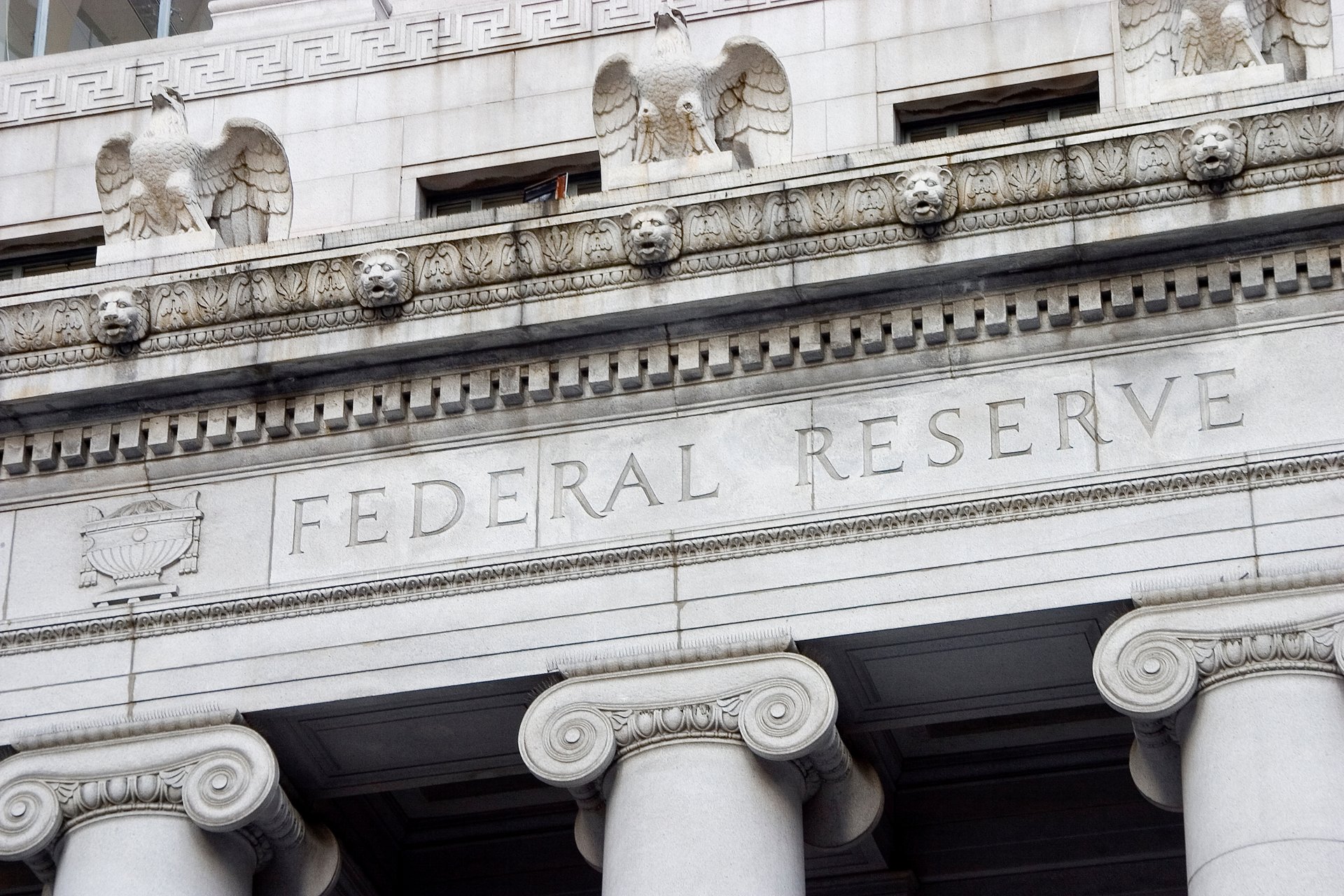
On December 10, the Federal Reserve delivered its third consecutive interest rate cut, lowering the benchmark range to 3.5%–3.75%. Yet, the decision was far from unanimous. With three board members dissenting, the fractured consensus in Washington contrasts sharply with the consolidated economic influence of the world’s most powerful women. This week’s release of the 22nd annual Forbes list of the World’s 100 Most Powerful Women reveals a staggering reality: a collective $37 trillion in economic power is now under the direct or indirect stewardship of these leaders. In a global economy characterized by sticky inflation and the “casino-like” volatility of AI speculation, this concentration of capital is no longer a human interest story. It is a macro-economic imperative.
The institutional shift toward female leadership in 2025 is driven by more than social equity. It is fueled by capital efficiency. Data from the Bloomberg Women Capital 2025 report indicates that gender-diverse boards in developed markets have outperformed their peers by a cumulative spread of 15% over the last five years. As the S&P 500 nears a year-end gain of roughly 16.4%, the performance of female-led firms—notably in the financial and technology sectors—is providing the structural alpha that passive index funds have struggled to replicate in a high-rate environment.
The Architect of the Yen Unwind
Nowhere is this influence more visible than in Tokyo. Just 48 hours ago, the Bank of Japan, under the political shadow of Prime Minister Sanae Takaichi—the first woman to lead the nation—raised its short-term interest rate to 0.75%. This is the highest level since 1995. The move, as reported by Reuters, has triggered a massive yen carry trade unwind, forcing global hedge funds to liquidate high-yield foreign assets to cover their yen-denominated debts. Takaichi’s presence at number three on the 2025 Forbes list is a recognition that the “Japan Discount” is ending, replaced by a hawk-like focus on domestic wage growth and price stability.
This pivot marks a departure from the ultra-loose monetary policy of the previous decade. While the Fed debates its terminal rate, Takaichi and ECB President Christine Lagarde (ranking second on the list) are orchestrating a coordinated return to monetary sanity. Lagarde’s stewardship of the Eurozone has been particularly notable this year, managing to stave off a deep recession in Germany while navigating the geopolitical shocks of the ongoing energy transition. The market is no longer pricing in “female leadership” as a diversity metric; it is pricing it as a risk-management strategy.
The AI Guardrail and Capital Allocation
In the technology sector, the narrative of 2025 has been dominated by the “AI Casino.” While market capitalizations for semiconductor firms surged, questions about the long-term monetization of Large Language Models (LLMs) have persisted. Here, leaders like Lisa Su (CEO of AMD) and Sarah Friar (CFO of OpenAI) have emerged as the pragmatic counterweights to the industry’s hype-cycle. Su has successfully positioned AMD as the primary alternative to Nvidia’s dominance, focusing on capital efficiency and supply chain resilience rather than just raw compute power.
The fiscal discipline shown by these executives is reflected in their balance sheets. As noted in the December FOMC statement, the labor market has begun to show signs of cooling, with the unemployment rate edging toward 4.6%. In this environment, the ability to manage “positive operating leverage”—increasing revenue faster than expenses—has become the primary differentiator for institutional investors. Female-led corporations in the Fortune 500 reported an average ROE of 223% over the last decade, nearly double the 130% seen in male-led counterparts. This isn’t just a statistical anomaly; it is the result of a leadership style that prioritizes data-driven sustainability over short-term quarterly beats.
Key Leadership Metrics in the 2025 Global Economy
| Leader | Role | Primary Impact (2025) | Rank |
|---|---|---|---|
| Ursula von der Leyen | President, European Commission | Managed EU-wide energy pivot & defense spending surge. | 1 |
| Christine Lagarde | President, European Central Bank | Stabilized Eurozone inflation amid fiscal divergence. | 2 |
| Sanae Takaichi | Prime Minister, Japan | Ended decades of negative rates; triggered Yen carry trade unwind. | 3 |
| Lisa Su | CEO, AMD | Gained 8% market share in AI data centers from competitors. | 10 |
| Jane Fraser | CEO, Citigroup | Completed the most aggressive banking reorganization in 20 years. | 8 |
The Myth of the Glass Ceiling vs. The Reality of the Capital Gap
Despite the dominance of the Forbes 100 at the institutional level, the venture capital ecosystem remains a stubborn outlier. As of December 2025, female-only founding teams secured just 2.3% of total venture capital allocated globally. This “capital gap” represents a significant mispricing of risk. While institutional public markets are rewarding the efficiency of female stewardship, the private equity and seed-stage markets are lagging behind, potentially missing out on the next generation of high-ROE firms.
The rise of newcomers like Kim Kardashian—whose company SKIMS reached a $5 billion valuation this year—signals a shift in how brand equity is monetized. It is no longer about simple celebrity endorsements; it is about the integration of supply chain logistics, direct-to-consumer data, and massive social reach. This “Creator Economy” is now a $250 billion industry, and it is almost entirely pioneered by women who have bypassed traditional venture gates to build businesses on their own terms.
As we approach the final trading days of 2025, the market’s focus is shifting toward the January jobs report and the potential for a fourth Fed rate cut. However, the more critical data point for the long-term investor is the accelerating transfer of AUM toward leaders who have proven they can generate yield without the crutch of zero-interest-rate policy. The $37 trillion controlled by the women on the Forbes list is not just a figure; it is the floor of the next economic cycle. Watch for the 10-year Treasury yield to respond to Japan’s rate normalization on January 15, as Takaichi’s policy begins to tighten the global liquidity spigot even further.