The 13.5 Trillion Ruble Reality
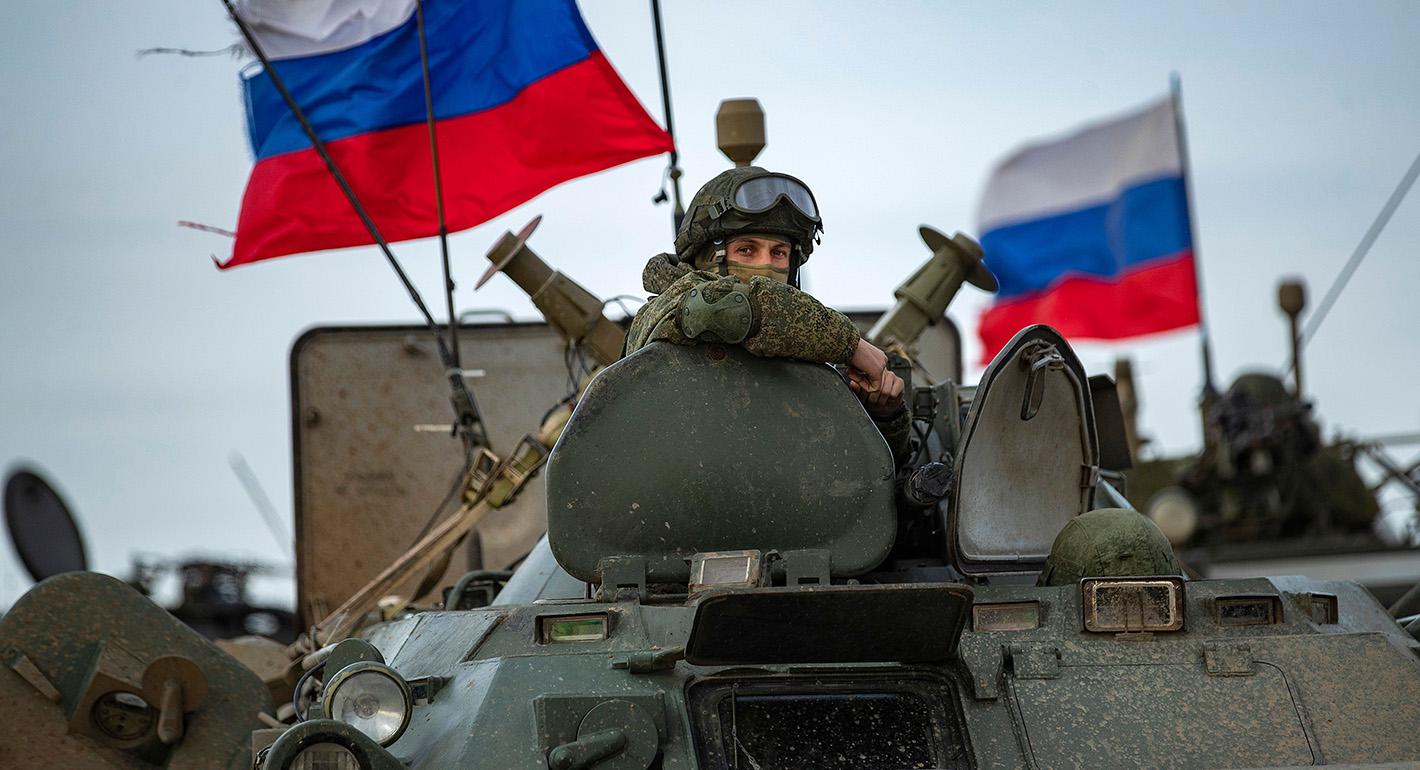
Peace dividends are bankrupt. On December 2, 2025, the Kremlin finalized its three-year budget plan, allocating a staggering 13.5 trillion rubles to national defense for the upcoming year. This represents approximately 6.3 percent of Russia’s GDP, a level of militarization unseen since the height of the Cold War. For investors, the takeaway is stark: the Russian economy has fully transitioned into a permanent war footing. This is not a temporary surge but a structural realignment of the Eurasian landscape that demands a complete reassessment of European risk premiums.
The previous assumption that economic sanctions would trigger a collapse of the Russian military machine has proven naive. Instead, we are witnessing a “Military Keynesianism” where massive state spending on arms production is artificially propping up GDP while cannibalizing the civilian sector. Per the latest Bloomberg intelligence reports from early December, Russian industrial output in the defense sector grew by 21 percent year-over-year, while labor shortages in the private sector reached a critical deficit of 4.8 million workers. This imbalance is the primary driver of the 8.4 percent inflation currently gripping the Russian domestic market.
The Great Decoupling of 2025
European markets are no longer reacting to every headline from the Donbas with the volatility seen in 2022. We have entered the era of the Great Decoupling. While Russia pours resources into attrition, Europe is finally moving beyond the reactive phase of energy procurement. As of December 3, 2025, EU gas storage levels sit at 91.2 percent capacity. However, the cost of this security is high. The transition from cheap Russian pipeline gas to expensive global LNG has permanently raised the floor for European industrial electricity prices.
EU-27 Defense Spending vs. Energy Transition Investment (Billions EUR)
The visualization above highlights a critical convergence. Defense spending is rapidly catching up to energy transition investments. This is the “Dual-Track Reality” of 2025. Governments are no longer choosing between green energy and national security; they are forced to fund both simultaneously, leading to a massive expansion of sovereign debt. According to Reuters, the average debt-to-GDP ratio across the Eurozone has ticked up to 90.4 percent as of Q4 2025, primarily driven by these dual imperatives.
Steel Beats Wind in the Short Term
For the “Alpha” seeking investor, the story of 2025 is the divergent performance of defense primes versus renewable utilities. While the original 2024 thesis suggested that Ørsted and Iberdrola would be the primary beneficiaries of the pivot away from Russian gas, the reality of high interest rates and supply chain bottlenecks has capped their upside. Ørsted, in particular, spent much of late 2025 restructuring its US offshore portfolio after another round of write-downs in October.
Conversely, defense firms like Rheinmetall and BAE Systems are operating with record-breaking order backlogs that extend into the 2030s. The shift from “just-in-time” to “just-in-case” manufacturing has turned these companies into quasi-utilities with guaranteed government cash flows. As of the market close on December 3, 2025, Rheinmetall (RHM.DE) is trading at a forward P/E ratio that reflects its new status as a cornerstone of European industrial policy.
| Company | Sector | YTD Return (Dec 03, 2025) | Order Backlog Growth |
|---|---|---|---|
| Rheinmetall AG | Defense | +42.5% | €48.2B (+18%) |
| BAE Systems | Aerospace/Defense | +29.1% | £74.1B (+12%) |
| Iberdrola SA | Renewable Energy | +4.2% | N/A (Grid Focus) |
| Ørsted A/S | Wind Energy | -11.8% | -€2.1B (Impairments) |
The Shadow Fleet and Sanction Leakage
The technical mechanism of Russia’s economic resilience lies in its “Shadow Fleet.” Throughout 2025, an estimated 650 tankers have operated outside the G7 price cap, facilitating the flow of Urals crude to ports in India and China. This leakage has rendered the $60 price cap a historical relic. Data from Yahoo Finance shows that Urals crude averaged $71.40 per barrel in November 2025, providing the Kremlin with the hard currency necessary to sustain its technological imports via third-party intermediaries in Central Asia.
This is the “Sanction Leakage” that European policymakers are now scrambling to plug. The 15th sanctions package, currently under debate in Brussels, focuses not on new commodities but on the secondary entities facilitating these transactions. For investors, this means increased KYC (Know Your Customer) costs and a heightened risk of secondary sanctions for any firm involved in global logistics or maritime insurance.
The next major milestone occurs in February 2026, when the EU’s new Defense Industrial Strategy (EDIS) enters its first full implementation phase. Watch for the initial allocation of the €1.5 billion European Defense Industry Programme (EDIP) fund; it will signal which specific sub-sectors—likely drone swarms and hypersonic defense—will receive the lion’s share of sovereign backing for the next decade.