Flying Blind into the 2026 Macro Horizon
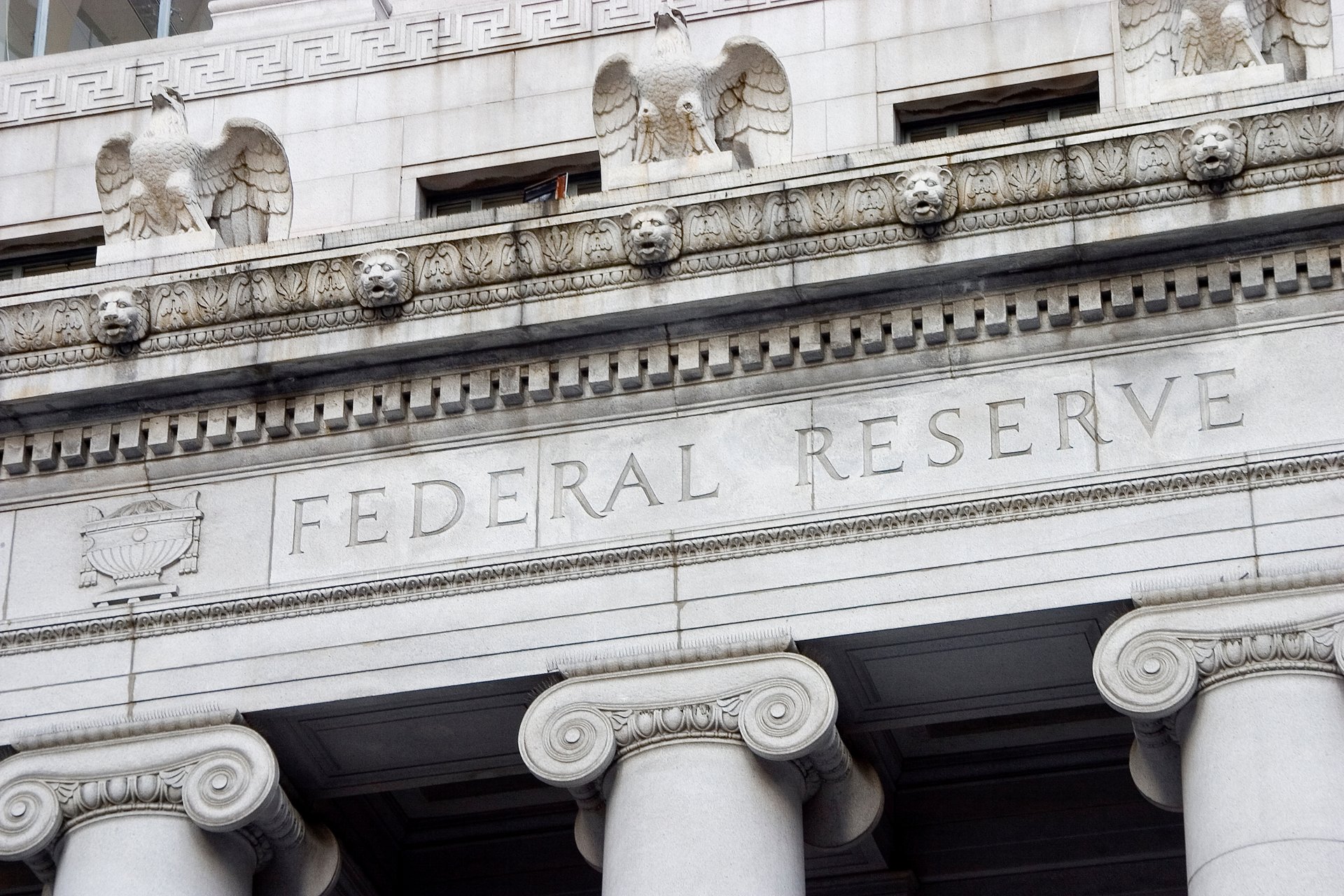
The money is moving. I see the cracks forming beneath the glossy surface of record-breaking earnings reports. For the past forty eight hours, I have been combing through the wreckage of a volatile trading week that saw the S&P 500 break below its 50 day moving average for the first time in months. While the mainstream press celebrates another blowout quarter from the semiconductor titans, a much more dangerous narrative is unfolding in the shadows of the Federal building. We are currently flying blind. Because of the recent federal government shutdown, the Bureau of Labor Statistics was unable to collect price surveys for October. This has created a massive data vacuum at the exact moment the Federal Reserve needs clarity most. Without an official CPI reading for October, Chair Jerome Powell is essentially navigating a supertanker through a fog bank using a broken compass.
The Nvidia Paradox and the Gut Check Phase
Revenue of $57 billion is a number that should stop the heart of any bear. On Wednesday, per Nvidia’s record Q3 earnings report, we saw a company that effectively owns the infrastructure of the future. But look closer at the tape. The stock did not moon. It stalled. It even pulled back. This is what I call the Gut Check Phase of the AI revolution. The market is no longer satisfied with hardware sales alone. It is demanding proof of secondary revenue realization from the companies buying these chips. When you follow the money from the hyperscalers to the enterprise software firms, the trail goes cold. We are seeing a massive front loading of capital expenditure (Capex) that has yet to translate into a proportional bump in corporate productivity. This creates a margin squeeze that could become a chokehold by early next year.
The Looming Debt Wall of 2026
The risk reward profile of the current market is tilting toward a dangerous extreme. While Morgan Stanley projects a baseline of 3.2% growth for 2026, they are banking on a soft landing that assumes the Fed can perfectly time its rate cuts. But due to the October data lapse at the Bureau of Labor Statistics, the Fed is operating on stale September data and anecdotal evidence. I’ve been tracking the corporate bond market, and the signal there is far less optimistic. We are approaching a massive maturity wall in 2026 where mid cap firms will be forced to refinance debt taken on during the zero interest rate era. If the Fed pauses its cutting cycle because they misread the current inflation trend, we are looking at a wave of technical defaults that no amount of AI productivity can fix. The table below outlines the divergence between the current market sentiment and the underlying macro reality I’m seeing on the ground.
The Macro Divergence of November 2025
| Metric | Mainstream Narrative | The Investigative Reality |
|---|---|---|
| Fed Funds Rate | 3.75% to 4.00% (Neutral) | Restrictive for Small/Mid Caps |
| Inflation (CPI) | “Moderating” at 2.7% | Unknown due to BLS Blackout |
| AI Spending | Exponential Growth | Infrastructure plateauing by Q1 2026 |
| Consumer Health | Resilient Spending | Credit delinquency rising in Tier 2 cities |
The Neutral Policy Myth
On Friday, New York Fed President John Williams suggested that a December rate cut is still on the table. The markets cheered. I remained skeptical. The Fed is desperately trying to reach a neutral policy rate, but they are doing so while the fiscal taps are being tightened. We are seeing a collision between monetary easing and a sudden contraction in government spending after the shutdown. This is not a recipe for moderate growth. It is a recipe for a liquidity trap. If you are a trader, you need to watch the 10 year Treasury yield. It closed Friday at 4.19%. That yield is screaming that the bond market doesn’t buy the disinflation story. It is pricing in a 2026 where inflation remains sticky despite the Fed’s best efforts. The real story isn’t the growth. It is the cost of that growth.
The next critical milestone is the December 10 FOMC meeting. This will be the first time we see the Fed’s new Summary of Economic Projections since the data blackout began. I am watching the 3.5% terminal rate projection closely. If that number moves higher, the 2026 bull case from the major investment banks will evaporate overnight. Keep your eyes on the December 18 CPI release. That will be the first double month report in years, and it is likely to contain an inflationary surprise that the market has completely failed to price in.