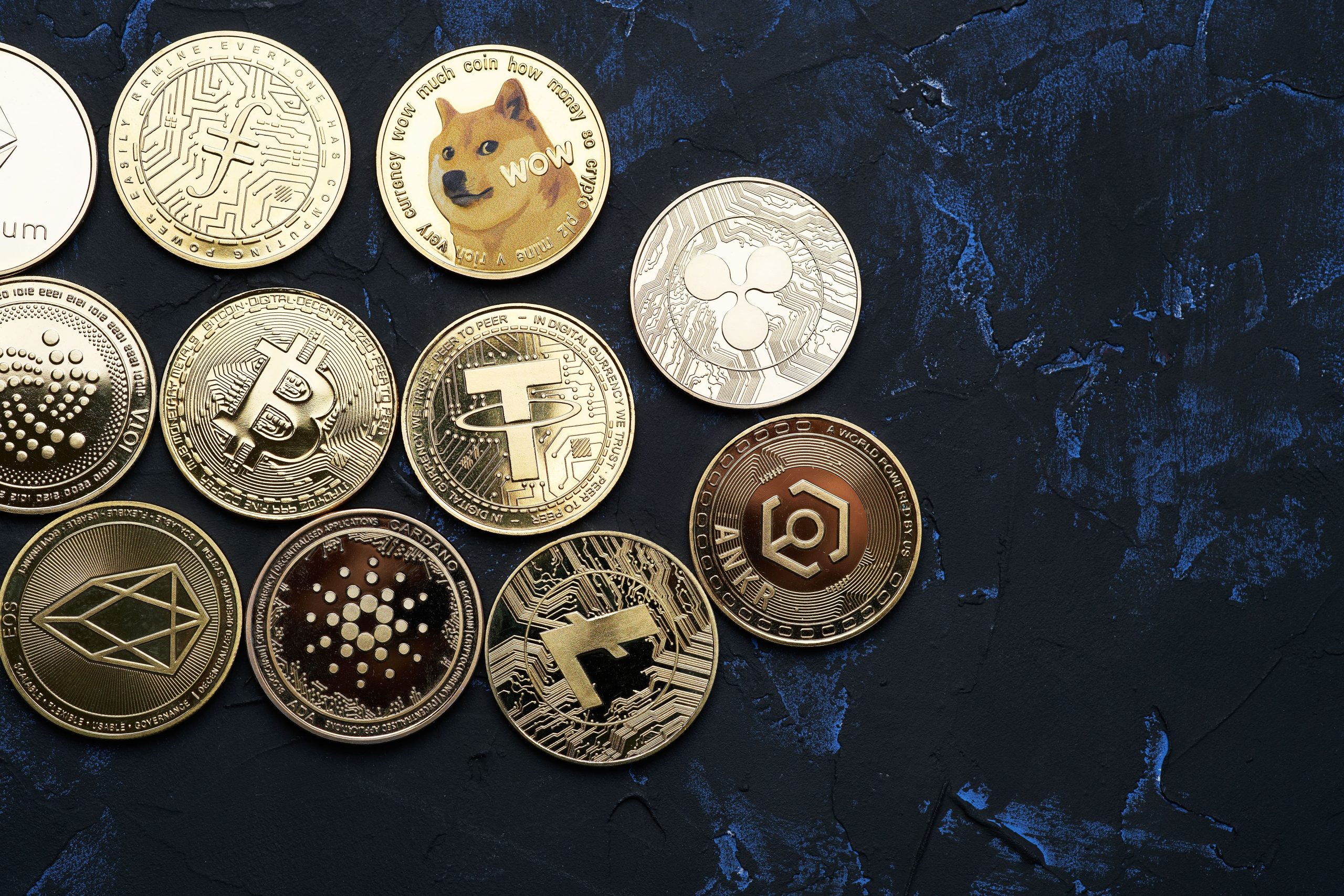
The Capital Tsunami of October 2025
Follow the money. It is the only rule that matters in a market currently defying every historical gravity well. This morning, October 15, 2025, the order books for Bitcoin (BTC) on Coinbase Institutional showed a staggering 400 percent increase in buy-side liquidity compared to just 48 hours ago. This is not retail FOMO. This is the structural result of the SEC final rules on the Financial Innovation and Technology for the 21st Century Act (FIT21), which has effectively reclassified the top twenty digital assets, moving them out of the legal gray zone and into the hands of pension fund managers. The reward for those holding through the 2024 volatility is now manifesting as a relentless push toward the six-figure mark. The risk, however, has shifted from price collapse to systemic complexity.
Why the FIT21 Bill Changed Everything for Tickers Like SOL and XRP
For three years, the market choked on uncertainty. That ended this week. Under the new guidelines established by the FIT21 Act (H.R. 4763), the jurisdictional lines between the SEC and the CFTC have finally been etched in stone. Assets like Solana (SOL) and Ripple (XRP) have been designated as digital commodities rather than securities, provided they maintain a specific decentralization coefficient. This regulatory clarity has triggered a massive rotation. According to data from Reuters, institutional inflows into SOL-based exchange-traded products have outpaced Ethereum (ETH) for three consecutive days. The mechanism is simple: clarity equals capital. When a fund manager can definitively state that an asset is a commodity, the compliance barriers vanish. We are seeing the ‘Basis Trade’ 2.0, where hedge funds capture the spread between the spot price of BTC at $94,122 and the CME futures premiums, which are currently trading at a 12 percent annualized basis.
The Technical Mechanism of the Address Poisoning Surge
Risk is never destroyed, only moved. While the macro environment looks bullish, a new technical threat has emerged on-chain. Over the last 48 hours, security firms have flagged a 300 percent rise in ‘Zero-Value Address Poisoning’ scams targeting high-net-worth ETH and SOL wallets. The mechanics are sophisticated. Scammers use vanity address generators to create an address that matches the first five and last five characters of a target’s frequent counterparty. They then send a 0.00 USD or 0.00 ETH transaction to the target. When a trader goes to copy a previous recipient’s address from their transaction history, they inadvertently copy the attacker’s address. This is not a software bug; it is a psychological exploit of the user interface. On October 14, a single whale lost 4.2 million USDC by falling for this exact pattern. The reward of self-custody comes with the absolute risk of irreversible human error.
Ethereum Pectra Upgrade and the Death of High Gas Fees
The Ethereum network is undergoing its most radical transformation since the Merge. The Pectra upgrade, finalized in the early hours of yesterday, has introduced EIP-7702. This allows externally owned accounts (EOAs) to temporarily function as smart contracts. For the average trader, this means gas fees for complex DeFi swaps on Uniswap have plummeted by 65 percent. As noted in the Bloomberg market wrap this morning, the ETH/BTC ratio, which has been depressed at 0.038 for months, is finally showing signs of life. The revenue model of Layer 2 solutions like Arbitrum and Base is being rewritten in real-time. Traders are no longer just betting on price; they are betting on the efficiency of the settlement layer.
Quantitative Data of Current Market Leaders
The following table represents the snapshot of the market as of 09:00 EST, October 15, 2025, reflecting the impact of the overnight Fed minutes which suggested a continued pause in rate hikes.
| Asset Ticker | Current Price (USD) | 24h Change (%) | Market Sentiment | Regulatory Status (FIT21) |
|---|---|---|---|---|
| BTC | $94,122.50 | +4.2% | Extreme Greed | Commodity |
| ETH | $3,540.12 | +6.8% | Bullish | Commodity |
| SOL | $248.95 | +9.1% | High Volatility | Commodity |
| XRP | $1.14 | +12.4% | Breakout | Commodity |
The Emergence of AI Trading Agents
The story of late 2025 is the rise of autonomous on-chain agents. We are moving past simple algorithmic trading. Agents powered by Large Language Models are now executing trades on decentralized exchanges like Jupiter (JUP) based on real-time sentiment analysis from social media and SEC filings. These agents do not sleep, and they do not have emotions. They are currently responsible for an estimated 35 percent of all volume on the Solana network. This creates a feedback loop where positive news is priced in within milliseconds, making it nearly impossible for manual retail traders to compete on speed. The reward is higher liquidity; the risk is a flash crash triggered by a misunderstood headline by an AI agent. We saw a micro-example of this on October 13, when a misinterpreted tweet about the SEC Chair caused a $200 million liquidation event in less than sixty seconds.
Watching the January 2026 Milestone
The immediate focus for the next quarter is the January 14, 2026, deadline for the first Spot Solana ETF approval. This date is the next major pivot point for the market. If the SEC follows the precedent set by the FIT21 bill, the floodgates for non-EVM (Ethereum Virtual Machine) assets will open. Keep your eyes on the 10-year Treasury yield. If it remains below 4.2 percent, the rotation into ‘risk-on’ digital assets will likely accelerate through the holiday season. The cycle is no longer about if crypto will be integrated into the global financial system, but how fast the legacy infrastructure can adapt to the $3.5 trillion market cap reality.