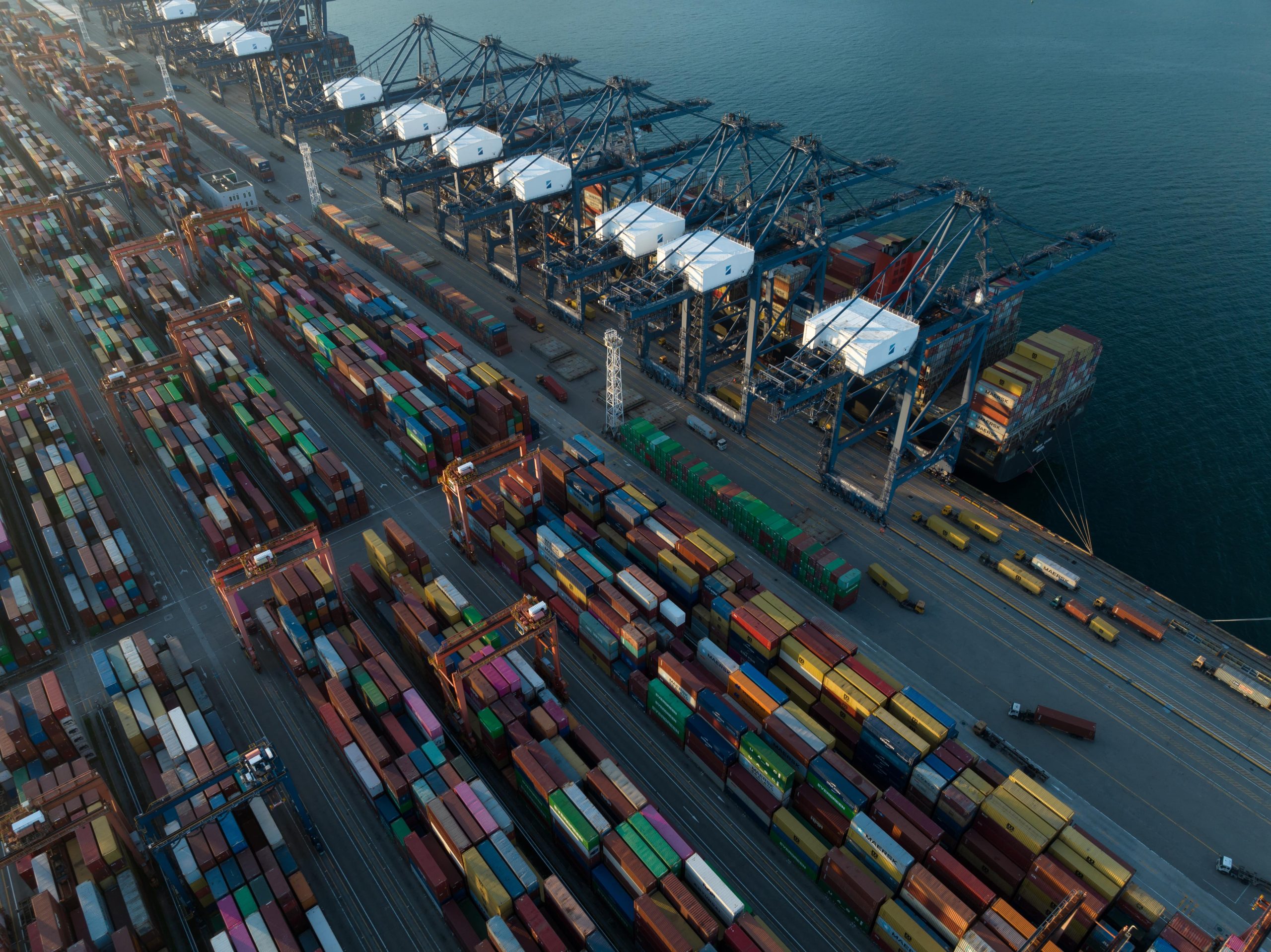
The jugular of the global energy market is constricted. Oil prices have breached multiyear highs in a violent overnight session. Brent Crude ($CO1:COM) and WTI ($CL1:COM) are no longer trading on fundamentals. They are trading on fear. The Strait of Hormuz, a narrow strip of water through which 21 million barrels of oil flow daily, is effectively a no-go zone for major tankers. Ship owners are refusing to fix vessels for Gulf loading. Insurance underwriters have pulled coverage for the region. The result is a vertical line on the price charts.
Brent Crude Price Trajectory Amidst Gulf Instability
Supply is a ghost. The world’s most critical waterway is now a parking lot for idle tankers. According to breaking reports from Bloomberg, at least twelve Very Large Crude Carriers (VLCCs) have dropped anchor outside the Strait, awaiting security clearance that may not come. This is not a standard geopolitical tremor. This is a structural break in the global supply chain. The Strait accounts for roughly 21% of global petroleum liquids consumption. If it stays closed for more than 72 hours, the current price spike to $118 per barrel will look like a bargain.
The Mechanics of a Chokepoint Crisis
The Strait of Hormuz is geographically vulnerable. At its narrowest point, the shipping lanes are only two miles wide in either direction. When tensions escalate, the cost of transit does not just rise, it becomes prohibitive. War Risk insurance premiums have surged by 400% in the last 48 hours. For a tanker carrying two million barrels of crude, this adds millions of dollars to the voyage cost before a single drop of fuel is burned. Traders are frantically looking at the EIA chokepoint data to calculate how much volume can be diverted through the East-West Pipeline in Saudi Arabia or the Abu Dhabi Crude Oil Pipeline. The answer is not enough. These bypasses have a combined capacity of only 6.5 million barrels per day, leaving nearly 15 million barrels stranded.
| Chokepoint | Daily Volume (m bpd) | Current Risk Level | Alternative Capacity |
|---|---|---|---|
| Strait of Hormuz | 21.0 | Critical | 6.5 m bpd |
| Strait of Malacca | 15.7 | High | None |
| Suez Canal | 9.2 | Moderate | Sumed Pipeline |
| Bab el-Mandeb | 8.8 | High | None |
The Death of Contango
The futures curve is screaming. We have moved into deep backwardation, where the spot price is significantly higher than the price for future delivery. This indicates an immediate, desperate need for physical barrels. Refineries in South Korea, India, and Japan are the most exposed. These nations rely on the Gulf for over 70% of their crude imports. Without a rapid resolution, we will see refinery run cuts across Asia by the end of the week. This will inevitably bleed into the refined products market, sending gasoline and diesel prices to record levels in the West. Per reports from Reuters, the Brent-Dubai spread has widened to levels not seen since the 2022 energy crisis, signaling a complete dislocation between regional benchmarks.
Speculative capital is pouring into the market. Hedge funds that were shorting oil on recession fears just two weeks ago are now being liquidated in a massive short squeeze. The technical resistance at $110 was obliterated in minutes during the Sunday night opening. We are now looking at the 2008 all-time highs as the next psychological target. The US Strategic Petroleum Reserve (SPR) is at historically low levels following the drawdowns of previous years, leaving the Biden administration with few tools to dampen the price shock. Releasing another 10 million barrels is a drop in the bucket when 21 million barrels are being blocked every single day.
The next 48 hours are decisive. If the disruption is confirmed as a long-term blockade, the global economy faces a stagflationary shock that no central bank can interest-rate-hike its way out of. Energy is the master resource. When it doubles in price overnight, everything else follows. Watch the emergency OPEC+ meeting scheduled for March 15. The market needs to see if Saudi Arabia can or will utilize its remaining spare capacity through its Red Sea ports to mitigate the disaster. Until then, the path of least resistance for oil is up. Monitor the $125.50 level on Brent crude, as a breach there confirms a move toward $140.