The Administrative Arbitrage of Danish Nuptials
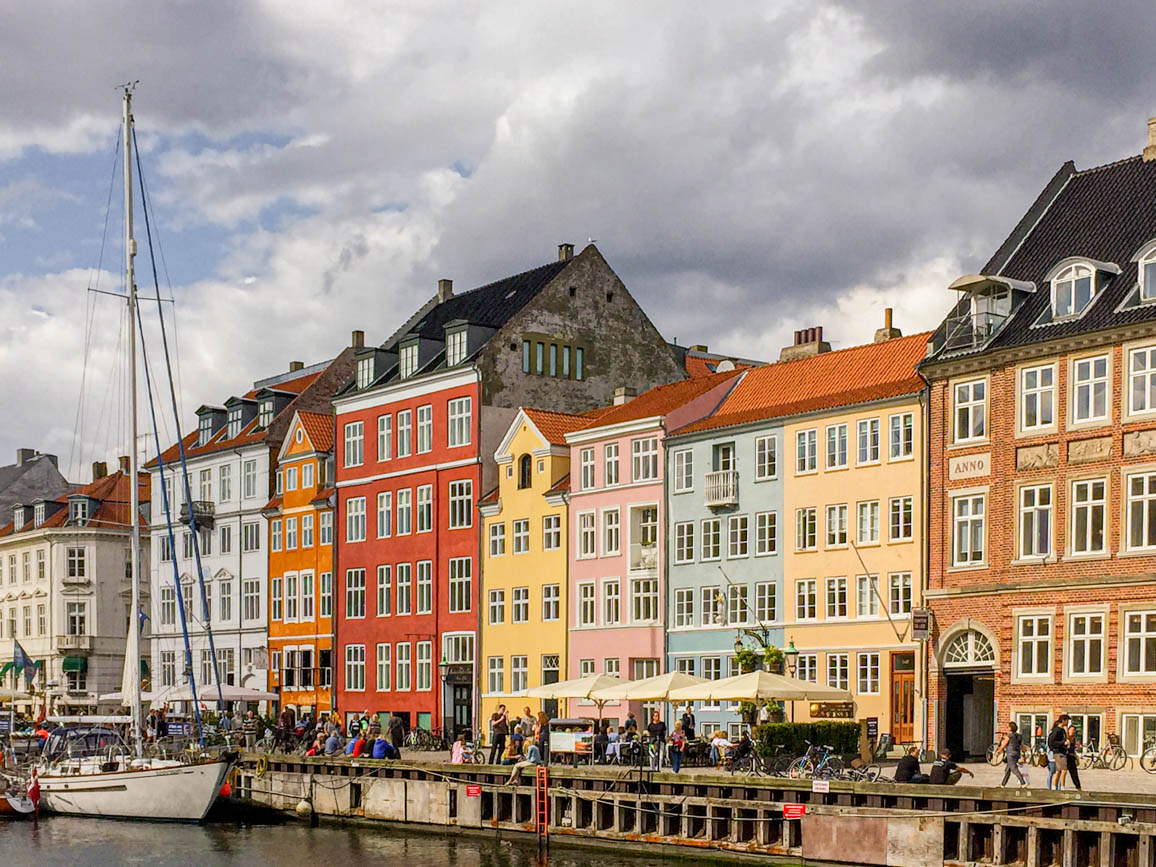
Copenhagen is no longer just a city of canals and cycling. By November 30, 2025, it has solidified its status as a high-velocity marriage mill for the bureaucratically stranded. International couples are flocking to the Danish capital, not for the aesthetics of Nyhavn, but to exploit a regulatory gap that makes the 1,900 DKK application fee look like a bargain. This is administrative arbitrage. Couples from high-friction jurisdictions like Germany or the UAE are paying for the speed of the Danish Agency of Family Law, known locally as Familieretshuset. But the surface-level efficiency masks a predatory cottage industry of wedding agencies that mark up simple government filings by as much as 400 percent.
The math is cold. A standard marriage license in Denmark costs 1,900 DKK, roughly 255 EUR at current exchange rates. However, for a non-EU couple, the real cost of entry includes certified translations, legalized birth certificates, and the looming risk of a pro-forma investigation. Under the 2019 Act on Marriage, Danish authorities have ramped up scrutiny to prevent marriages of convenience. As of late November 2025, the rejection rate for applications with incomplete document trails has climbed, leaving many couples out of pocket with no recourse for a refund of the non-refundable state fee. Per recent economic data regarding Danish service exports, the wedding sector is a significant, yet volatile, contributor to the local micro-economy.
The Hidden Cost of Bureaucratic Expediency
Couples often fall for the ‘Las Vegas of Europe’ marketing. This is a mistake. Unlike Nevada, Denmark requires a centralized approval from the Familieretshuset before you can even book a date at the City Hall. The processing time, which was marketed as five days in 2023, has stretched to several weeks by late 2025 due to a backlog of international applications. This delay creates a secondary market where ‘expedited’ agencies claim to have inside tracks. They do not. They simply exploit the ignorance of the applicant regarding the official government portal requirements.
The financial risk is concentrated in the travel logistics. Booking non-refundable flights to Copenhagen based on an estimated approval date is a gambler’s move. If the Danish authorities request additional documentation, the window for the ceremony often closes, forcing a total loss on travel assets. The following table breaks down the current market rates for a ‘DIY’ wedding versus the agency-led ‘Gold’ packages being sold as of November 2025.
| Expense Category | Official State Fee (DKK) | Agency Package Price (DKK) | The Skeptic’s Reality |
|---|---|---|---|
| Application Fee | 1,900 | Included | Non-refundable even if rejected. |
| Document Verification | 0 | 3,500 | Agency performs basic PDF checks. |
| Witness Provision | 0 | 1,200 | City Hall provides these for free on Fridays. |
| Apostille Service | 250 | 1,800 | Standard markup for a simple stamp. |
Visualizing the Cost Inflation in the Wedding Market
To understand the financial pressure on international couples, we must look at the divergence between official government fees and the actual ‘all-in’ cost of a Copenhagen wedding. The following visualization tracks the estimated total expenditure for a non-resident couple versus the Danish Consumer Price Index trends observed leading into late 2025.
The Pro-Forma Investigation Trap
The real ‘catch’ lies in Section 11 of the Danish Marriage Act. Investigators now use social media footprinting and financial history to verify the ‘genuineness’ of a relationship. If a couple has no shared financial history or a significant age gap, the case is flagged. In November 2025, legal consultants in Copenhagen reported a 15 percent increase in ‘interview invitations,’ where couples are grilled separately by officials. This is not a romantic getaway, it is a forensic audit of a relationship. If you fail, the 1,900 DKK is gone, and you may be barred from re-applying for years. This risk is rarely mentioned in the glossy brochures of wedding planners who are more interested in the EUR/DKK exchange rate stability than your marital success.
Furthermore, the venue ROI in Copenhagen is shrinking. Hotels like the Nimb or Hotel D’Angleterre have increased their ‘wedding elopement’ rates by 22 percent year-over-year. The city is essentially taxing the desperation of those who cannot marry in their home countries. While the process is faster than in Berlin or Paris, the cost per hour of administrative effort is among the highest in Europe. Investors in the local hospitality sector are reaping the rewards, but for the consumer, the ‘efficiency’ is becoming an expensive commodity.
The next major shift in this market occurs in January 2026. The Danish government is scheduled to roll out a mandatory digital identity verification for all non-resident applicants through the updated MitID system. This move is expected to eliminate the manual ‘fast-track’ loophole currently exploited by agencies. Couples planning a Q1 ceremony should watch the December 15, 2025, legislative briefing for the final technical specifications of this digital hurdle.