The Anniversary of an Exit
One year ago today, Pat Gelsinger walked out of Intel’s Santa Clara headquarters for the last time as CEO. His departure on December 2, 2024, marked the end of the ambitious IDM 2.0 era, a period defined by grand visions that often outpaced technical execution. Today, on December 3, 2025, the semiconductor landscape has shifted from speculative fervor to a cold, clinical interrogation of return on investment. The skepticism Gelsinger voiced regarding the circular nature of AI funding has metastasized into a central thesis for institutional bears. While Nvidia continues to maintain a market capitalization near $4.5 trillion, the underlying plumbing of the industry reveals a precarious dependency on a handful of hyperscalers who are essentially financing their own demand.
The Circularity of the Silicon Economy
The revenue is real. The profit remains elusive. This paradox defines the current fiscal year. According to data from Bloomberg, the cumulative capital expenditure of the four largest hyperscalers—Microsoft, Amazon, Alphabet, and Meta—is on track to exceed $315 billion by the end of December. However, incremental revenue attributable directly to generative AI software remains a fraction of that figure, estimated at just $45 billion. This disparity creates what analysts call a circularity trap. Big Tech companies buy chips to build infrastructure, which they then use to sell cloud services back to the very startups they are venture-funding. It is a closed loop of capital that lacks the traditional consumer-to-business validation necessary for long-term stability.
Intel and the 18A Inflection Point
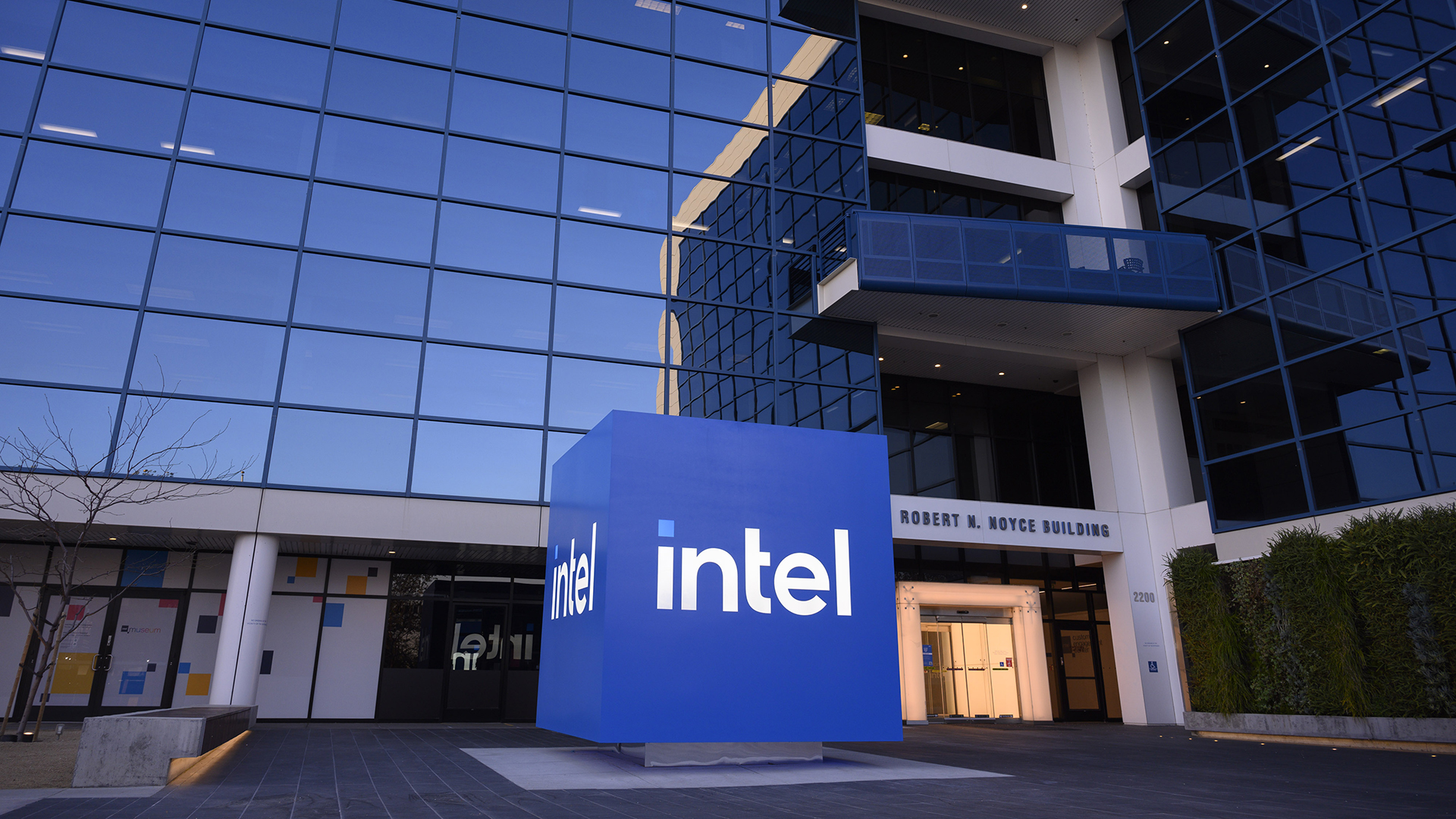
Under the new leadership of Lip-Bu Tan, Intel has pivoted from Gelsinger’s visionary rhetoric to a focus on execution discipline. The company’s 18A process node is no longer just a roadmap item; it is an existential requirement. Per recent SEC filings, Intel has finalized its $7.86 billion direct funding agreement under the CHIPS Act, providing a liquidity cushion as it attempts to win back foundry customers. Yet, the road is fraught. Reports surfaced yesterday that Nvidia has paused certain tests on Intel’s 18A technology, a move that sent Intel shares down 3 percent in pre-market trading. Without a high-volume external customer to validate the 18A node, Intel remains a designer trapped in a manufacturing crisis.
Macroeconomic Headwinds and Yield Pressure
The broader market is currently grappling with a risk-off sentiment that began earlier this week. As reported by Reuters, the 10-year Treasury yield jumped to nearly 4.10 percent on December 1, up from 4.01 percent the previous Friday. This upward pressure on yields serves as a gravity well for tech valuations. When the cost of capital rises, the long-dated promises of AI productivity are discounted more heavily. For a company like Nvidia, which trades at a price-to-earnings ratio of 46.7, even a minor recalibration of interest rate expectations can trigger significant volatility. We are seeing this manifest in aggressive insider selling, with Nvidia directors offloading over $2.3 million in stock just yesterday, December 2.
The Sustainability Question
Institutional investors are no longer satisfied with narrative-driven growth. They are demanding unit economics that justify the massive data center buildouts. The table below illustrates the widening gap between infrastructure spending and top-line results for the leading players in the sector.
| Metric | 2024 Actual | 2025 Projected | Year-over-Year Change |
|---|---|---|---|
| Hyperscaler AI CapEx | $200 Billion | $315 Billion | +57.5% |
| Enterprise AI Software Revenue | $25 Billion | $45 Billion | +80.0% |
| Capex-to-Revenue Gap | $175 Billion | $270 Billion | +54.2% |
While the growth in revenue appears impressive on a percentage basis, the absolute dollar gap is widening. This suggests that for every dollar of revenue generated, the industry is spending more than six dollars on hardware and power. This is the definition of a capital-intensive bubble. Unlike the software-as-a-service (SaaS) boom of the last decade, where margins were high and CapEx was low, the AI era is characterized by an industrial-scale appetite for electricity and silicon that may not be sustainable if enterprise adoption plateaus.
The Next Milestone
The market is now focused on a specific data point for early 2026. Analysts expect a significant gross margin contraction for Intel in the first half of the coming year as it transitions to the 18A node. The critical figure to watch will be the 18A wafer yield rate, which must exceed 60 percent by March 2026 to convince the market that the American silicon turnaround is more than just a subsidized dream.