Capital flows dictate survival.
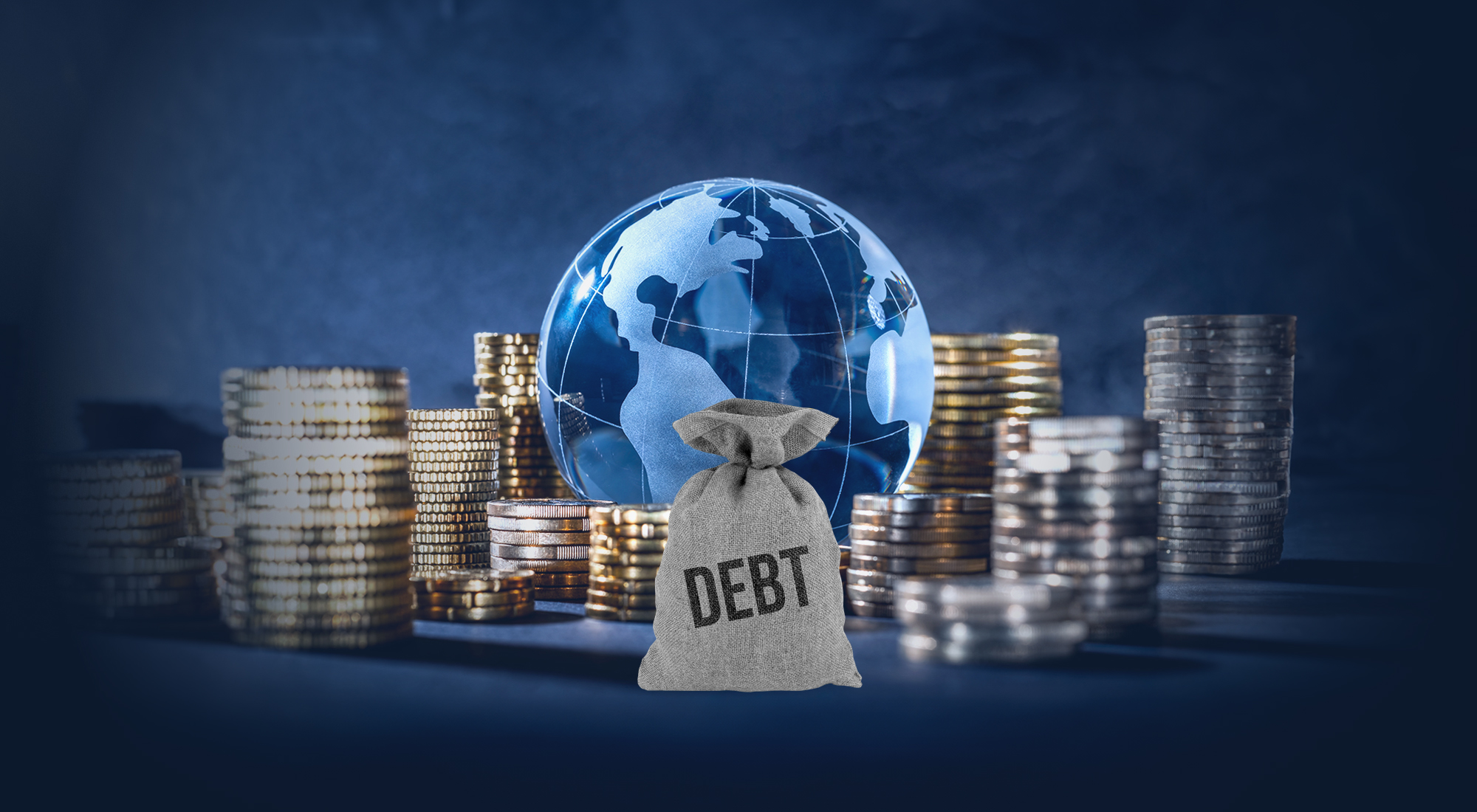
The global financial architecture is currently failing the climate test. As of November 12, 2025, the gap between ecological necessity and fiscal reality has widened into a chasm. While previous years focused on the rhetoric of ‘inclusive growth,’ the hard data from this week’s market reports suggests a more predatory cycle. High interest rates in the Global North have effectively locked emerging economies out of the capital markets required for green transitions. Per the latest Reuters briefing on COP30 preparations, the New Collective Quantified Goal (NCQG) remains stalled because the math of debt servicing simply does not allow for adaptation. For every dollar sent in climate aid, two dollars are currently flowing back to private creditors in the West as interest payments.
The Mechanical Failure of Carbon Credits
Voluntary carbon markets have collapsed under the weight of their own opacity. On November 11, 2025, nature-based offset prices hit a new historic low. The market is no longer pricing in ‘avoided deforestation’ because the verification protocols have proven to be mathematically insolvent. This is not a failure of intent. It is a failure of accounting. Middle-income nations that banked on carbon credit revenue to fund their National Determined Contributions are now facing massive budget deficits. The Bloomberg Carbon Index shows a 42 percent year-over-year decline in liquidity for forest-based credits, leaving a massive hole in the transition budgets of nations like Brazil and Indonesia.
The Belem Ultimatum
Brazil’s presidency of COP30 has shifted the focus from ’emissions targets’ to ‘sovereign solvency.’ On November 10, the Brazilian Ministry of Finance released a white paper arguing that the current IMF debt sustainability framework is fundamentally incompatible with the 1.5-degree Celsius goal. The paper details how current credit rating agencies penalize countries for investing in climate resilience, viewing such long-term spending as a short-term liquidity risk. This creates a paradox where the more a nation tries to protect itself from climate-induced economic shocks, the more expensive it becomes for that nation to borrow money. This feedback loop is the primary driver of climate inequality in late 2025.
Debt-for-Nature Swaps are Not a Panacea
There is a dangerous misconception that ‘Debt-for-Nature’ swaps will solve this crisis. They will not. The scale is insufficient. Currently, these swaps cover less than 0.5 percent of the total sovereign debt of climate-vulnerable nations. These instruments are often structured with high transaction costs that benefit Western investment banks more than the local ecosystems they claim to protect. According to the IMF’s November Global Financial Stability Report, the cost of capital for renewable projects in Africa is still three times higher than in Europe, despite identical technology profiles. This ‘green risk premium’ is a direct tax on the poor that no amount of philanthropy can offset.
Structural Inequality in Technology Transfer
The intellectual property regime is the second pillar of this inequality. As of this morning, patents for high-efficiency solid-state batteries remain concentrated in three jurisdictions. Efforts to waive these patents for Global South manufacturing have been met with fierce resistance from trade blocs. This ensures that even if a developing nation can secure the capital, they remain dependent on importing expensive hardware from the very nations responsible for historical emissions. This is not a market. It is a closed-loop system designed to preserve the status quo of the mid-20th century. The fiscal weight of this dependency is visible in the rising trade deficits of nations attempting to electrify their transit systems using imported components.
Watch the bond yield spreads for the V20 group of nations as we approach January 2026. If the spread against US Treasuries does not compress by at least 150 basis points following the Belem Ministerial, the funding for the 2026 adaptation cycle will likely evaporate, triggering the first wave of climate-induced sovereign defaults.