The $3 Billion Valuation Trap
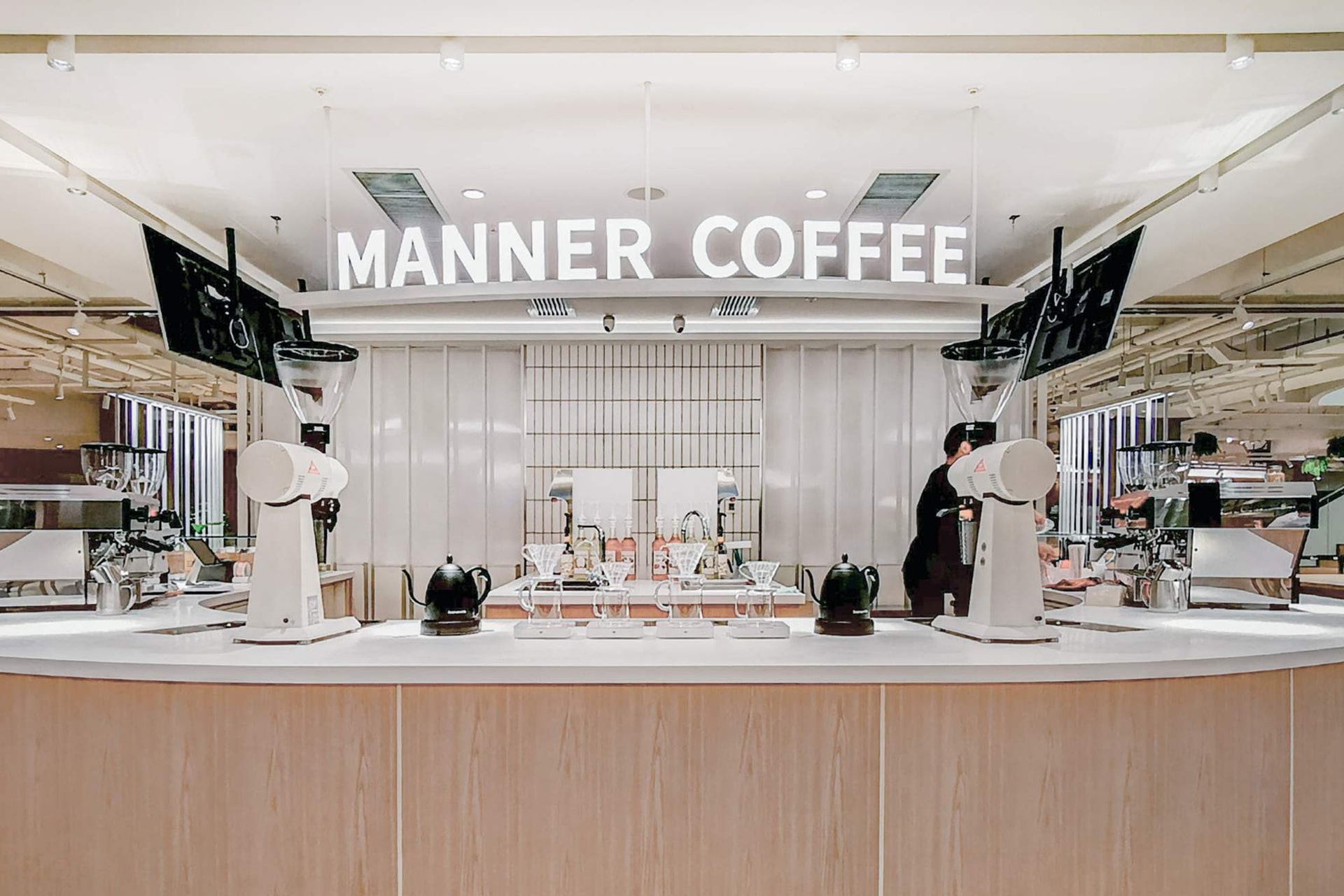
Wall Street is buzzing with the news that Shanghai’s Manner Coffee is eyeing a Hong Kong IPO as early as next year. Reports surfacing today, November 18, 2025, via Bloomberg, suggest the boutique chain is seeking a valuation between $3 billion and $4.5 billion. While the headline figures look robust, a deeper dive into the unit economics reveals a brand trapped between the scorched-earth price wars of Luckin Coffee and the premium experience of Starbucks.
Manner currently operates 2,234 directly owned stores. This footprint is a fraction of its competitors. To justify a multi-billion dollar valuation, Manner must prove its “premium-lite” model can scale without collapsing under its own operational weight. The market is skeptical. Investors are still reeling from the volatility in the consumer sector, and the “coffee wars” in China have reached a desperate crescendo where profitability is often sacrificed for foot traffic.
The Labor Crisis Hiding Behind the Counter
Coffee is a high-margin business, but only if you can manage the human cost. Manner has struggled here. Viral incidents in mid-2024, where overworked baristas clashed with customers, exposed a systemic flaw in the company’s lean staffing model. At many locations, a single staff member is expected to handle over 500 cups in an eight-hour shift. This is not specialty coffee; it is an industrial assembly line disguised as a minimalist boutique.
With internship wages reportedly as low as 4,000 RMB per month, retention is a liability. If Manner plans to use IPO proceeds to expand into Southeast Asia, specifically targeting 400 stores in Indonesia by 2026, it will face even stiffer labor regulations and a different set of logistical nightmares. The brand’s reliance on a 100% directly operated model means every store is a capital-heavy commitment, unlike the asset-light franchise models of Cotti or Luckin.
Market Saturation and Pricing Pressure
As of November 13, 2025, the competitive landscape is suffocating. Luckin Coffee has effectively set the price floor at 9.9 RMB, with some promotional crossovers dipping as low as 4.9 RMB. Manner, positioned in the 15 to 25 RMB range, is essentially asking consumers to pay a 100% premium for a brand that no longer carries the “exclusive” tag of its early Shanghai days.
Per the latest Reuters reports on Chinese retail sentiment, the middle-class consumer is trading down. Manner’s refusal to participate in the 9.9 RMB price war is commendable for its margins but disastrous for its market share growth. In a market where volume is king, Manner is standing still while others sprint.
Comparison of Major Coffee Players in China
| Brand | Store Count (Nov 2025) | Operating Model | Avg. Price Point (RMB) |
|---|---|---|---|
| Luckin Coffee | 27,930 | Mixed (Direct/Franchise) | 9.9 – 15 |
| Cotti Coffee | 15,323 | Franchise | 9.9 |
| Starbucks China | 8,283 | Direct (Equity Stake Sale Pending) | 25 – 40 |
| Manner Coffee | 2,234 | Direct | 15 – 25 |
The Institutional Exit Strategy
Why now? Manner has a star-studded list of backers including ByteDance, Temasek, and Meituan Dragon Ball. These venture capital giants have been sitting on their positions for years. With the Hong Kong IPO market finally rebounding in 2025, reaching over $32 billion in total funds raised according to HKEX data, this move looks less like a growth play and more like an exit for early investors.
The skepticism lies in the timing. If the company were truly confident in its domestic growth, it wouldn’t be pivoting so aggressively to international markets like Indonesia before securing a top-five spot in its home territory. Manner is currently ranked 6th by store count, trailing behind even Lucky Cup and Nova Coffee. For an IPO to succeed, the company needs to prove it isn’t just a Shanghai fad that peaked during the specialty coffee craze of 2021.
The next major metric to watch will be Manner’s Q1 2026 store-level profit margins, which must offset the rising cost of Arabica beans that hit a multi-year high this November. If those margins shrink below 15%, the $3 billion valuation will evaporate faster than the foam on a poorly pulled latte.