The Statistical Defiance of the November Customs Report
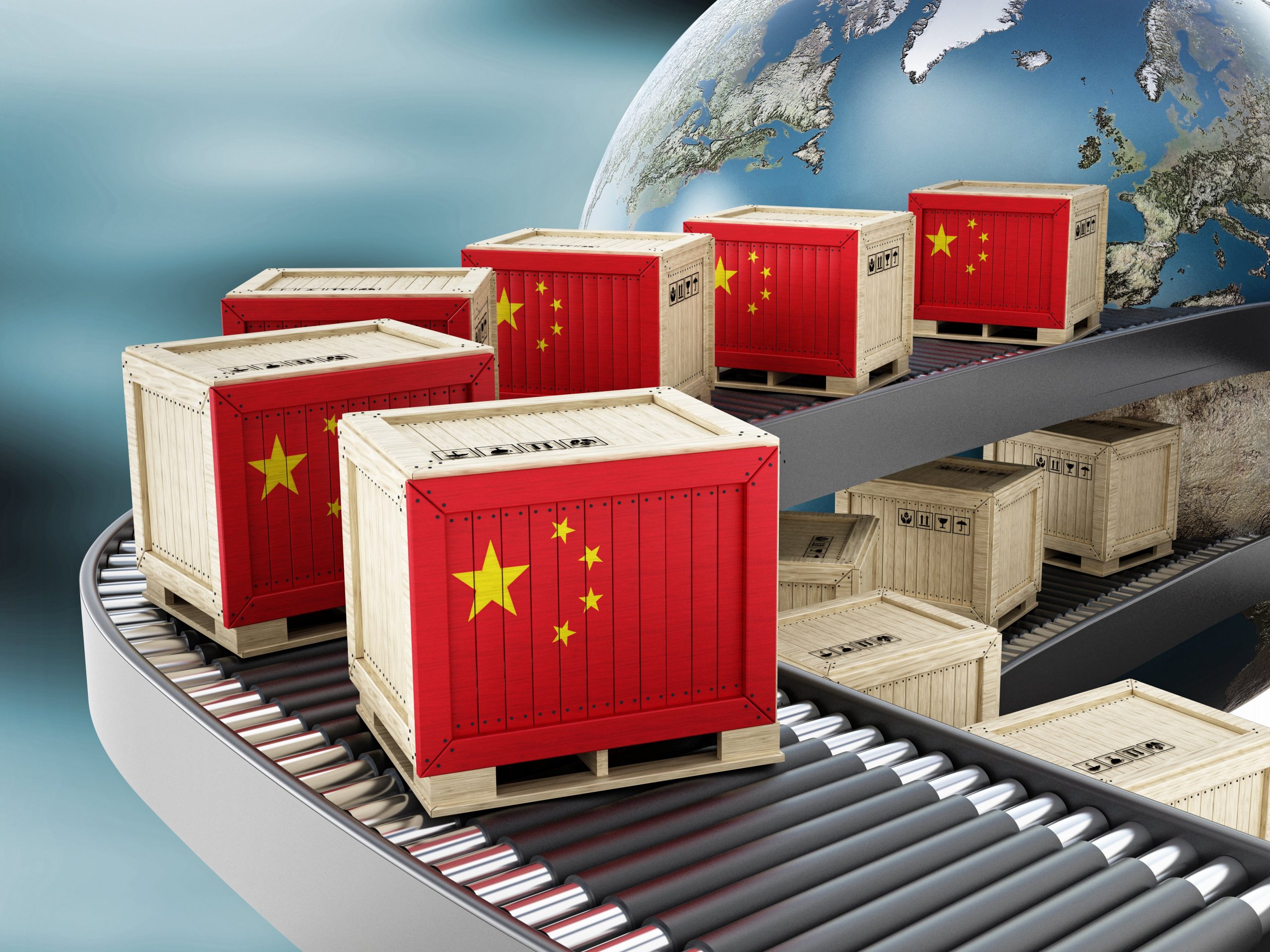
Data released by the General Administration of Customs in Beijing on December 5, 2025, has sent a clear signal to the G7 economies. China reported an 8.4 percent year-on-year surge in export value for November. This figure did not just beat the consensus estimate of 5.1 percent; it shattered the narrative of a terminal manufacturing slowdown. The markets reacted with characteristic volatility. The Hang Seng Index climbed 4.2 percent within hours of the release, while the offshore Yuan strengthened to 7.12 against the dollar, according to market tracking by Yahoo Finance. This is not a mere recovery. It is a structural reallocation of global trade flows disguised as a rebound.
The Mechanical Drivers of the Surplus
The surge is anchored in the so-called Green Trio: electric vehicles, lithium-ion batteries, and solar infrastructure. Despite the aggressive tariff regimes maintained by the European Union, Chinese manufacturers have successfully pivoted toward the Global South. Exports to ASEAN nations rose by 14.2 percent in November, effectively offsetting the tepid 2.1 percent growth in direct shipments to the United States. This shift highlights a sophisticated transshipment strategy. Goods are increasingly routed through secondary hubs like Vietnam and Mexico to circumvent direct trade barriers. The Beijing-Washington Framework, signed just two weeks ago, provided the psychological floor for this activity, but the underlying momentum is purely industrial.
The Arbitrage of the Trade Truce
The recent trade truce is often misinterpreted as a de-escalation. In reality, it is a managed decoupling. Under the terms of the late-November agreement, as reported by Reuters, China agreed to purchase an additional $40 billion in agricultural products over the next year. In exchange, the U.S. suspended the ‘Section 301’ increases scheduled for December 1. This temporary peace has allowed Chinese exporters to clear a massive backlog of orders. However, the price of industrial inputs is rising. Steel and aluminum demand in the Yangtze River Delta has pushed domestic commodity prices to a six-month high. This creates a margin squeeze for smaller manufacturers who lack the scale of state-backed giants like BYD or Xiaomi.
Regional Export Performance Breakdown
The divergence in regional performance provides the most actionable alpha for global macro investors. While the headline number is 8.4 percent, the granular data reveals a deeply fragmented global economy. The EU market remains a drag on performance due to the lingering effects of the Carbon Border Adjustment Mechanism (CBAM), which added significant costs to Chinese heavy industry exports throughout the third quarter of 2025.
| Region | Nov 2025 Growth (YoY) | Primary Driver |
|---|---|---|
| ASEAN | +14.2% | Semiconductors and Intermediate Goods |
| Latin America | +9.7% | Infrastructure and Consumer Electronics |
| European Union | -1.5% | Regulatory Friction (CBAM) |
| United States | +2.1% | Truce-related Logistics Clearing |
Logistics Bottlenecks and the Cost of Resilience
Supply chain reliability remains the primary constraint on further expansion. The surge in volume has overwhelmed the Port of Shanghai, with container dwell times increasing from 3.2 days in October to 5.1 days in early December. Freight rates on the Shanghai-to-Rotterdam route have spiked 12 percent in the last 48 hours. Investors must distinguish between volume growth and profitability. High export numbers do not always translate to corporate earnings if the cost of delivery consumes the margin. Large-cap logistics firms are currently the primary beneficiaries of this volume spike, as they possess the long-term contracts to weather the spot-rate volatility. The 10-year Treasury yield reacted to these inflationary signals by ticking up to 4.45 percent, per data from Bloomberg, as traders price in a ‘higher for longer’ rate environment driven by Chinese export-led inflation.
The Institutional Pivot
Institutional capital is repositioning. The data suggests that the ‘China Plus One’ strategy is evolving into a ‘China Plus ASEAN’ integration. We are seeing a sophisticated layering of supply chains where the high-value components are still produced in Shenzhen but assembled in neighboring jurisdictions. This allows the Chinese export engine to remain relevant despite geopolitical headwinds. The skepticism regarding China’s internal consumption remains valid, but its ability to produce and ship goods to the world is clearly undiminished. The focus now shifts to the sustainability of this growth as we move into the first quarter of the new year.
The critical milestone to monitor is the February 14, 2026, Harmonized Tariff Review. This date marks the first formal assessment of the Beijing-Washington Framework and will determine if the current export surge is a permanent shift or a temporary front-loading of shipments. Watch the Baltic Dry Index for signs of early Q1 cooling.