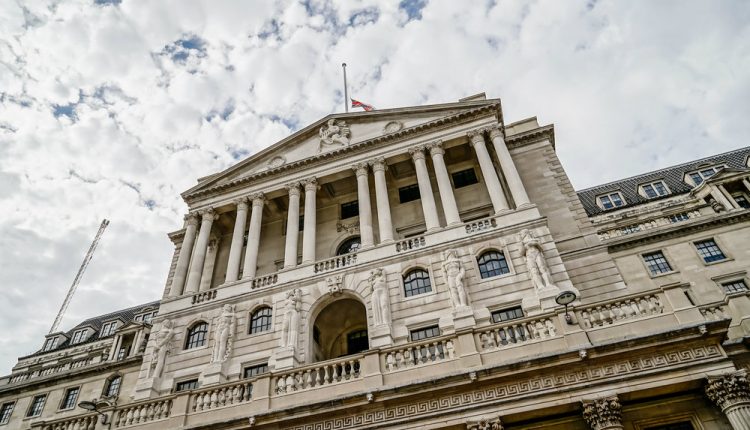
The screen bled red.
No asset class found shelter in yesterday’s rout. Gold fell. Silver cratered. Equities and digital assets followed the same downward trajectory. This was not a localized correction. It was a systemic liquidation event triggered by a sudden realization that the era of easy money is not returning as quickly as the bulls had priced in. According to data from Bloomberg, the cross-asset correlation hit a one-year high during the London session, a classic signal of a liquidity squeeze where investors sell what they can, not what they want.
The narrative of a soft landing is fracturing. Market participants are waking up to a week of central bank decisions that look increasingly hostile. The Reserve Bank of Australia, the Bank of England, and the European Central Bank are all standing at the podium this week. Their message is likely to be a cold shower for those expecting a dovish pivot. When the cost of capital remains elevated, the premium paid for growth stocks and non-yielding assets like gold must be re-evaluated. The market is currently undergoing that painful repricing in real-time.
The Precious Metals Paradox
Gold is supposed to be the hedge. It failed. The yellow metal plunged alongside risk assets, defying the traditional flight-to-safety manual. This happens when margin calls in the equity and crypto markets force institutional players to liquidate their most liquid winners to cover losses elsewhere. Silver took an even harder hit, dropping nearly double the percentage of gold as industrial demand fears coupled with monetary tightening. The technical breakdown below the 50-day moving average suggests that the floor is further down than many anticipated.
Per reports from Reuters, the strength of the US Dollar Index (DXY) remains the primary antagonist. As the dollar climbs, the purchasing power for commodities priced in greenbacks diminishes. This creates a feedback loop. High rates attract capital to the dollar. A strong dollar crushes commodities. Crushed commodities signal slowing global growth. Slowing growth triggers more selling. We are currently in the middle of this cycle, and the exit is not yet visible.
A Murderers Row of Central Bank Decisions
The volatility is just beginning. This week features a sequence of central bank meetings that will dictate the direction of the global economy for the first half of the year. The RBA is up first. Australian inflation has proven stickier than its peers, potentially forcing a hawkish stance that would rattle the carry trade. Then comes the ECB and the BOE. Both are trapped between stagnant growth and persistent service-sector inflation. If they signal that rates will stay higher for longer, the ‘sea of red’ seen on Monday will look like a mere puddle.
The ultimate test arrives on Friday with the US Non-Farm Payrolls. The labor market has been the final pillar holding up the US economy. If the jobs data comes in too hot, the Fed has no reason to cut. If it comes in too cold, the recession fears will go from a whisper to a roar. There is no ‘Goldilocks’ zone left. The market is positioned for a perfection that the data is no longer providing.
Visualizing the February Liquidity Crunch
The Technical Mechanism of the Sell-Off
The mechanics of this crash are rooted in the derivatives market. High-leverage long positions in both crypto and tech futures were ‘swept’ as the price action breached key psychological levels. In the crypto space, liquidations exceeded $500 million in a single four-hour window. This forced selling creates a vacuum. Without sufficient buy-side liquidity, the price ‘gaps’ down to the next available bid, which is often significantly lower. This is why we see such violent moves in a short period.
Institutional hedging also played a role. Large funds using ‘Value at Risk’ (VaR) models are forced to reduce exposure when volatility spikes. This is a mathematical requirement, not a discretionary choice. As volatility rises, their models dictate a lower position size. They sell into a falling market, which increases volatility, which then triggers more selling. It is a self-reinforcing mechanism that ignores fundamentals in favor of risk management protocols.
Comparative Central Bank Outlook
| Central Bank | Next Meeting Date | Current Rate | Market Consensus |
|---|---|---|---|
| RBA | Feb 3, 2026 | 4.35% | Hawkish Hold |
| ECB | Feb 5, 2026 | 4.00% | Restrictive Neutral |
| BOE | Feb 5, 2026 | 5.25% | Dovish Lean |
| US Fed | March 2026 | 5.50% | Higher for Longer |
The divergence between the Bank of England and the US Federal Reserve is particularly noteworthy. While the UK struggles with a more fragile consumer base, the US economy continues to defy gravity, albeit with cracks appearing in the subprime credit sector. This divergence creates massive swings in the GBP/USD pair, further complicating the global trade balance. Traders are currently favoring the dollar as the ultimate ‘cleanest shirt in the dirty laundry’ pile, a sentiment that is punishing emerging markets and commodities alike.
Watch the 10-year Treasury yield. It is the most important number in the world right now. If it pushes back toward the 5% mark, the equity market’s valuation models will break. Most tech companies are valued based on the present value of future cash flows. When the discount rate (the 10-year yield) goes up, the present value goes down. It is basic arithmetic, yet the market seems surprised every time it happens. The next specific data point to watch is the US ISM Services PMI scheduled for release shortly, which will provide the first real look at whether the largest sector of the US economy is finally cooling under the weight of these rates.