The Era of Cheap Money is Dead
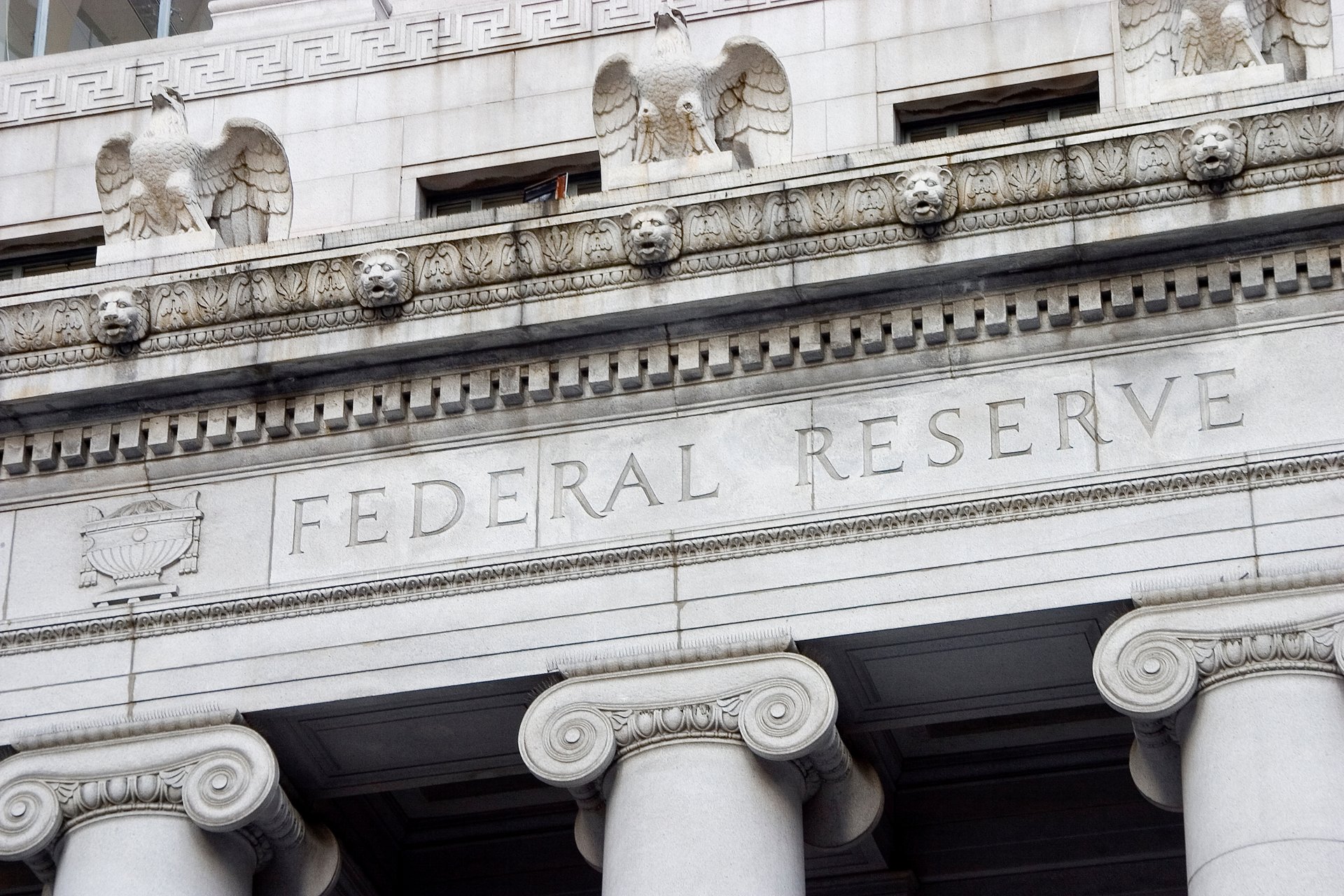
The ghost of the 2010s has finally left the building. For a decade, investors were coddled by a regime of suppressed volatility and negative real rates. That world ended. BlackRock recently signaled this shift by questioning the very foundations of central bank independence. This is not a temporary glitch in the matrix. It is a structural realignment of global capital. The markets are no longer reacting to traditional monetary levers in the way they did during the post-2008 era. We are witnessing a collision between runaway fiscal spending and the Federal Reserve’s desperate attempt to maintain a veneer of control.
The numbers do not lie. As of February 2, 2026, the 10-year Treasury yield sits stubbornly at 4.65 percent. This is a far cry from the sub-2 percent environment that fueled the tech bubble of the early 2020s. Inflation, once thought to be a transitory beast, has settled into a sticky 3.2 percent baseline. This is the new floor. The Federal Reserve’s recent decision on January 28 to hold rates steady at 5.25 to 5.50 percent confirms the suspicion that the ‘neutral rate’ has moved higher. The old playbook is useless. Quantitative easing has been replaced by quantitative tightening, and the market is struggling to find its footing in a world where liquidity has a real, painful cost.
The Death of the Fed Put
Investors once relied on the central bank to bail them out at the first sign of a correction. This was the Fed Put. It is gone. In its place is a regime where the central bank is forced to choose between price stability and financial stability. They are choosing price stability because they have no other choice. The political cost of high inflation is now higher than the economic cost of a recession. This shift in priorities has fundamental implications for asset allocation. High-growth, non-profitable tech companies that thrived on zero-interest-rate policy (ZIRP) are being liquidated. Capital is flowing back into ‘old economy’ sectors like energy and industrials, where cash flow actually matters.
Per recent reports from Bloomberg Markets, the correlation between stocks and bonds has turned positive. This breaks the traditional 60/40 portfolio. When stocks fall, bonds no longer provide the hedge they once did because inflation eats the fixed income return. This is the ‘Macro Regime’ BlackRock warned about in their January 30 dispatch. It is a world of higher volatility and lower liquidity. The central bank is no longer the market’s best friend. It is a warden trying to keep a lid on a boiling pot of fiscal excess.
Visualizing the Structural Shift
To understand the magnitude of this change, we must look at the divergence between the pre-2020 baseline and the current reality of early 2026. The following chart illustrates the dramatic rise in both the cost of capital and the inflation floor that defines our current era.
Inflation and Interest Rate Regime Shift 2019 vs 2026
The Fiscal Dominance Trap
Central bank independence is a myth when the government’s interest expense exceeds its defense budget. This is the reality of the United States in 2026. The Treasury is issuing record amounts of debt to service existing obligations. This forces the Federal Reserve into a corner. If they raise rates too high, they bankrupt the Treasury. If they lower rates too soon, inflation spirals out of control. This is the ‘Fiscal Dominance’ trap. It means the Fed is no longer truly independent. Its policy decisions are now secondary to the needs of the Treasury’s auction schedule.
Data from Reuters Finance suggests that the term premium on long-dated debt is finally returning. Investors are demanding more compensation for the risk of holding government paper in an inflationary environment. This is a healthy correction, but it is painful for those who built portfolios on the assumption of ‘lower for longer.’ The market is finally pricing in the reality that the government cannot spend indefinitely without consequences. The ‘Great Moderation’ of the last thirty years was an anomaly, not the rule.
Supply Side Fragility and Geopolitics
The new regime is also defined by the end of hyper-globalization. Supply chains are no longer optimized for cost, but for resilience. This is inherently inflationary. Moving manufacturing from China to Mexico or the United States increases the cost of goods. This ‘friend-shoring’ is a political necessity but an economic burden. Central banks cannot fix supply-chain fragility with interest rate hikes. They are using a blunt monetary tool to solve a structural industrial problem. This mismatch is why inflation remains so difficult to eradicate.
As noted by Yahoo Finance analysts over the weekend, the volatility in energy markets continues to act as a tax on global growth. Crude oil prices are hovering near $86 per barrel as geopolitical tensions in the Middle East and Eastern Europe persist. These are exogenous shocks that the Federal Reserve cannot control. When BlackRock asks if we are in a new regime, they are really asking if we have entered an era where central banks are largely irrelevant to the primary drivers of the economy. The answer appears to be a resounding yes.
Watching the March Milestone
The market is currently fixated on the upcoming March 18 FOMC meeting. This will be the true test of the Fed’s resolve. If they pivot toward rate cuts despite sticky inflation, it will be a signal that fiscal dominance has won. If they hold firm, they risk a hard landing for an economy that is already showing signs of exhaustion in the consumer sector. Credit card delinquencies have hit a seven-year high as of this morning. The buffer of pandemic-era savings is gone. The next data point to watch is the February 13 CPI release, which will determine if the current ‘higher for longer’ narrative needs to be upgraded to ‘higher forever.’