The Austin Detente
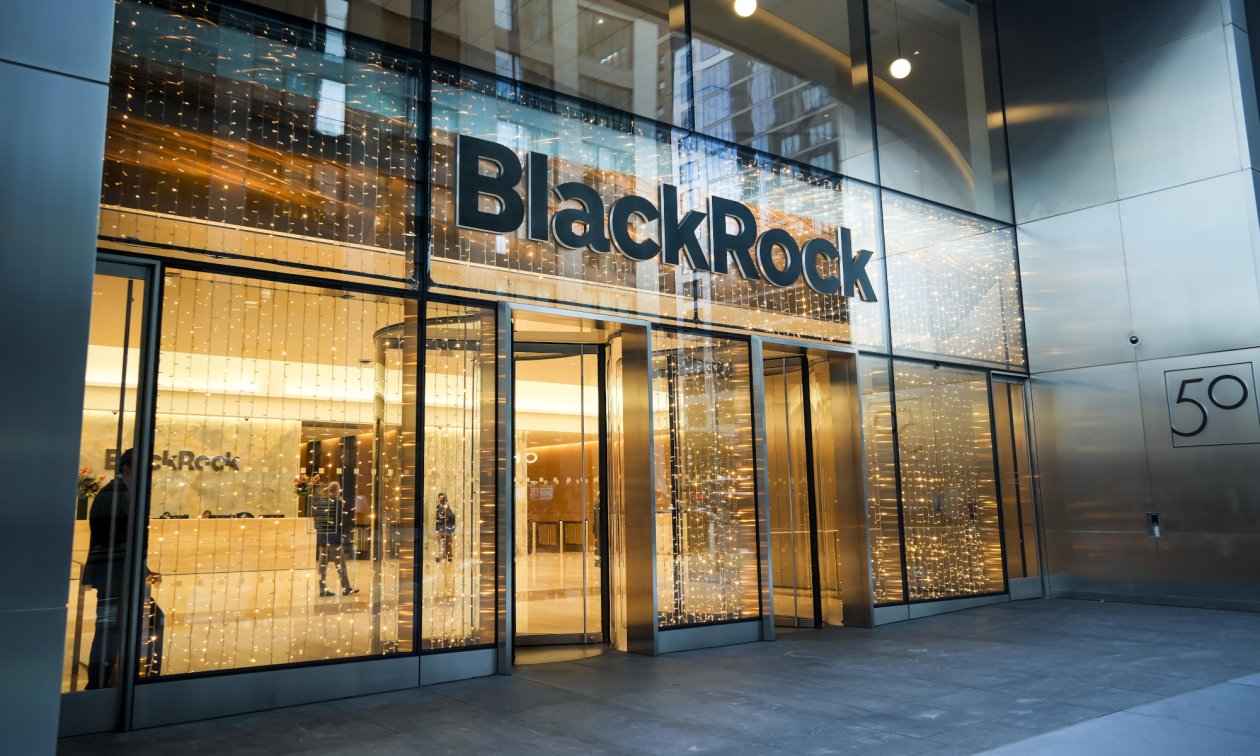
Institutional capital is moving back to Austin. Following three days of high-stakes positioning at the Texas Tribune Festival, which concluded on November 15, 2025, it is clear that BlackRock is no longer merely defending its presence in the Lone Star State. It is aggressively rebranding. The firm, which oversaw an $8.5 billion divestment by the Texas Permanent School Fund (PSF) in late 2024, has shifted its thesis from environmental governance to “energy pragmatism.” This shift was punctuated by BlackRock’s sponsorship of the festival’s most controversial infrastructure session, focused on nuclear energy as the primary solution for the Texas power grid.
Capital follows growth. Texas currently boasts a GDP of approximately $2.77 trillion, and as of the initial Q3 2025 GDP estimate, the state continues to outpace national averages with an annualized growth rate of 4.3 percent. For BlackRock, the math is simple: the risk of political exclusion from the nation’s most robust energy market outweighs the reputational cost of abandoning the “ESG” label. The 10-year Treasury yield, which settled at 4.14 percent on November 14, has compressed margins for traditional fixed-income portfolios, making high-yield infrastructure projects in the Sunbelt an essential allocation for institutional managers.
The Nuclear Pivot and the Grid Challenge
BlackRock is betting on the atom. During the “Nuke the Grid!” panel in Austin, the firm’s representatives aligned with state leaders to promote dispatchable nuclear power as the future of Texas energy. This is a strategic retreat from wind and solar advocacy, which drew the ire of the Texas Senate and led to the passage of SB 13. By emphasizing nuclear energy, BlackRock is speaking the language of “grid reliability,” a top priority for Lieutenant Governor Dan Patrick and the Texas Legislature.
Liquidity is being redirected. In June 2025, BlackRock launched the iShares Texas Equity ETF (TEXN), which focuses exclusively on companies headquartered in Texas, including fossil fuel giants like ExxonMobil and Chevron. This was not a coincidence. It was a calculated move to prove that BlackRock is not “boycotting” oil and gas, as alleged by the State Comptroller. The current portfolio composition of TEXN suggests an aggressive tilt toward traditional energy and heavy infrastructure, mirroring the state’s own capital priorities.
Key Texas Financial Indicators
| Metric | Value (Nov 2025) | Institutional Impact |
|---|---|---|
| BlackRock Texas AUM | ~$380 Billion | High: Largest private investor in TX energy. |
| PSF Divestment Total | $8.5 Billion | Moderate: Replaced by internal management. |
| TEXN ETF Yield | 2.8% (Est) | Growing: Retail interest in regional growth. |
| Texas Unemployment | 4.1% | Stable: Matching national labor cooling. |
The $8.5 Billion Divorce
Divestment remains the primary tool of political leverage. The decision by Aaron Kinsey, Chair of the Texas PSF, to terminate contracts with BlackRock earlier this year was framed as a defense of “Texas values.” However, internal fiscal reports suggest a more nuanced reality: the PSF is attempting to reduce its exposure to global emerging market debt, a sector where BlackRock had significant oversight. This allows state officials to achieve two goals simultaneously: satisfy the requirements of SB 13 and de-risk the state’s educational endowment from volatile overseas markets.
Institutional memory is short, but the price of capital is not. BlackRock’s participation in the Texas Power Grid Investment Summit alongside state officials indicates that the “blacklist” is porous. When the state requires billions in private credit to build out its natural gas and nuclear capacity, it cannot afford to permanently alienate the world’s largest asset manager. The festival discussions revealed that BlackRock is positioning its Private Equity and Infrastructure arms to be the primary financiers of the “Texas Miracle” 2.0.
The retirement crisis looms over the Sunbelt. With a labor force exceeding 15.8 million, Texas faces a massive gap in private retirement savings. BlackRock’s engagement at the festival regarding retirement planning was less about philanthropy and more about the expansion of its LifePath products. As traditional pensions disappear, the firm is looking to capture the 401(k) and IRA flows from the thousands of workers migrating to the state daily. This is the ultimate long-game: becoming the default custodian for the wealth generated by the very energy sector that once tried to banish them.
The next critical milestone for this relationship arrives in the first quarter of 2026. Market participants are monitoring the formal launch of the Texas Stock Exchange (TXSE), an initiative backed by BlackRock and Citadel. The exchange represents the final piece of a separate Texas financial ecosystem, designed to bypass the regulatory and social frameworks of New York. Watch for the SEC’s final approval of the TXSE fee structure in early January; it will signal whether the institutional detente in Austin has successfully transformed into a permanent shift in American capital architecture.