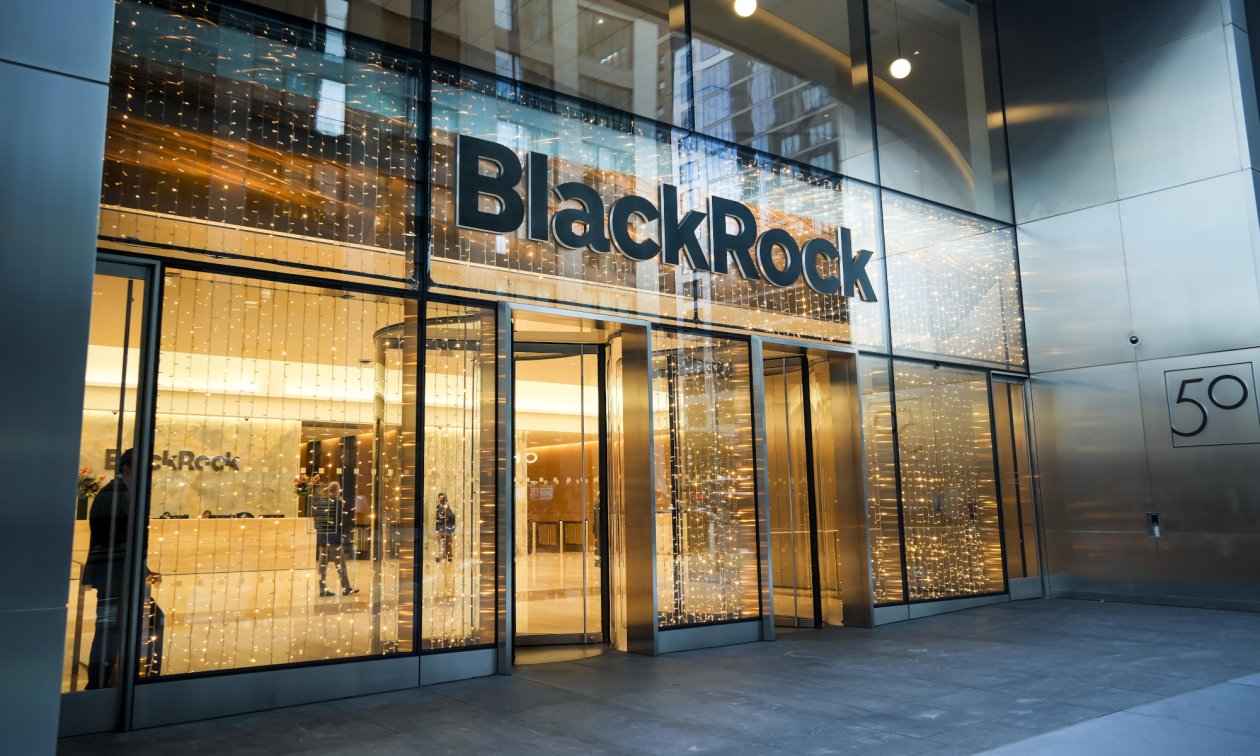
The champagne is flat. The private jets have departed Zurich. Davos 2026 is officially over. BlackRock remains. The firm is no longer just an asset manager. It is a sovereign shadow. Larry Fink’s lieutenants are not talking about ESG anymore. They are talking about steel. They are talking about gigawatts. They are talking about the physical reality of the digital mind.
The Davos Consensus Rebranded
Institutional capital is fleeing the abstract. It wants physical assets. The latest Davos Download featuring Joud Abdel Majeid confirms what the tape has been whispering for months. BlackRock is leaning into a trifecta of innovation, infrastructure, and artificial intelligence. This is not a suggestion. It is a mandate. After meeting with 300 global leaders, the narrative is clear. The global economy is resilient because it is being rebuilt from the ground up.
The pivot to infrastructure is a response to the Inference Wall. In 2024, the world obsessed over training models. In 2026, the obsession is running them. Large Language Models require a power density that the current grid cannot support. BlackRock’s push into infrastructure, specifically through their integrated Global Infrastructure Partners unit, has positioned them as the primary landlord of the AI era. They are not just buying stocks. They are buying the transformers and the cooling towers that make those stocks possible.
Institutional Capital Allocation to Infrastructure (January 2026)
The Infrastructure Arbitrage
Private credit is the engine. Traditional banks are too constrained by regulatory capital requirements to fund the $2 trillion annual infrastructure gap. BlackRock is filling the void. They are lending to the very companies they own. This circularity is the hallmark of the new financial regime. Per recent Reuters reports on WEF 2026, the appetite for private debt has reached a fever pitch. Investors are looking for yield that is decoupled from the volatility of the S&P 500.
The technical mechanism is simple but profound. BlackRock originates the debt. They package it into private vehicles. They sell it to pension funds hungry for 8 percent returns. The collateral is a data center in Northern Virginia or a solar farm in Andalusia. These are assets with 30 year lifespans. They are the antithesis of the 24 hour news cycle. While the public markets freak out over quarterly earnings, the private markets are locking in generational wealth.
AI Capex Meets Private Credit
The numbers are staggering. Microsoft, Google, and Meta are projected to spend over $200 billion on capital expenditures in 2026. Most of that is going into the dirt. BlackRock is the middleman for this buildout. According to Bloomberg market data, infrastructure funds have seen record inflows in the first three weeks of January. The market is betting that the AI revolution is essentially a real estate play with better margins.
| Entity | Infrastructure Focus | Capital Commitment (Est.) |
|---|---|---|
| BlackRock | Energy and Data Centers | $165B |
| Blackstone | Logistics and Power | $110B |
| Brookfield | Renewables and Grid | $145B |
We are seeing a convergence of interests. The tech giants need the power. The asset managers have the capital. The governments have the permits. This is the Davos Consensus in action. It is a world where the distinction between public utility and private profit is increasingly blurred. If you control the energy that feeds the AI, you control the future of the economy. BlackRock is not just leaning into innovation. They are underwriting the architecture of the next century.
The market is now waiting for the February 15th SEC 13F filings to see the true scale of the institutional migration into Hard AI assets. Watch the flow into private credit vehicles specifically targeting grid modernization. The next specific milestone is the mid-February release of the US Department of Energy’s grid resilience grants. If BlackRock-backed projects secure the lion’s share of that funding, the silicon and steel trade will be validated beyond any doubt.