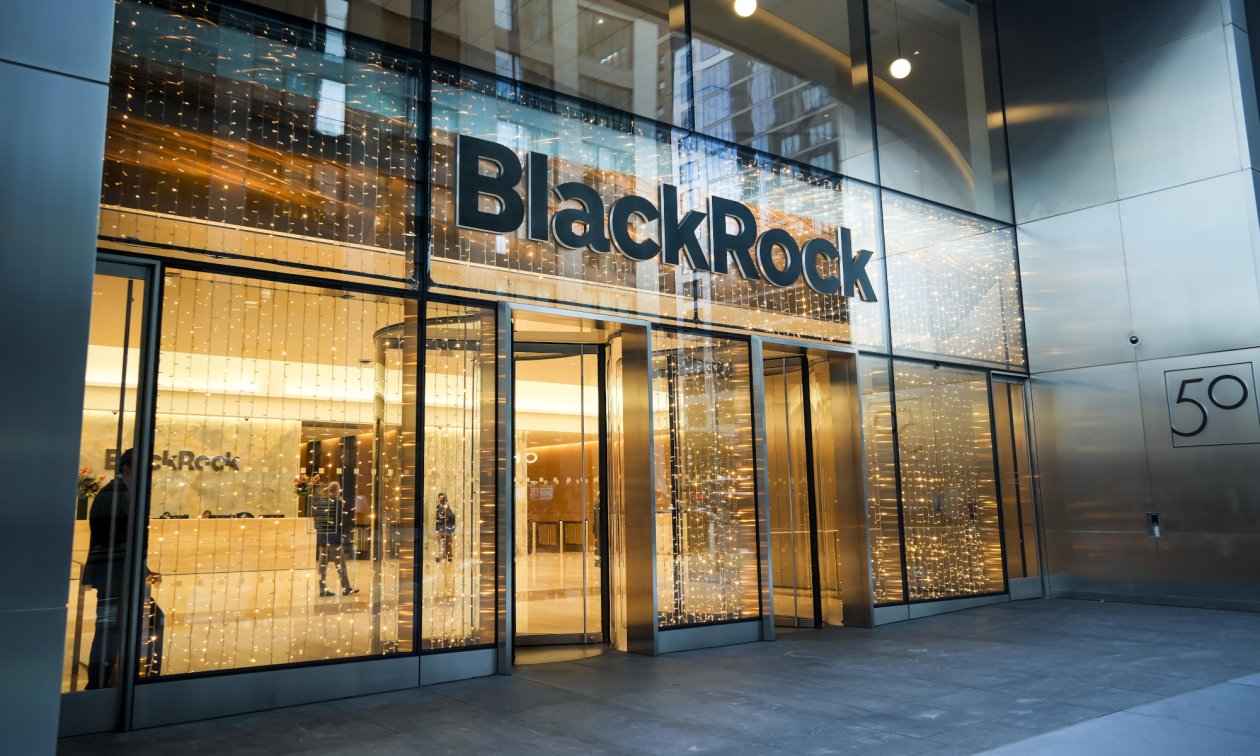
The paper trail is dying. Wall Street is cannibalizing its own back office to save basis points. Larry Fink’s latest missive on tokenization is not a suggestion. It is a structural ultimatum for the global financial system.
The Death of T-Plus-Two
Settlement cycles are a relic of the physical era. For decades, the industry has relied on a convoluted web of custodians, clearinghouses, and double-entry bookkeeping that takes forty-eight hours to resolve. This latency is expensive. It traps collateral. It creates counterparty risk that shouldn’t exist in a digital age.
BlackRock is moving toward atomic settlement. By moving securities onto a unified ledger, the trade and the transfer of ownership happen simultaneously. This is the technical core of the BUIDL fund and its successors. When a security is tokenized, the programmable logic of the smart contract handles the compliance, dividends, and voting rights. The middleman becomes a line of code.
Total Addressable Market for Tokenized Real World Assets
The scale of this shift is difficult to overstate. We are seeing the migration of the $130 trillion global bond market into digital wrappers. As of this week, the yield on tokenized U.S. Treasuries remains the primary magnet for on-chain liquidity. Institutional investors are no longer satisfied with stablecoins that provide zero return to the holder. They want the underlying yield of the risk-free rate, delivered with the composability of a crypto asset.
Institutional Asset Allocation in Tokenized Markets (February 26, 2026 Data)
The Liquidity Trap
Transparency is a double-edged sword. While tokenization promises efficiency, it also exposes the fragility of private credit markets. In the legacy system, illiquid assets stayed hidden in the shadows of quarterly reports. On-chain, the valuation is constant. The volatility is visible. This creates a feedback loop that the Federal Reserve is watching closely.
BlackRock’s pivot suggests they intend to be the primary liquidity provider for these new rails. By controlling the tokenization engine, they control the gate. They are not just managing assets. They are building the exchange, the custodian, and the clearinghouse into a single vertically integrated stack. This is a power grab disguised as a technological upgrade.
Market Comparison of Settlement Efficiency
| Asset Class | Legacy Settlement | Tokenized Settlement | Cost Reduction |
|---|---|---|---|
| US Treasuries | T+1 | Instant (Atomic) | 35% |
| Private Equity | Months | Minutes | 60% |
| Corporate Bonds | T+2 | Instant | 42% |
| Real Estate | 30-90 Days | Instant | 75% |
The Regulatory Shield
Compliance is the moat. The reason BlackRock is winning where others failed is their embrace of regulatory frameworks. They are not fighting the SEC. They are building tools that make the SEC’s job easier. Every tokenized share carries its own KYC/AML history. The regulator doesn’t need to audit the firm when they can audit the blockchain in real-time.
This is the end of anonymity for institutional capital. The trade-off for efficiency is total surveillance. For the largest asset manager in the world, this is an acceptable price. They are trading the friction of the old world for the dominance of the new one. The infrastructure is being rewired while the market sleeps.
Watch the March 15th deadline for the next batch of SEC filings regarding institutional RWA platforms. The data will likely show a 15% increase in sovereign wealth fund participation in tokenized money markets.