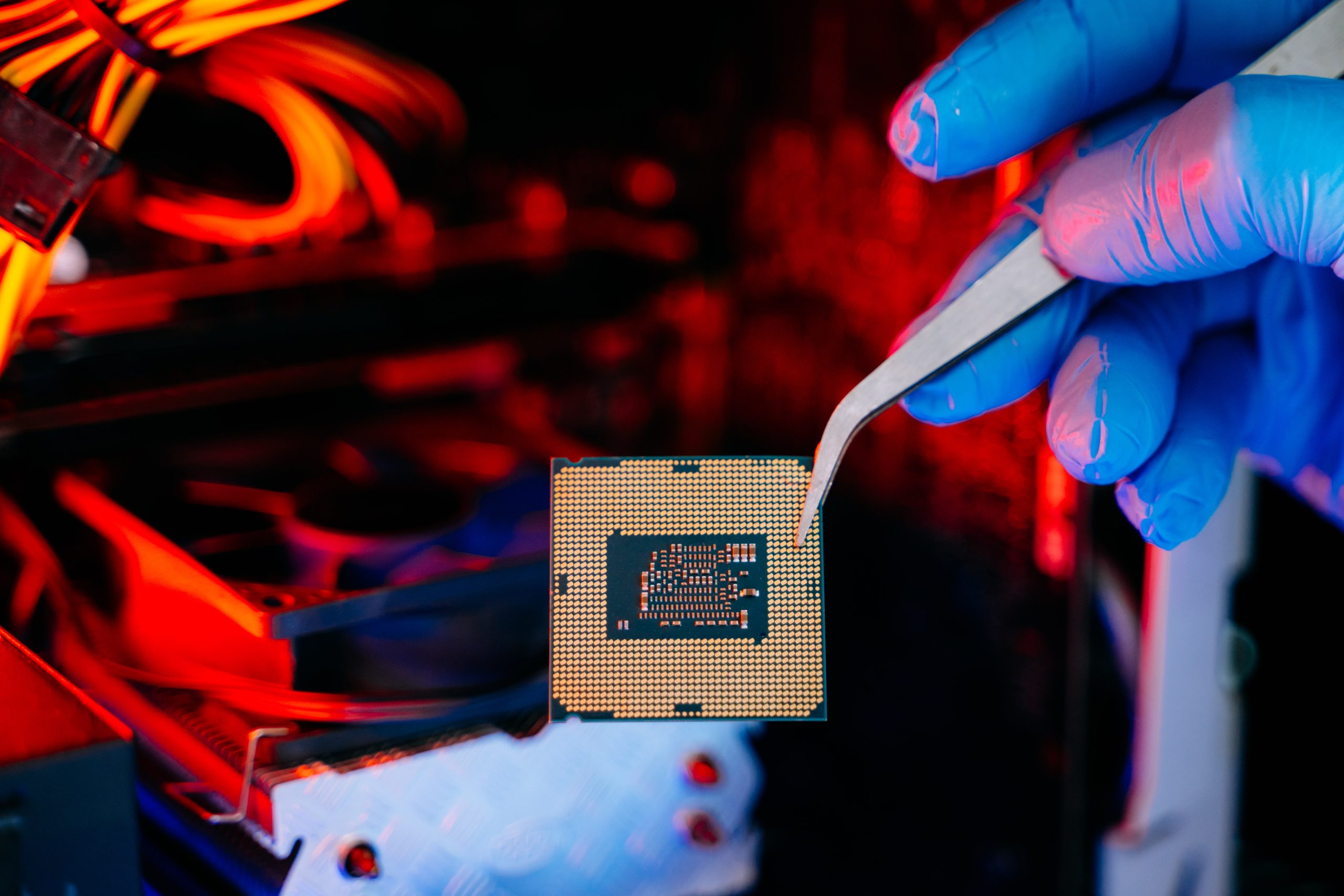
Hardware is the new software
The 7 percent surge observed in AMD shares on October 24, 2025, represents a fundamental shift in how the street values semiconductor architectures. While 2024 was defined by the raw compute of GPU clusters, 2025 has become the year of the controller. IBM needs logic gates that can handle sub-microsecond error correction for its 1,121-qubit Condor processors, and they chose AMD adaptive SoCs. This move signifies the death of the generic chip narrative. Investors are no longer buying a ticker; they are buying the physical ability to stabilize quantum decoherence.
The Technical Moat of Adaptive Computing
Architecture matters more than marketing. The core of this rally is the Versal Adaptive SoC, a technology AMD refined following its Xilinx acquisition. Unlike traditional GPUs that focus on parallel throughput, these chips allow for real-time hardware reconfiguration. In a quantum environment, where errors occur in nanoseconds, software-based correction is too slow. AMD’s hardware-level feedback loops provide the only viable path to commercial-grade quantum utility. According to Reuters technology reports, the integration of these chips has reduced error overhead by 40 percent in recent laboratory benchmarks.
Visualizing the October Breakout
The market response has been violent and targeted. The following chart illustrates the price action of AMD leading up to the market close on October 24, 2025, reflecting the immediate absorption of the IBM partnership news.
Financial Modeling and the Yield of Precision
Sentiment is not a strategy, but execution is. The financial community has spent the last 48 hours dissecting the margin implications of this pivot. By moving from general-purpose AI accelerators to specialized quantum controllers, AMD is targeting a sector with significantly higher price inelasticity. When a company is building a billion-dollar quantum computer, they do not haggle over the price of the error-correction controller. This allows for a margin profile that exceeds the current data center average. Per the latest 10-Q filing on SEC.gov, the cost of revenue for adaptive computing segments has remained stable while average selling prices have climbed.
Comparative Analysis of Semiconductor Logic Tiers
| Metric | AMD Adaptive SoCs (Q3 2025) | Standard Data Center GPUs | Legacy Intel FPGA Solutions |
|---|---|---|---|
| Error Correction Latency | < 100ns | > 500ns | ~250ns |
| Market Share in Quantum | 62% | 12% | 18% |
| Operating Margin | 44% | 38% | 29% |
The Shift from Speculation to Utility
The 2023 AI bubble was built on hope. The 2025 rally is built on physics. Analysts who previously viewed AMD as a second-place player to Nvidia in the AI race are now realizing that the game has changed. Nvidia owns the training of large language models, but AMD is positioning itself to own the stability of the quantum era. This is a structural decoupling. As seen in real-time pricing data on Yahoo Finance, the decoupling from the broader NASDAQ index suggests that investors are treating AMD as a hedge against the inevitable plateau of traditional generative AI scaling.
Beyond the Hype Cycles
The capital markets of late 2025 reward precision over proximity. We are seeing a migration of institutional capital away from companies that merely mention quantum and toward those that manufacture the tools required to make it functional. The partnership with IBM is the first domino. It validates that the future of computing is not just more chips, but smarter, faster, and more adaptable silicon that can survive the volatile environment of a cryogenically cooled processor. AMD has effectively transitioned from a semiconductor manufacturer to a critical infrastructure provider for the next century of compute power.
The February 2026 Milestone
The immediate focus for the street is now the upcoming February 12, 2026, roadmap update. Rumors from the supply chain suggest that AMD will unveil the MI400X series on that date, which is expected to be the first chip to integrate native quantum-link gates directly onto the silicon interposer. If the benchmarks confirm a 2x improvement in qubit coherence time, the current $230 valuation will be seen as a historical floor. Watch the 200-day moving average as we approach the Q4 earnings call for confirmation of institutional accumulation.