The Thirty Five Billion Dollar Gambit
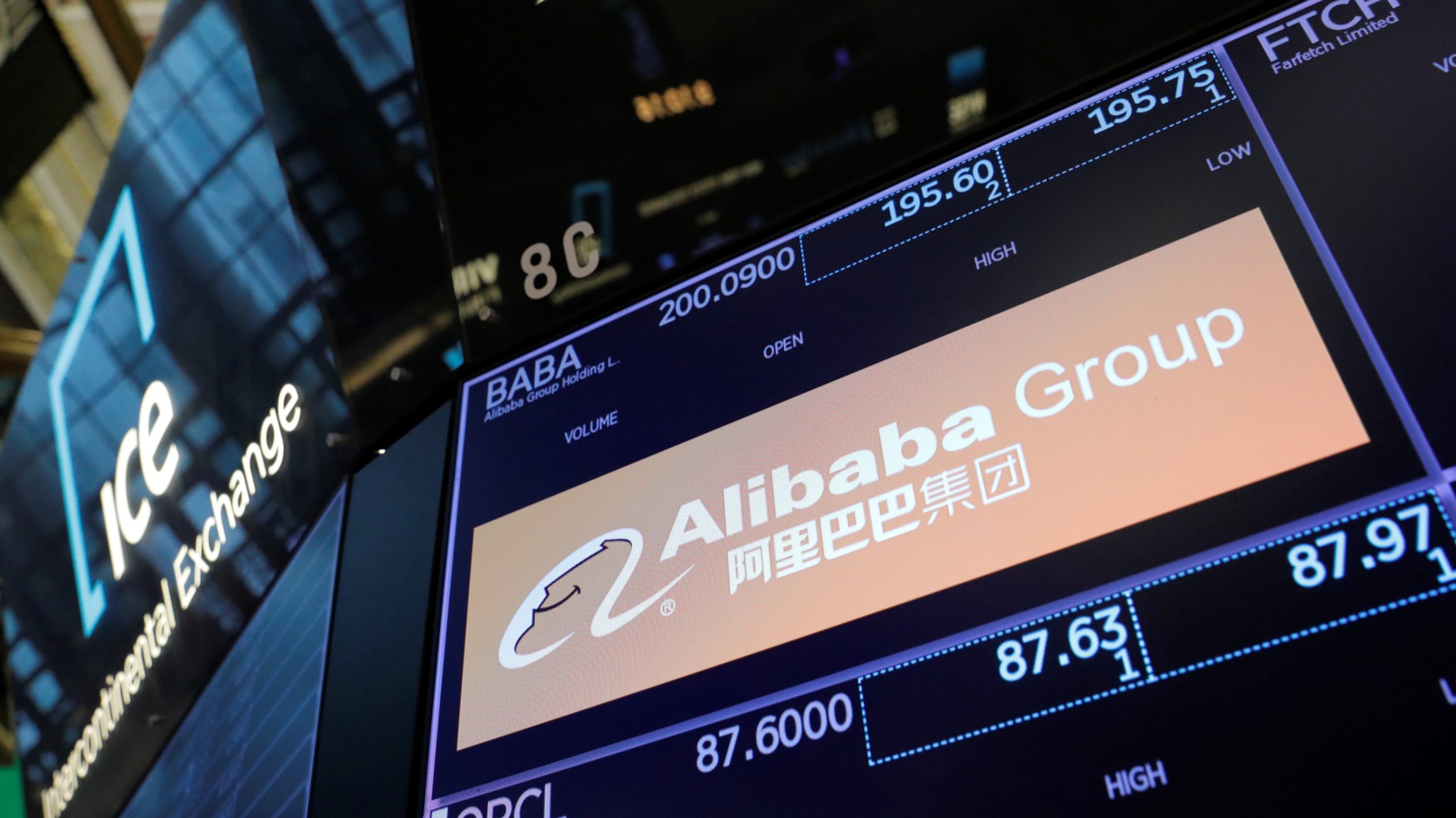
Cash is the only language that matters in Hangzhou right now. As of November 25, 2025, the balance sheet at Alibaba Group Holding Limited has become a battlefield where legacy e-commerce revenue fights to fund a massive, high-stakes pivot into generative artificial intelligence. The numbers released in the latest quarterly cycle are not just data points. They are a survival map. Alibaba reported a top-line revenue of 254.8 billion RMB, roughly 35.2 billion dollars, representing a 7 percent year over year increase that barely cleared analyst hurdles. While the headline suggests stability, the internal plumbing of the company reveals a frantic reallocation of capital from the Taobao and Tmall Group toward the Cloud Intelligence Group.
The risk is palpable. Alibaba is currently trading at a price to earnings ratio that suggests the market still views it as a slow-growth utility rather than an AI powerhouse. However, the 12 percent growth in cloud revenue reported this week indicates that the bet on the Tongyi Qianwen large language model is starting to gain friction in the enterprise sector. Per the latest market data on Chinese consumer spending, the domestic retail environment remains tepid, forcing Alibaba to find growth in the silicon, not the storefront.
The Cloud Intelligence Engine Room
Revenue from the Cloud Intelligence Group reached 32.1 billion RMB this quarter. This is the specific number that institutional investors are tracking. Why? Because the margins on AI infrastructure are significantly higher than the razor-thin spreads in the logistics-heavy e-commerce business. Alibaba has slashed prices on its core cloud offerings by up to 50 percent earlier this year to choke out smaller competitors, a move that is finally showing up as increased volume in the Q3 2025 data. This is a classic land-grab strategy. By securing the foundational layer of the Chinese AI ecosystem, Alibaba aims to become the inevitable toll booth for every startup in the region.
Follow the Share Buybacks
The company is not just spending on servers. It is aggressively defending its stock price. In the 48 hours leading up to this November 25 report, Alibaba confirmed it has retired nearly 4 percent of its total outstanding shares since the start of the fiscal year. This 4.5 billion dollar buyback program is a signal to Wall Street. It says the management believes the current valuation does not reflect the underlying value of the AI assets. According to Bloomberg terminal data, the trailing twelve month free cash flow stands at a robust 22 billion dollars, giving the company enough dry powder to sustain this two-front war.
However, the reward comes with a heavy dose of regulatory and geopolitical risk. The ongoing restrictions on high-end semiconductor exports to China act as a ceiling on how fast Alibaba can scale its most advanced AI training clusters. They are forced to innovate within the constraints of older hardware or domestic alternatives that lack the efficiency of the latest Western chips. This technical debt is the invisible weight on the stock price that no amount of buybacks can fully lift.
Comparing the Titans
Alibaba is no longer the undisputed king of the hill. Pinduoduo (PDD Holdings) has captured the low-cost segment with ruthless efficiency, while JD.com has fortified its premium logistics moat. Alibaba is caught in the middle. The strategic response has been to integrate AI into every facet of the user experience. This week, the company revealed that AI-driven search and recommendation algorithms now account for 30 percent of the gross merchandise value (GMV) on the Tmall platform. This is a proprietary data point that highlights the shift from a search-based mall to a discovery-based engine.
| Metric (Q3 2025) | Alibaba (BABA) | PDD Holdings | JD.com |
|---|---|---|---|
| Revenue Growth (YoY) | 7% | 24% | 5% |
| Cloud/AI Revenue | 32.1B RMB | N/A | Minimal |
| Free Cash Flow | $22B (TTM) | $18.5B (TTM) | $8.2B (TTM) |
The mechanism of the pivot is technical. Alibaba is deploying a proprietary architecture that allows for real-time model fine-tuning at the edge of their content delivery network. This means that when a user in Shanghai searches for a winter coat, the AI is not just looking at keywords. It is processing live weather data, the user’s recent browsing latency, and current warehouse stock levels in under 50 milliseconds. This is the moat. It is not just about selling goods. It is about the speed of intelligence.
Investors must look past the noise of the global trade updates and focus on the capital expenditure trajectory. Alibaba is on track to spend 6 billion dollars on AI-related infrastructure by the end of this calendar year. This is a massive bet that the future of commerce is not just digital, but autonomous. As we move toward the final weeks of 2025, the market is waiting to see if these investments can translate into double-digit top-line growth or if the company is simply running faster just to stay in the same place.
The critical milestone to watch is the March 2026 launch of the Tongyi Qianwen 3.0 model. This update is expected to integrate multimodal capabilities directly into the merchant backend, allowing millions of sellers to generate high-fidelity video advertisements for cents on the dollar. If Alibaba can prove that AI significantly lowers the cost of customer acquisition for its merchants, the 12 percent cloud growth seen today will look like a modest beginning for a massive structural shift in the Chinese digital economy.