The end of the subscription era
The consensus is dead. It usually is. As BlackRock convenes its biannual Investment Forum this week, the mood in the room is not one of celebration despite the S&P 500 hitting record highs. The focus has shifted from the broad AI rally to a brutal, surgical dissection of the software sector. For a decade, the enterprise software model was the ultimate cash cow. High gross margins. Sticky recurring revenue. Seat based licensing. That model is now a liability. Artificial intelligence is not just augmenting software. It is displacing it. Per recent Bloomberg analysis, the valuation gap between AI infrastructure and legacy SaaS has reached a breaking point. When an AI agent can perform the work of five junior analysts, the enterprise does not need five Salesforce seats. It needs one API connection. This is the structural erosion of the software moat.
Valuation compression meets agentic reality
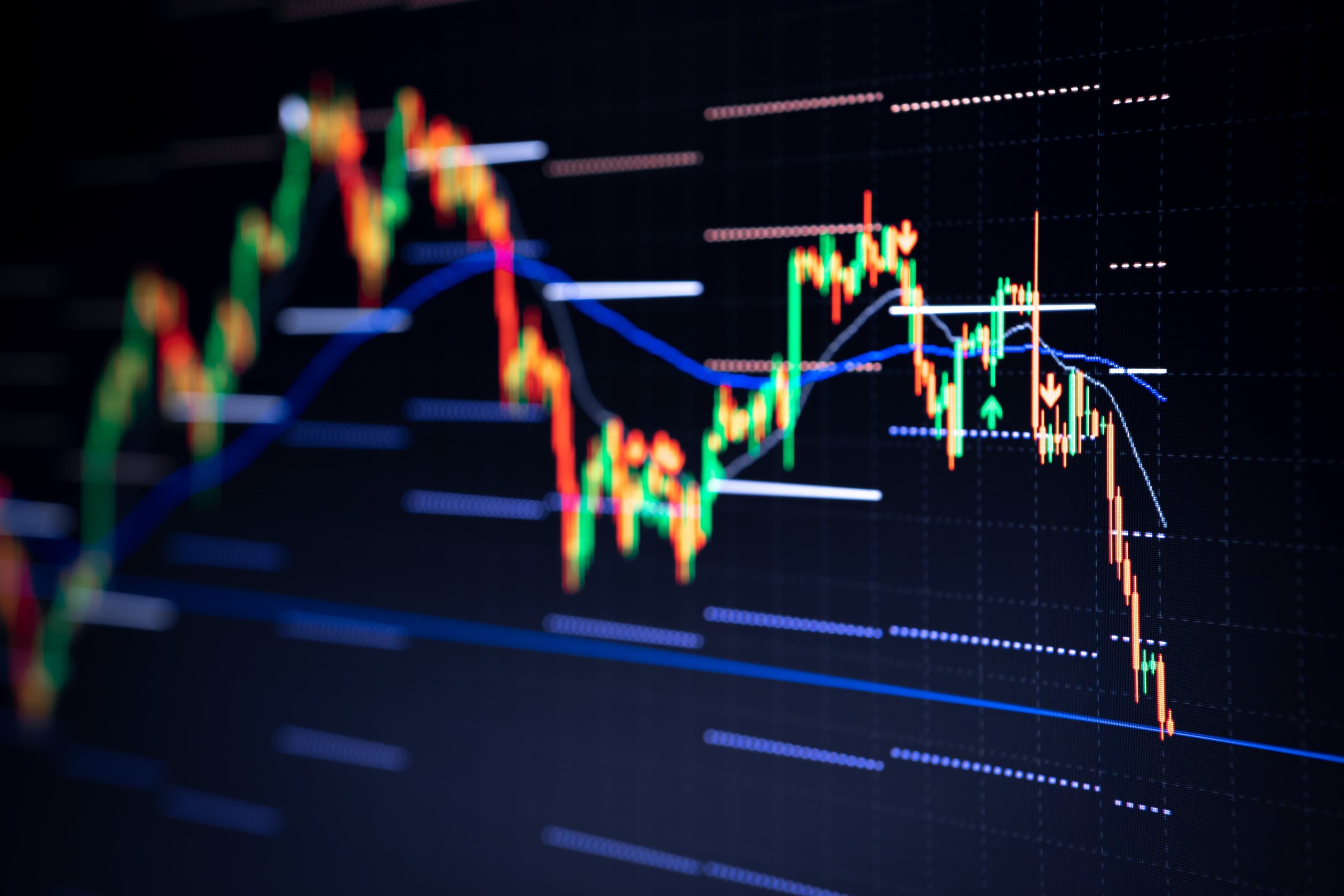
The numbers do not lie. Investors are fleeing companies whose business models depend on human headcount. We are witnessing a historic multiple crossover. Historically, pure play software commanded a premium P/S ratio over broad technology. That premium has vanished. According to data from Reuters, the software sector has seen its forward multiples compressed by 30 percent since the start of the year. Meanwhile, the “buildout” phase of AI continues to favor those who own the physical infrastructure. The market is now rewarding “HALO” sectors. Heavy Assets Low Obsolescence. If you cannot digitize it, it is safe. If it exists only as code, it is vulnerable. The shift from seat based pricing to usage based models is a desperate attempt to catch a falling knife. Most firms are finding that usage revenue does not replace the lost stability of the subscription engine.
The Strait of Hormuz and the energy tax
Geopolitics has returned as a primary macro driver. The effective closure of the Strait of Hormuz has transformed a regional conflict into a global energy tax. Brent crude is currently hovering near $95 per barrel. The impact is not uniform. While gasoline prices are high, the real pain is in the middle distillates. Diesel and jet fuel prices have surged by over 50 percent year over year. The U.S. Energy Information Administration reports that 14 percent of the global oil supply is currently offline. This is the scarcity that BlackRock refers to in its midyear outlook. It is a supply side shock that central banks cannot fix with interest rate tweaks. The “Micro is Macro” theme is playing out in real time. Individual supply chain disruptions in the Middle East are dictating the terminal rate for the Federal Reserve.
Mega forces and the scarcity trade
We are entering a world defined by physical constraints. For three decades, the global economy benefited from the “peace dividend” and endless globalization. That era is over. The mega forces BlackRock tracks—geopolitical fragmentation, aging populations, and the low carbon transition—are all inflationary. They require massive capital investment in a high interest rate environment. This is why the “HALO” trade is winning. Investors are rotating into utilities, materials, and energy. These companies own the physical bottlenecks of the new economy. They are the beneficiaries of the AI buildout because AI requires power, cooling, and physical space. The digital revolution is finally hitting the physical wall.
| Asset Class | Current Price | YTD Change | P/E Ratio (FWD) |
|---|---|---|---|
| Software (IGV) | $78.40 | -12.4% | 22.1x |
| AI Hardware (SOXX) | $312.15 | +48.2% | 34.5x |
| Brent Crude | $94.98 | +31.6% | N/A |
| S&P 500 (SPY) | $552.10 | +6.1% | 21.8x |
The market is currently pricing in a quick resolution to the Hormuz blockade. That is a dangerous assumption. Iranian sea mines in the strait must be physically cleared before tankers can resume normal operations. This process will take months, not weeks. Even if a ceasefire is signed tomorrow, the physical supply problem remains. The next milestone for the market is the June 9 release of the Short Term Energy Outlook. If the EIA confirms that global inventories have drawn down by more than 2.5 million barrels per day, expect a second leg up in crude. The software apocalypse and the energy shock are two sides of the same coin. One is the destruction of digital rent seeking. The other is the return of physical reality.