The resilience is gone
Markets are staring into a void of contradictory data. The World Economic Forum recently noted that the global economy entered this year looking resilient. That narrative is now crumbling. Five months of fiscal friction have turned a clear sky into a fog of uncertainty. The upcoming Annual Meeting of the New Champions in Dalian, China, arrives at a moment of profound systemic fragility. This is not the victory lap many expected in January. It is a desperate search for a pulse in a global growth engine that is running on fumes.
Growth is stalling. Central banks are paralyzed. The optimism that defined the first quarter has been replaced by a cold realization. High interest rates are not just a temporary hurdle. They have become a structural weight. The Dalian summit, often called Summer Davos, will attempt to pivot the conversation toward technological frontiers. But the frontiers do not matter if the foundation is sinking. The data from the last 48 hours confirms a widening gap between market expectations and industrial reality.
The liquidity trap deepens
Capital is not flowing where it is needed. It is hiding in high-yield cash equivalents and short-term debt. This is the classic liquidity trap. Investors are spooked by the persistent core inflation figures coming out of the Eurozone and the United Kingdom. According to recent reports from Reuters, manufacturing activity across the continent has dipped back into contraction territory. The resilience the WEF cited was a mirage built on post-pandemic backlog. That backlog is gone.
China remains the largest variable in the equation. The Dalian meeting is a symbolic choice. It places the global elite in the heart of a nation struggling to recalibrate its growth model. The property sector in China remains a drag on domestic consumption. While Beijing has attempted several stimulus rounds, the multiplier effect is diminishing. We are seeing a divergence in global performance that makes a unified recovery impossible. The United States is fighting a battle against its own fiscal deficit, while the rest of the world fights a battle against the dollar’s dominance.
Visualizing the Growth Divergence
The following data represents the revised GDP growth projections for the second half of the year as of June 1. The variance between developed and emerging markets has never been more pronounced.
The Dalian Agenda vs Reality
The theme for the Dalian summit is Next Frontiers for Growth. It is a forward-looking title designed to distract from the present. The 1,500 leaders attending will talk about artificial intelligence and green energy. These are important sectors, but they do not solve the immediate debt crisis. Global debt levels have reached a point where service costs are cannibalizing infrastructure investment. Per the latest analysis from Bloomberg, the cost of servicing sovereign debt in emerging markets has risen by 15 percent in the last year alone.
Technology is not the panacea the WEF suggests. While AI has driven stock market valuations in the US, the productivity gains have yet to manifest in the broader economy. We are seeing a valuation bubble that is decoupled from actual output. In Dalian, the focus will be on how to harness these technologies. The real question should be how to prevent them from further concentrating wealth in a few tech hubs while the rest of the global economy stagnates.
| Region | Debt-to-GDP Ratio | Consumer Confidence Index | Industrial Output (YoY) |
|---|---|---|---|
| North America | 122% | 104.2 | +1.2% |
| European Union | 89% | 96.5 | -0.4% |
| East Asia | 280% | 91.2 | +3.8% |
| South Asia | 65% | 112.5 | +7.1% |
The fractured trade landscape
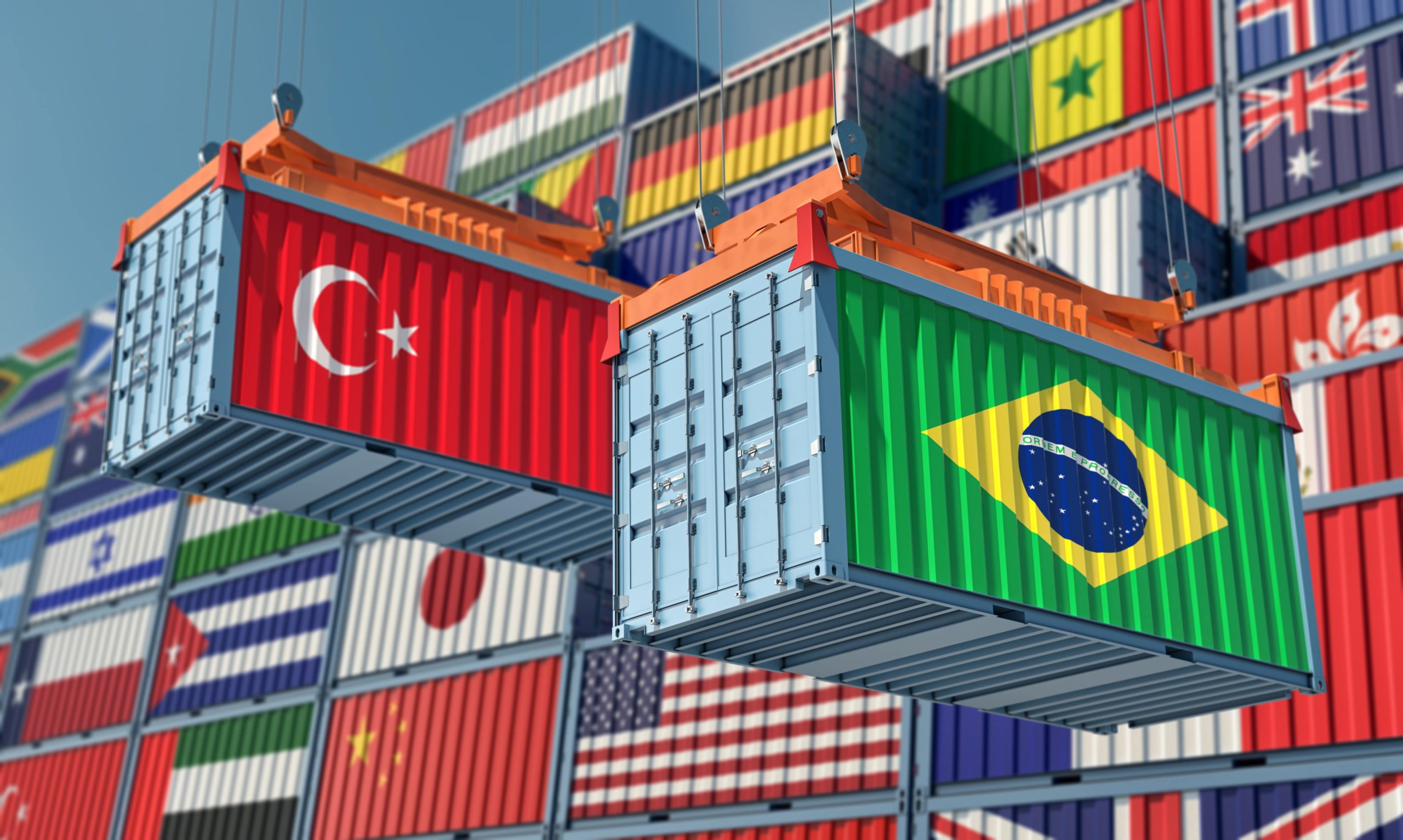
Trade is no longer about efficiency. It is about security. The Dalian meeting will likely see a lot of rhetoric about cooperation, but the reality on the ground is protectionism. We are seeing the rise of trade blocs that are increasingly hostile to one another. The resilience of the early year was a result of companies front-loading orders to avoid new tariffs. Now that those orders are filled, the shipping lanes are quiet. This is the harder to read picture the WEF is referencing.
Supply chains are being rewired. This rewiring is expensive. It is inflationary. It is the reason why central banks cannot cut rates as quickly as the markets demand. The Dalian summit will host leaders from over 100 countries, but the consensus is missing. Each nation is looking inward. The New Champions are not global conglomerates anymore. They are regional powerhouses protected by local subsidies. This fragmentation is the primary threat to the global economy in the second half of the year.
The next milestone
The Dalian summit begins on June 23. This is the date to watch. It will be the first time since the spring volatility that we see a major gathering of both Western and Eastern economic planners. The market will be looking for any sign of a coordinated stimulus or a de-escalation in trade tensions. If the summit ends with nothing but vague platitudes about innovation, expect the current market drift to turn into a sell-off. The data point that will define the rest of the month is the June 15 release of the Global Manufacturing PMI. If that number continues its downward trend, the Dalian meeting will feel less like a frontier and more like a funeral for the old economic order.