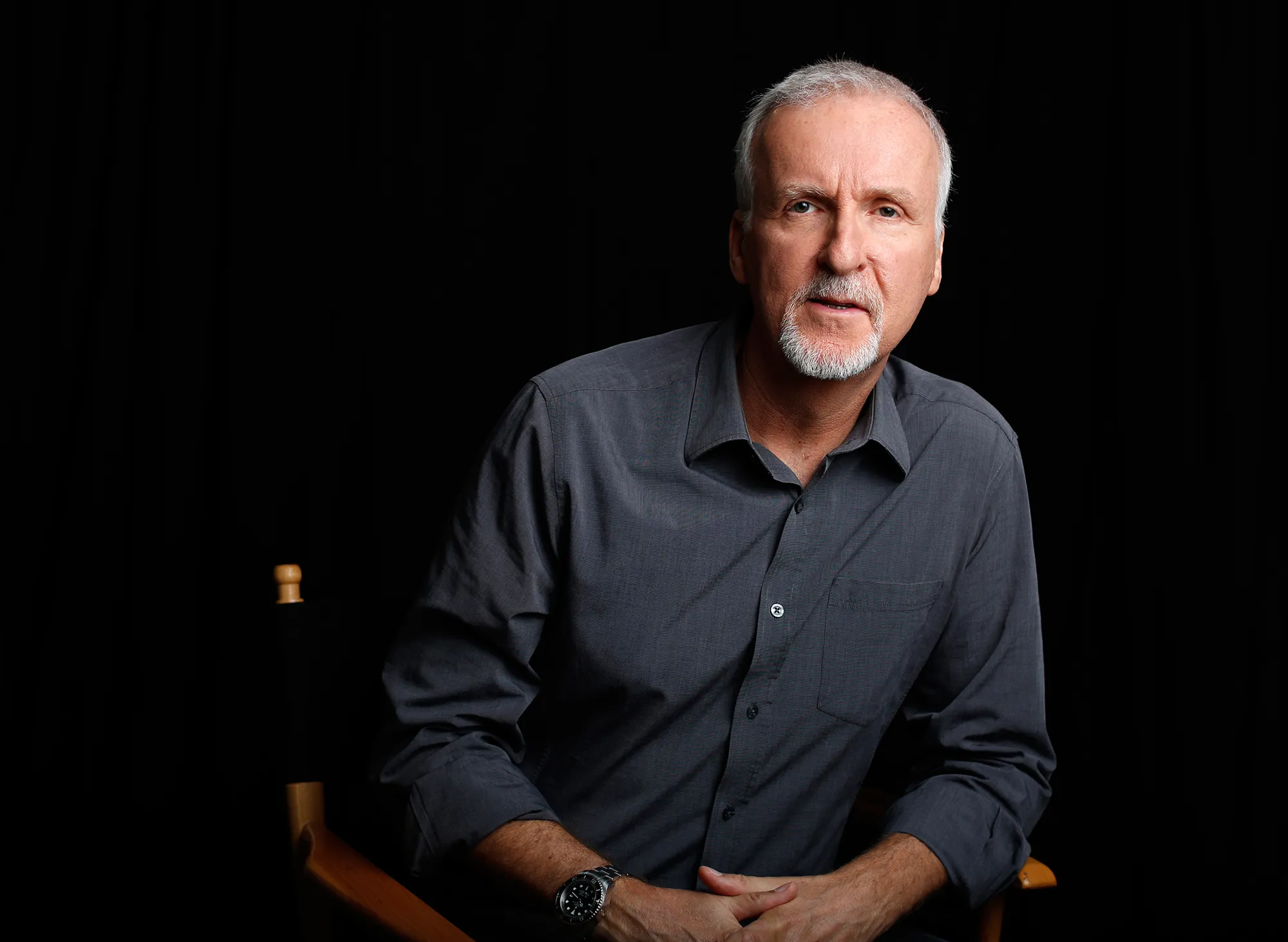
The roster for the CNBC GamePlan26 Summit just gained its heaviest hitter. LeBron James is confirmed for the stage. This is not a victory lap for a basketball career nearing its twilight. It is a strategic deployment of brand equity into the hardening veins of institutional finance. The announcement comes as the sports investment landscape undergoes a violent restructuring. Traditional venture capital is retreating. Athlete-led family offices are filling the void.
The Sovereign Wealth of the Individual
The money is changing. It is moving from simple endorsement checks to complex equity structures. James has spent the last decade building a blueprint for what we now call the Player-Owner model. His presence at GamePlan26 signals that this model is no longer an outlier. It is the new benchmark for private equity in the media and consumer sectors. Per recent reports from Bloomberg, athlete-led investment vehicles have seen a 40% year-over-year increase in assets under management as of May 2026.
The mechanism is simple but the execution is technical. These athletes are not just writing checks. They are leveraging their cultural distribution networks to lower the Customer Acquisition Cost for their portfolio companies. In a high-interest-rate environment, where capital is expensive, a built-in audience of 150 million followers is a massive liquidity premium. This is the financialization of fame. It is a hedge against the volatility of traditional markets.
Venture Capital Assets Under Management by Athlete-Led Entities
Growth of Athlete-Led Venture Capital Assets Under Management (2022-2026)
The Cost of Capital and the Celebrity Premium
Market conditions on May 28 are tight. The 10-Year Treasury yield is hovering near 4.2 percent. This puts immense pressure on traditional General Partners to deliver alpha. Athlete-investors like James are circumventing the traditional GP/LP structure. They are acting as their own sovereign wealth funds. By using Special Purpose Vehicles, they can move faster than institutional committees. They are buying into distressed media assets and tech startups at valuations that would make a Silicon Valley veteran blush. They are not buying the technology. They are buying the rights to integrate that technology into their own ecosystems.
The technical risk remains high. Concentration risk is the primary concern for these portfolios. Many of these funds are heavily weighted toward consumer-facing brands that rely on the athlete’s personal reputation. If the brand falters, the portfolio bleeds. However, as Reuters noted in their morning briefing, the diversification of James’s SpringHill Company into production and commerce has created a vertical integration that most traditional PE firms envy.
| Entity Name | Lead Athlete | Primary Sector | Estimated AUM (Billions) |
|---|---|---|---|
| SC Holdings | Kevin Durant | Technology / Media | $1.45 |
| SpringHill Co | LeBron James | Content / Commerce | $0.92 |
| TMRW Sports | Tiger Woods | Sports Technology | $0.65 |
| Seven Seven Six (Partner) | Serena Williams | Early Stage Tech | $0.88 |
The Liquidity Trap and the GamePlan26 Agenda
The GamePlan26 Summit is where the exit strategies will be debated. We are seeing a shift from growth-at-all-costs to a focus on EBITDA. James and his peers are being forced to prove that their influence translates to the bottom line. It is no longer enough to be a “brand ambassador.” The market is demanding cash flow. The cynical view is that these summits are merely networking events for the elite. The reality is that they are the primary marketplace for the next generation of media rights and distribution deals.
Watch the secondary markets closely. We are seeing an uptick in private equity firms looking to buy out athlete stakes in mid-cap consumer companies. This suggests that the “celebrity premium” is being quantified and traded as a distinct asset class. The next major data point to monitor will be the Q3 SEC filings for institutional holdings in sports-tech conglomerates. These filings will reveal if the smart money is following James into the arena or if they are waiting for a correction in the celebrity-equity bubble.
The immediate focus turns to the June 15 Federal Reserve meeting. Any shift in the interest rate trajectory will directly impact the leverage these athlete-led funds can utilize for their summer acquisition targets.