The Memory Monopoly
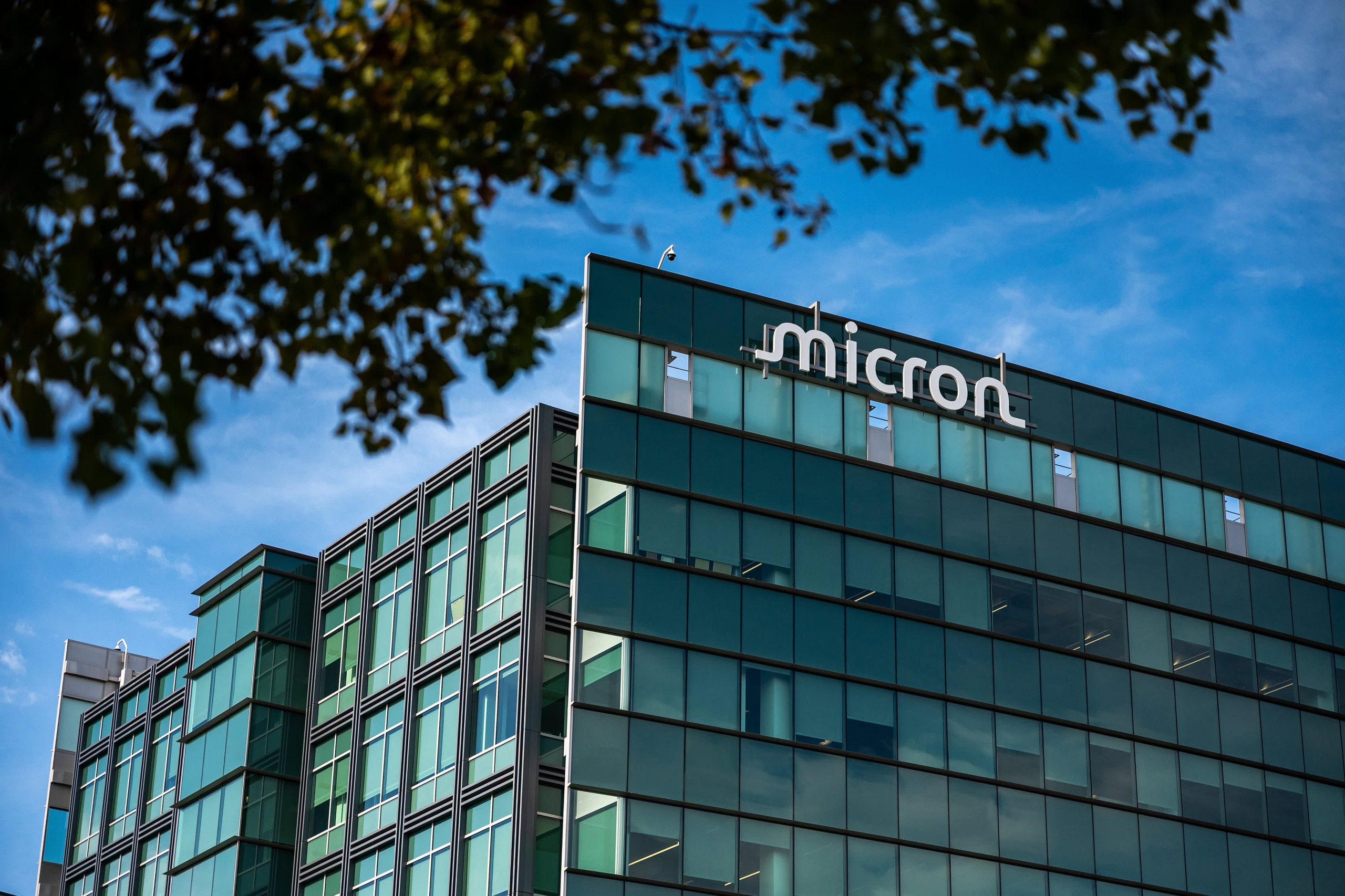
The old rules of the semiconductor cycle are dead. For decades, Micron Technology was the quintessential boom-bust play. It lived and died by the price of commodity DRAM. When supply was tight, margins exploded. When the market overproduced, the stock cratered. That cycle has been shattered by the insatiable demands of artificial intelligence. Micron is no longer trading like a memory stock. It is trading like a critical infrastructure monopoly. The data is staggering. Micron has surged more than 860 percent over the past 12 months. It has outperformed the PHLX Semiconductor Sector (SOX) by nearly 700 percentage points. This is the widest gap in weekly data since 1995. The market is finally pricing in a reality that hardware engineers have known for months. Memory is the chokepoint.
The Physics of the Chokepoint
Compute power is nothing without data throughput. You can build the fastest GPU in the world, but if the memory cannot feed it data fast enough, the processor sits idle. This is the ‘memory wall’ that has haunted computer architecture for years. High Bandwidth Memory (HBM) is the solution. Specifically, HBM3E has become the most valuable real estate in the data center. Unlike standard DDR5, HBM3E uses vertical stacking. It places layers of DRAM directly on top of the processor or in close proximity using advanced packaging. This reduces latency and massive increases bandwidth. Micron has successfully pivoted its production lines to prioritize these high-margin stacks. Per reports from Reuters, the demand for HBM3E is currently outstripping supply by a factor of three to one. This is not a temporary spike. It is a structural shift in how AI clusters are built.
Micron vs SOX Index Performance (May 2025 – May 2026)
The Death of Commodity Pricing
Capital is fleeing the laggards. In previous cycles, Samsung and SK Hynix would flood the market with supply to crush Micron’s margins. That playbook is failing. The complexity of HBM4 development has created a technical barrier that capital alone cannot bridge. Micron has secured a technical lead in power efficiency. Their HBM3E consumes 30 percent less power than competing chips. In a world where data centers are limited by power grids, 30 percent is the difference between a viable project and a stranded asset. Institutional investors are treating Micron as a software-like utility rather than a hardware manufacturer. According to analysis on Yahoo Finance, the forward price-to-earnings ratios for memory makers are being completely recalibrated. The volatility remains, but the floor has moved significantly higher.
Supply Chain Cannibalization
The pivot to HBM has a secondary effect. It is cannibalizing the supply of standard DRAM. To produce one gigabit of HBM, manufacturers require nearly three times the wafer capacity of standard DDR5. This is creating a massive supply crunch in the PC and smartphone markets. Even as AI server demand soars, the traditional electronics market is facing a forced price hike. Micron is effectively squeezing the entire ecosystem. They are choosing to sell high-margin AI chips while letting the commodity market starve. This strategic scarcity is driving up blended Average Selling Prices (ASPs) across the board. It is a masterclass in market leverage.
Inventory as a Weapon
Watch the inventory levels. In 2023, high inventory was a death sentence. In May 2026, inventory is a strategic reserve. Micron is holding back supply to ensure they can meet the massive orders expected for the next generation of Blackwell-class and Rubin-class chips. The balance sheet has never looked cleaner. Debt is being retired. Free cash flow is at record levels. The cynicism of the bears has been replaced by a quiet desperation to get back into the trade. Every dip is being bought with institutional aggression. The technicals are overextended, yet the fundamentals suggest the peak is still over the horizon.
Comparative Market Metrics
The following table illustrates the divergence in key performance indicators between the top three memory producers as of late May 2026.
| Metric | Micron (MU) | SK Hynix | Samsung Electronics |
|---|---|---|---|
| 12-Month Stock Return | 860% | 410% | 115% |
| HBM3E Market Share (Est.) | 38% | 45% | 17% |
| Power Efficiency Advantage | 30% Lead | Baseline | 15% Lag |
| Forward P/E Ratio | 28.5x | 19.2x | 14.1x |
The Path to HBM4
The next battleground is already defined. HBM4 is the milestone that will determine the winners of the late 2020s. Micron has already begun sampling its 12-layer and 16-layer HBM4 stacks with key partners. The integration of logic layers directly into the memory stack will further blur the lines between compute and storage. Investors should ignore the noise of the daily tape. The only metric that matters for the next six months is the qualification yield of HBM4 at the 12-layer density. If Micron hits its internal yield targets of 75 percent by the end of Q3, the current valuation will look like a bargain. Watch the September 2026 production ramp updates for the first confirmed HBM4 shipping volumes.