The Tokyo Renaissance Gains Momentum
Capital is flooding back into Tokyo. The Morgan Stanley and MUFG Japan Summit confirmed it yesterday. Seth Carpenter, Global Chief Economist, sees a structural pivot. Japan is no longer the deflationary anchor of the global economy. It is now a high-beta play on global growth and energy resilience. The narrative has shifted from stagnation to survival and growth.
The Yen is bleeding. Energy costs are the knife. Japan imports nearly 90 percent of its energy requirements. A spike in LNG prices hits the trade balance immediately. This creates a critical feedback loop with the currency. When energy costs rise, the trade deficit widens. The Yen weakens. This makes imports even more expensive. It is a technical trap that the Bank of Japan must navigate with surgical precision. Per the latest Reuters market data, the pressure on the trade balance remains the primary headwind for Japanese equities.
The Energy Shock Transmission Mechanism
Energy sensitivity is the new volatility. For decades, Japan enjoyed low energy prices and stable supply chains. That era is dead. The current macro environment forces a re-evaluation of industrial margins. Manufacturers are passing costs to consumers for the first time in a generation. This is the ‘virtuous cycle’ the Bank of Japan has chased for thirty years. It arrived through the back door of a global supply shock.
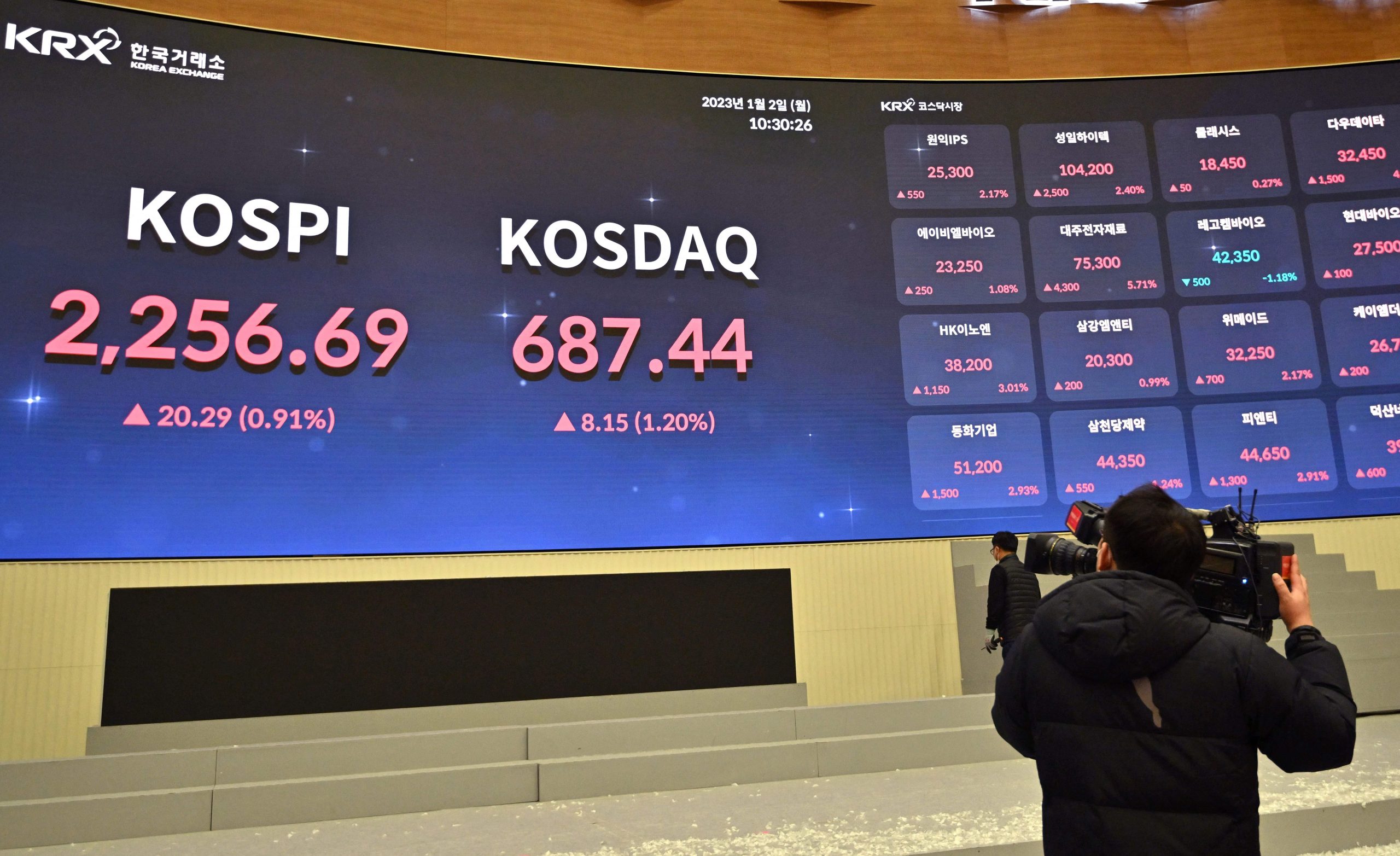
Japan’s bullish outlook is not a fluke of currency depreciation. It is a result of fundamental corporate governance reform. Companies are hoarding less cash. They are returning value to shareholders. This structural shift is attracting institutional flows that previously ignored the Nikkei. According to Bloomberg’s equity analysis, foreign ownership of Japanese blue-chips has reached a decade high this month. The summit highlighted that Japan is the only major developed market offering positive real growth with manageable inflation.
Asian Energy Import Dependency Index
Macroeconomic Indicators for the Japanese Market
The following table outlines the current state of the Japanese economy as discussed at the MS/MUFG Summit. These figures represent the baseline for the bullish thesis presented by Seth Carpenter.
| Indicator | Current Value | 12-Month Change |
|---|---|---|
| Nikkei 225 Index | 42,150 | +18.4% |
| 10-Year JGB Yield | 1.12% | +45 bps |
| Core CPI (YoY) | 2.8% | +0.6% |
| USD/JPY Exchange Rate | 154.40 | -8.2% |
The Geopolitical Arbitrage
Asia’s exposure to energy shocks is asymmetrical. While Japan and South Korea suffer from import reliance, they gain from the relative stability of their political systems. This is the geopolitical arbitrage. Investors are pulling capital from volatile emerging markets and parking it in Tokyo. The summit participants noted that the ‘Japan Premium’ is returning. This isn’t the premium of the 1980s bubble. It is a premium for stability in a fractured world. Technical data from Yahoo Finance indicates that Japan is outperforming its regional peers on a risk-adjusted basis.
Institutional investors are no longer asking if they should be in Japan. They are asking how much they can afford to miss. The energy shock is a catalyst for efficiency. It forces the ‘zombie companies’ of the past to either adapt or dissolve. This creative destruction is the final stage of Japan’s economic normalization. The focus now shifts to the Bank of Japan’s June policy meeting. Watch the 10-year JGB yield cap for the next signal of structural change. If the 1.2 percent level breaks, the transition to a high-rate environment is irreversible.