The silicon rush has a new poster child.
Cerebras Systems is testing the limits of investor appetite. As of May 13, 2026, the artificial intelligence infrastructure trade has reached a fever pitch. The company’s impending initial public offering is no longer just a financial event. It is a referendum on the architecture of the future. While the market remains obsessed with traditional GPU clusters, Cerebras is betting on the sheer scale of the individual wafer. This is a high-stakes play against the gravity of physics and the dominance of established players.
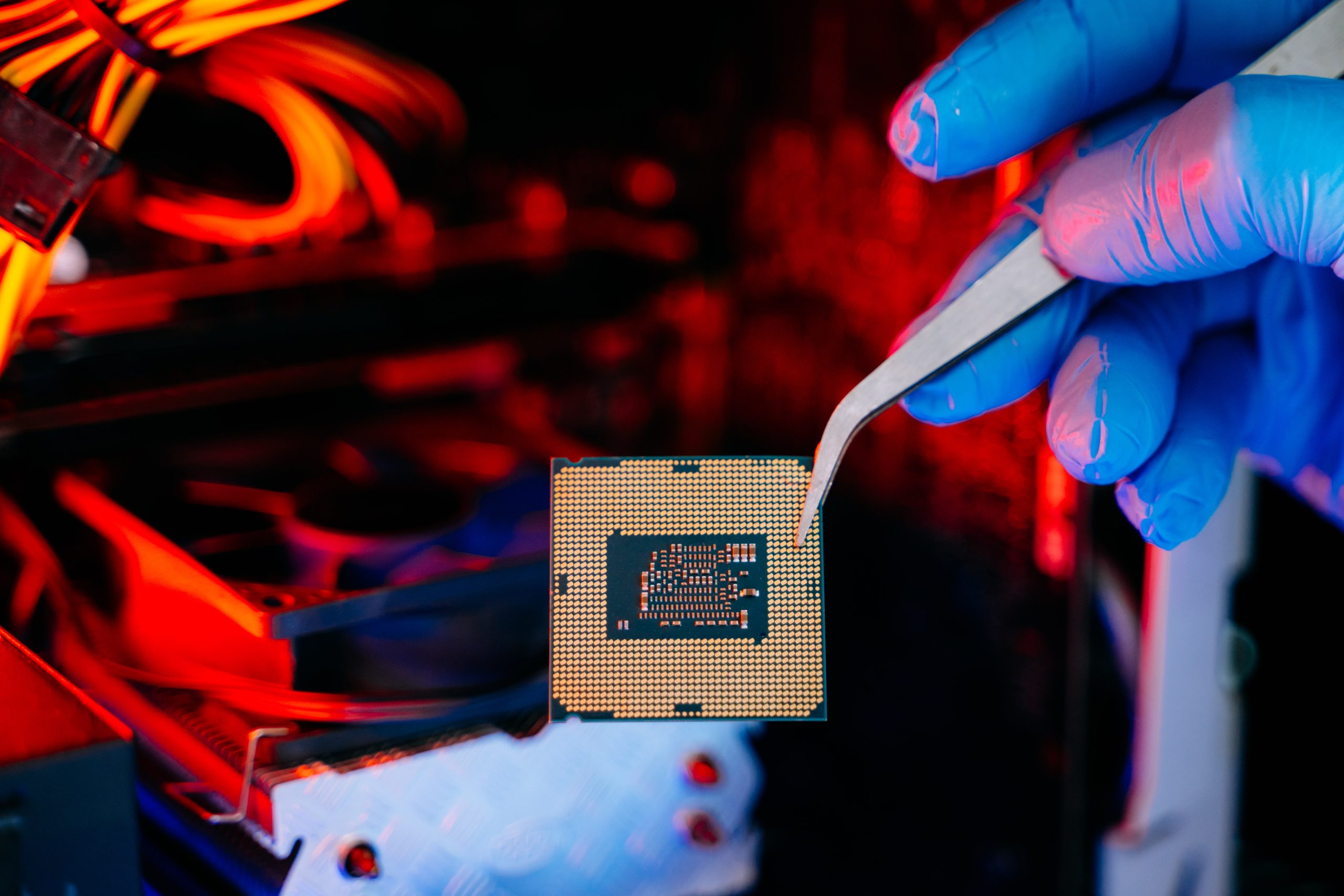
The technical proposition is staggering. Most chips are cut from silicon wafers like cookies from dough. Cerebras keeps the wafer whole. Their Wafer Scale Engine 3 (WSE-3) is a single piece of silicon containing 4 trillion transistors. This eliminates the traditional bottleneck of chip-to-chip communication. In a standard data center, data must travel across copper traces and optical fibers between thousands of small chips. This creates latency. It consumes massive amounts of power. Cerebras keeps the data on-chip. The result is a computational density that makes traditional server racks look like relics of the mainframe era.
The Concentration Risk Problem
Financial reality is less elegant than the engineering. Per recent Reuters reports on semiconductor valuations, the market is beginning to question the sustainability of triple-digit growth rates. Cerebras faces a significant hurdle in its revenue mix. A massive portion of its current backlog is tied to Group 42 (G42), the Abu Dhabi-based AI firm. This level of customer concentration is a red flag for institutional desks. If the geopolitical winds shift or G42 pivots its strategy, the Cerebras revenue floor collapses. Investors are weighing this risk against the potential for a technical breakout that could disrupt the current GPU hegemony.
The competition is not standing still. Nvidia has moved beyond being a mere chip designer. It is now a full-stack platform company. The launch of the Blackwell architecture earlier this year solidified their grip on the enterprise market. Software remains the ultimate moat. Nvidia’s CUDA platform has millions of developers locked into its ecosystem. Cerebras must convince these developers that the performance gains of wafer-scale computing outweigh the friction of migrating to a new software stack. This is a tall order in an industry where speed-to-market is the only metric that matters.
Visualizing the Transistor Gap
To understand why Cerebras is attracting such a massive valuation despite the risks, one must look at the raw hardware disparity. The following data visualizes the transistor count of the leading AI processors available on the market as of May 13, 2026.
Transistor Count Comparison: WSE-3 vs. Industry Standard GPUs (Billions)
The Cost of Innovation
Manufacturing these giants is a logistical nightmare. Yield rates for traditional chips are high because a single defect only ruins one small die. A defect on a wafer-scale engine can potentially compromise a much larger area. Cerebras has spent years perfecting a self-healing architecture that routes around these defects. However, the cost of production remains astronomical. According to Bloomberg’s analysis of AI hardware margins, the capital expenditure required to scale this technology is significantly higher than that of modular GPU systems. The company is burning cash at a rate that necessitates this IPO. They need the public markets to fund the next generation of silicon before the current AI investment cycle cools.
Market sentiment is currently split. Bulls point to the physical limitations of interconnects. They argue that as models grow to tens of trillions of parameters, the only way to train them efficiently is on a single, massive fabric. Bears point to the logistical difficulty of cooling a 23-kilowatt processor. The power delivery alone requires specialized infrastructure that most standard data centers cannot provide. This limits the addressable market to the top tier of hyper-scalers and sovereign wealth funds.
The Infrastructure Squeeze
Supply chain constraints are also tightening. While the focus is on the chips, the real bottleneck is often the power grid and cooling systems. Cerebras units require liquid cooling as a standard, not an option. This adds another layer of complexity for enterprise adoption. As noted in recent SEC filings from major data center REITs, the transition to high-density AI compute is forcing a massive rethink of facility design. Cerebras is at the bleeding edge of this transition, but being first often means bearing the highest cost of entry.
The macro environment adds another layer of uncertainty. Interest rates remain stubbornly high, and the “higher for longer” narrative has cooled the enthusiasm for pre-profit tech companies. Cerebras is entering the market at a moment when investors are demanding a clear path to GAAP profitability. The days of funding growth at any cost are over. The IPO pricing will be a critical indicator of whether the market still believes in the “AI exceptionalism” that defined 2024 and 2025.
The next critical data point arrives on May 22, when Nvidia reports its quarterly earnings. That report will likely dictate the momentum for the entire semiconductor sector. If Nvidia shows any sign of a slowdown in data center demand, the Cerebras IPO could see its valuation slashed before the first trade is even executed. Watch the 10-year Treasury yield. If it crosses the 4.8 percent threshold this week, the appetite for high-growth, high-risk silicon plays will evaporate instantly.