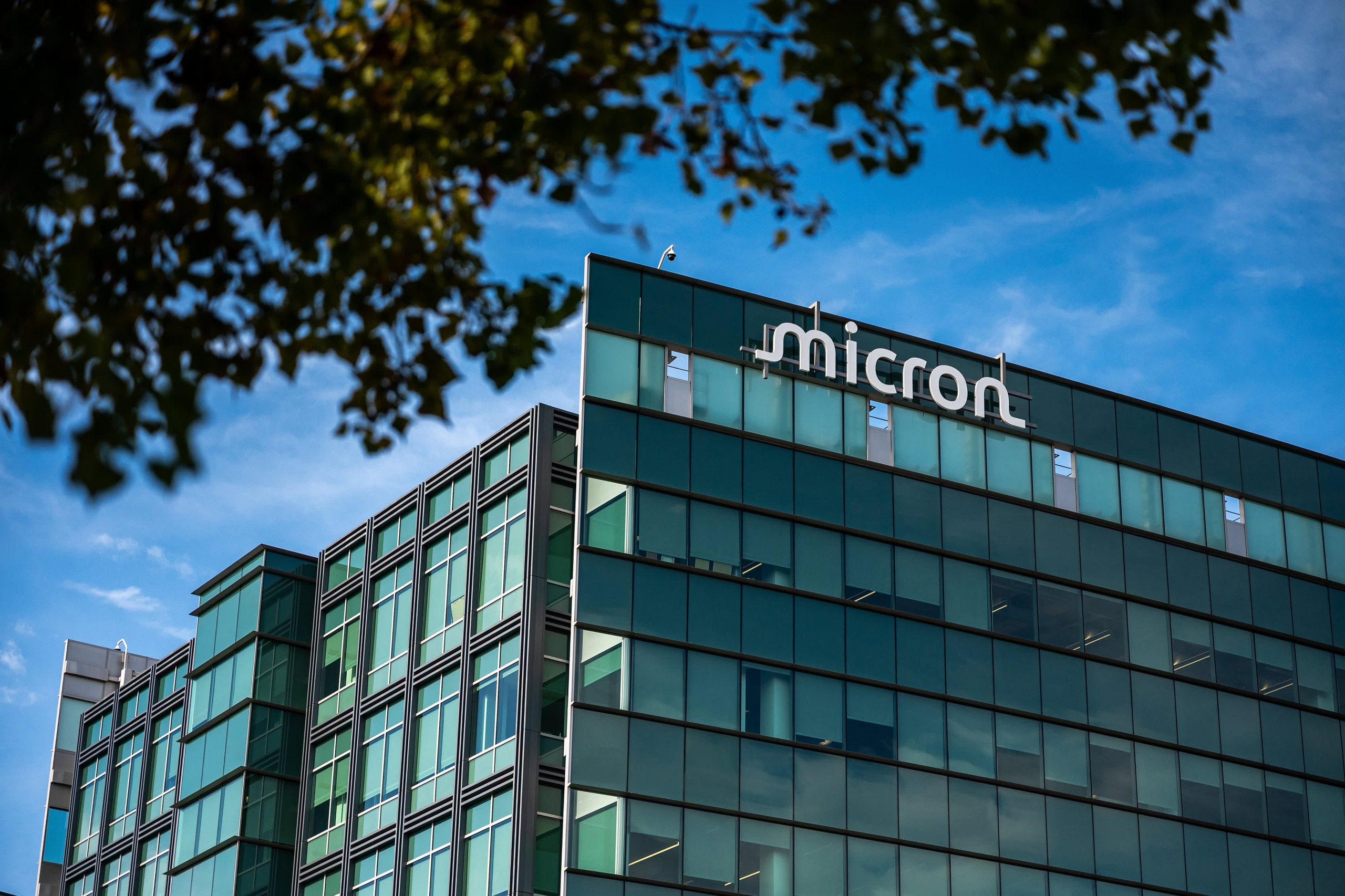
The Silicon Cannibalization
The silicon cycle is cannibalizing itself. Micron Technology is the current sacrificial lamb. While the market fixates on the Yahoo Finance bellwether narrative, the technical reality of High Bandwidth Memory (HBM) suggests a structural ceiling is approaching. The stock price reflects a desperate hope that AI demand can outrun the physics of heat and the economics of oversupply. It cannot. The leverage is too high. The margins are too thin.
Micron serves as the canary in the silicon coal mine. Its recent price action, hovering near record highs, masks a growing divergence between spot prices and long term contract value. Investors are piling into the AI memory trade without understanding the underlying plumbing. High Bandwidth Memory is not a commodity. It is a custom logic-memory hybrid that requires precision manufacturing with yields that would make a traditional DRAM fab manager weep. As reported by Bloomberg earlier this week, the industry is seeing a widening gap between top-tier HBM3E yields and the aggressive roadmaps promised to hyperscalers.
The HBM4 Technical Wall
The transition to HBM4 is the next battlefield. It is a brutal one. Current HBM3E designs rely on advanced thermal interface materials to manage the heat generated by 12-layer stacks. Micron has banked its entire 2026 fiscal outlook on the successful ramp of these high-density modules. However, the move to HBM4 requires a shift to hybrid bonding. This is not an incremental update. It is a fundamental change in how silicon is stacked. If Micron misses the timing on hybrid bonding, the bellwether will become a laggard overnight.
Thermal throttling is the silent killer of AI performance. As NVIDIA pushes the power envelope of its latest Blackwell-successor GPUs, the memory must sit closer to the logic. This proximity creates a heat soak that degrades memory reliability. Micron is fighting a war against entropy. They are winning on paper, but the physical limits of Through-Silicon Via (TSV) density are being reached. The market ignores this. It sees only the revenue growth and the buy ratings from analysts who have never stepped foot in a cleanroom.
Estimated HBM Market Share by Manufacturer (Q1 2026)
Capex as a Weapon of Mass Destruction
Capital expenditure is the only metric that matters in this environment. Micron is spending billions to keep pace with SK Hynix and a resurgent Samsung. According to recent filings tracked by Reuters, the cost of a single extreme ultraviolet (EUV) lithography tool has ballooned, yet Micron has no choice but to buy. This is an arms race where the weapons are depreciating assets. The AI-memory trade is essentially a bet that the cost of capital will remain lower than the rate of silicon innovation. That is a dangerous bet in a high-interest rate environment.
The following table illustrates the escalating tension between revenue growth and the inventory levels required to sustain the AI boom. Note the sharp uptick in inventory value, suggesting that while chips are shipping, the channel is becoming increasingly congested.
Micron Quarterly Financial Indicators (USD Billions)
| Quarter | Revenue | Inventory Value | Gross Margin (%) |
|---|---|---|---|
| Q2 2025 | 6.8 | 4.2 | 31.5 |
| Q3 2025 | 7.5 | 4.8 | 33.2 |
| Q4 2025 | 8.2 | 5.5 | 34.8 |
| Q1 2026 | 9.4 | 6.7 | 32.1 |
The margin compression in Q1 2026 is the first red flag. It indicates that the low-hanging fruit of the HBM3E ramp has been picked. Samsung has finally cleared its qualification hurdles for the latest GPU architectures, ending the duopoly that Micron and SK Hynix enjoyed throughout 2025. Competition is a deflationary force. Micron is now forced to compete on price for the first time in the AI era. The bellwether is starting to ring hollow.
Liquidity is the final piece of the puzzle. The AI-memory trade was fueled by cheap money and a belief in infinite demand. As the Federal Reserve maintains its hawkish stance, the cost of carrying massive silicon inventories becomes a drag on the balance sheet. Micron’s cash position is healthy, but its free cash flow is being eaten by the relentless need for new fabs. We are approaching a point where the return on invested capital (ROIC) will begin to trend downward, even as topline revenue hits new records.
The next critical milestone occurs on June 18, when the mid-quarter production data for HBM4 pilot lines is released. Watch the wafer start numbers closely. If the yield on the 16-layer stacks remains below 40 percent, the AI-memory trade will face its first true existential crisis. The bellwether is no longer leading the way up. It is warning of the cliff ahead.