The Crude Reality of the April Print
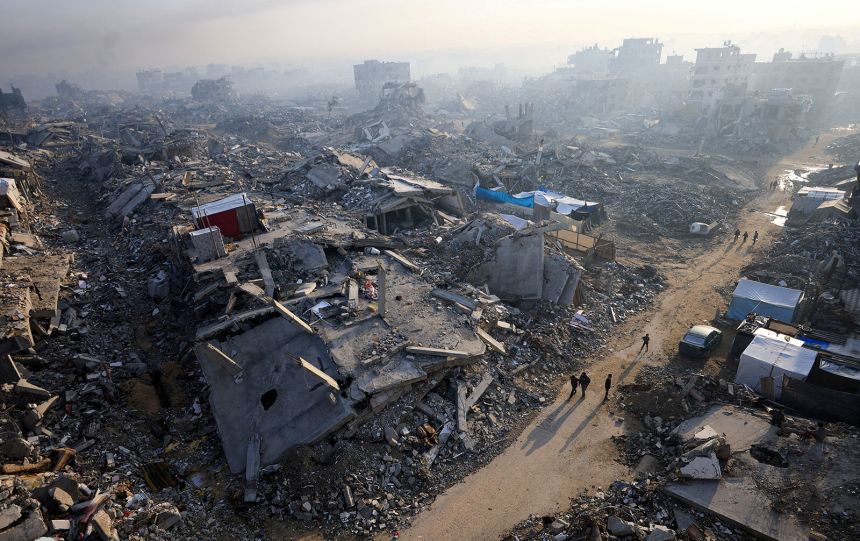
The numbers are raw. The market is bleeding. Oil is the knife. As the Bureau of Labor Statistics prepares to release the April Consumer Price Index (CPI) data, the consensus forecast has shifted from cautious optimism to outright alarm. We are no longer looking at a transitory bump. We are looking at a structural energy tax triggered by the escalating conflict in the Middle East.
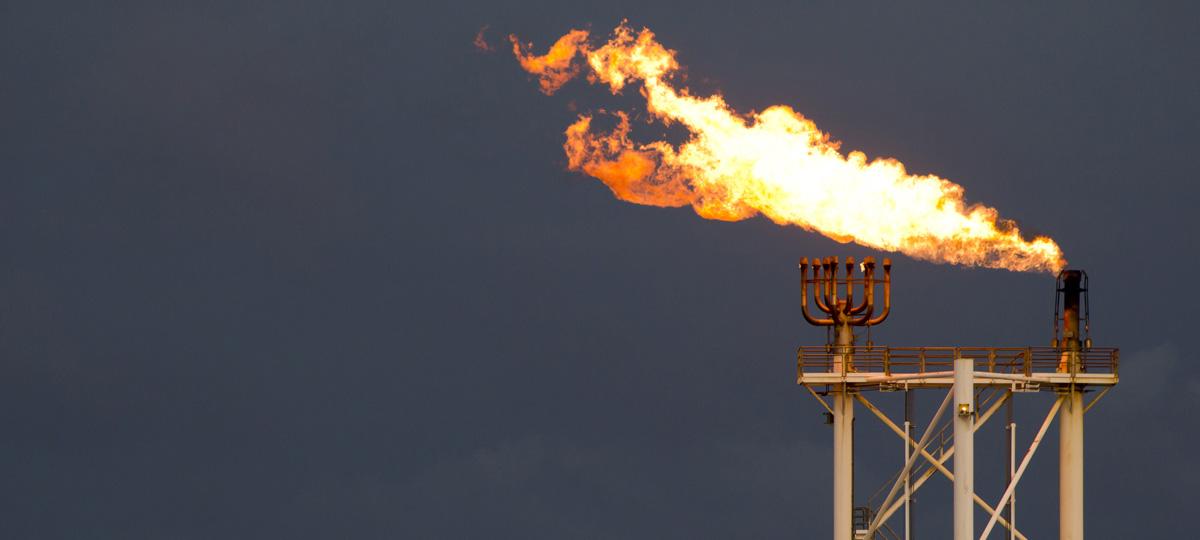
Brent crude has breached the $125 mark. This is not merely a headline number for traders. It is a fundamental shift in the cost of global commerce. The Iran conflict has effectively shuttered the primary arteries of energy transit. When the Strait of Hormuz is contested, the global economy pays the toll in basis points. This is the pass-through effect in its most violent form.
The Mechanical Failure of Core Inflation
Economists love to strip out energy. They call it volatile. They call it noise. But you cannot eat a core index. You cannot ship goods with a core index. The spike in energy prices is now leaching into the services sector. Transportation costs are up. Logistics premiums are at three year highs. This is what the Bloomberg Energy Index has been signaling for weeks. The disconnect between policy expectations and physical reality has reached a breaking point.
The technical mechanism is simple. Higher diesel prices increase the cost of every item on a grocery shelf. This is the second-round effect. While the Federal Reserve has focused on housing and wage growth, the geopolitical reality has bypassed their models. We are seeing a synchronized lift in both headline and core components as the energy surcharge becomes permanent in service contracts.
April 2026 Forecasted CPI Contribution by Sector
The Geopolitical Risk Premium
War is inflationary. This is an axiom of history that modern algorithms seem to have forgotten. The current hostilities involving Iran have removed approximately 2.5 million barrels per day from the global supply chain. This is not a gap that can be filled by domestic production or strategic reserves. Per recent reports from Reuters Energy Desk, the risk premium on crude now accounts for nearly $30 of the total barrel price.
This premium acts as an invisible interest rate hike. It drains consumer discretionary spending. It raises the cost of capital for energy-intensive industries. The market is now pricing in a ‘higher for longer’ interest rate environment, not because the economy is overheating, but because the cost of survival is rising. The stagflationary ghost of the 1970s has returned, and it is wearing a modern tactical vest.
| Month | Headline CPI (YoY) | Energy Component (YoY) | Market Sentiment |
|---|---|---|---|
| January 2026 | 3.2% | 1.4% | Neutral |
| February 2026 | 3.5% | 4.8% | Concerned |
| March 2026 | 4.1% | 12.6% | Alarmed |
| April 2026 (Est) | 4.9% | 19.2% | Panic |
The Fed’s Impossible Choice
Jerome Powell is trapped. If the Fed hikes rates to combat energy-driven inflation, they risk a hard landing in a slowing economy. If they hold steady, they risk an inflation expectations de-anchoring. The Bureau of Labor Statistics data due later today will likely confirm that the ‘last mile’ of the inflation fight has turned into a marathon through a minefield.
We are seeing the death of the soft landing narrative. The volatility in the bond market reflects this realization. Yields on the 10-year Treasury are climbing as investors demand more protection against the eroding power of the dollar. The energy spike is not a temporary glitch. It is the new baseline for a fragmented global order.
Watch the OPEC+ ministerial meeting scheduled for June 1. If there is no coordinated release of additional capacity, the 5% CPI threshold is not just a possibility. It is an inevitability. The data point to monitor is the Brent Crude daily close below $118. Anything above that level ensures the May inflation print will be even more painful than April.