The era of the sovereign AI model is over
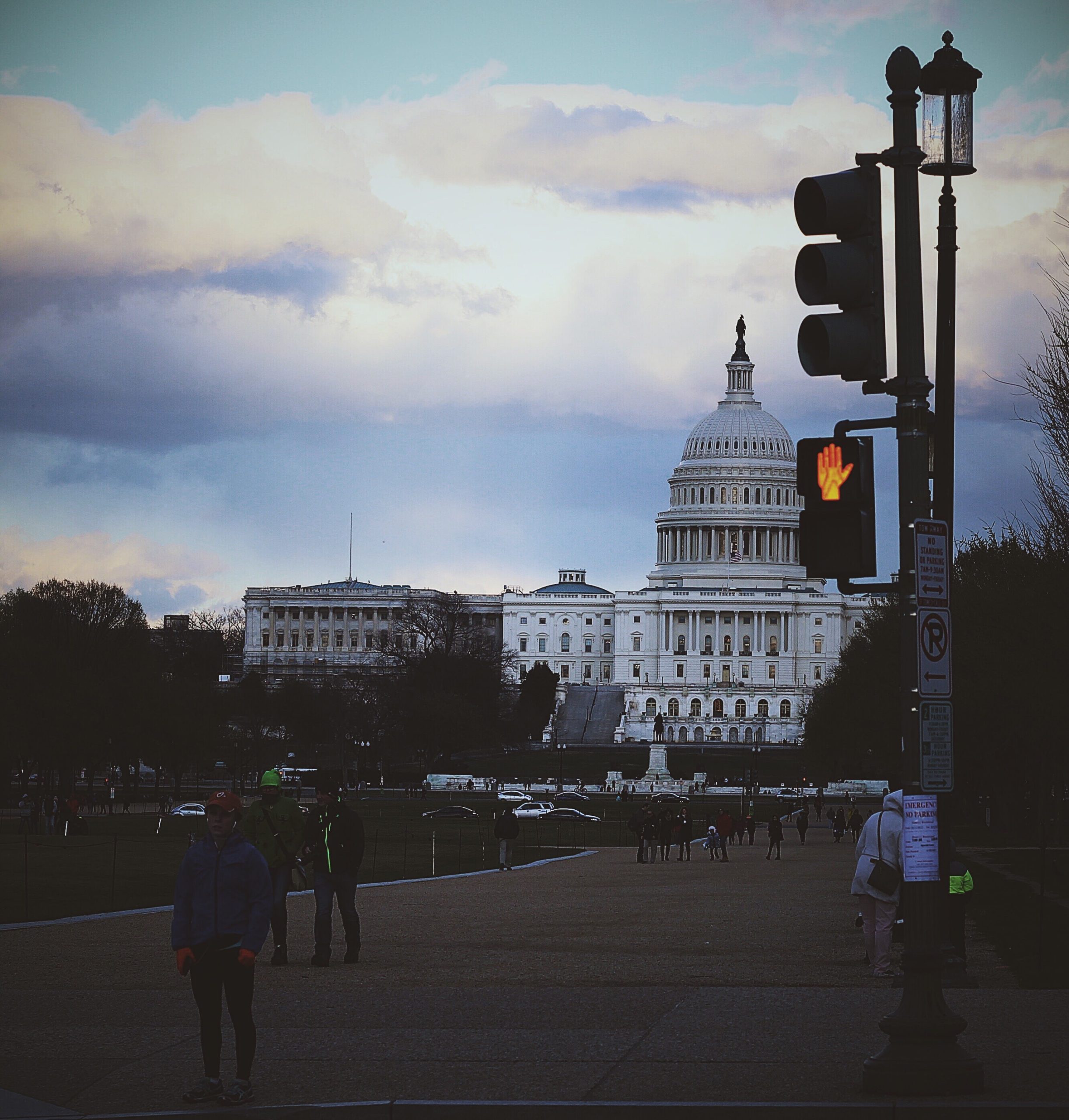
The black box is open. Washington finally got the keys. On Tuesday morning, a quiet announcement from the Department of Commerce confirmed that Alphabet Inc., Microsoft Corp., and xAI have formally agreed to grant the US government early access to their next-generation artificial intelligence models. This is not a voluntary safety pledge. It is a structural shift in the power dynamic between the state and the cloud.
The agreement marks a definitive end to the ‘move fast and break things’ era of large language model development. Under the new framework, the US AI Safety Institute will receive pre-deployment access to model weights and training parameters. This allows federal researchers to conduct ‘red-team’ testing before a single line of code reaches the public. The move follows months of escalating pressure from the executive branch regarding the existential risks of autonomous agents and chemical-biological synthesis capabilities.
The death of private compute
Capital is no longer the only barrier to entry. Control is the new currency. For years, the market treated AI development as a standard arms race between private entities. That narrative is dead. By integrating government oversight into the development lifecycle, these companies have effectively become quasi-state utilities. The technical mechanism for this access involves secure ‘air-gapped’ environments where government auditors can probe the latent space of models like GPT-5 or Gemini 2.0 without the data ever leaving the provider’s proprietary servers.
Investors are struggling to price this transparency. Historically, the proprietary nature of these models was their primary moat. If the government can dictate safety guardrails that nerf performance or delay release cycles, the return on invested capital (ROIC) for massive data centers becomes a moving target. According to recent SEC filings, Alphabet and Microsoft have already committed over $100 billion to AI infrastructure in the last fiscal year alone. Now, the utility of that infrastructure is subject to federal veto power.
Visualizing the AI Infrastructure Spend
Estimated AI Infrastructure Investment as of May 2026
The xAI anomaly
Elon Musk’s involvement is the wild card. For months, xAI operated as the libertarian alternative to the ‘censored’ models of Redmond and Mountain View. That defiance has evaporated. By joining this pact, xAI signals that the cost of regulatory non-compliance has become too high even for the world’s most litigious billionaire. The leverage used by the government likely involves the export controls on Nvidia’s latest Blackwell-series chips. Without federal blessing, the silicon stops flowing.
The technical requirements of this early access are grueling. It involves real-time monitoring of training runs exceeding 10^26 floating-point operations. Per reports from Bloomberg, the government is looking for specific ‘trigger’ capabilities. These include the ability to autonomously exploit zero-day vulnerabilities in critical infrastructure and the capacity to provide actionable instructions for biological weaponization. The irony is thick. To prevent a surveillance state powered by AI, the government has created a surveillance state for the AI itself.
Market implications and the compute divide
The market reaction has been one of cautious stagnation. While the ‘Magnificent Seven’ narrative dominated 2024 and 2025, the 2026 reality is one of regulatory capture. Small-cap AI firms are the primary losers here. They lack the legal and technical departments required to facilitate government ‘early access’ audits. This creates a high regulatory wall that protects the incumbents while simultaneously stripping them of their autonomy.
| Company | Model Series | Compute Commitment (Est.) | Regulatory Status |
|---|---|---|---|
| Microsoft | MAI-1 / GPT-5 | >500k H100 equivalents | Full Access Granted |
| Alphabet | Gemini 2.5 | >450k TPU v6 | Full Access Granted |
| xAI | Grok 3 | >300k B200 equivalents | Conditional Access |
| Meta | Llama 4 | Undisclosed | Pending Review |
This table illustrates the hierarchy of the new AI order. Meta remains the notable holdout, clinging to its open-source philosophy. However, the Department of Commerce has hinted that any model exceeding a certain compute threshold will be treated as a ‘dual-use’ technology under the Defense Production Act. This effectively renders the ‘open-source’ label moot if the underlying weights must be vetted by the Pentagon before they are uploaded to Hugging Face. Data from Reuters suggests that the next 48 hours will be critical as Meta leadership decides whether to join the pact or face potential export restrictions on their upcoming hardware clusters.
The next milestone is the June 15th deadline for the first technical audit report. This document will define the ‘Safety Baselines’ that every future model must meet to be legally hosted on US-based cloud providers. Watch the 10-year Treasury yield and the volatility index (VIX). If the audits reveal significant ‘alignment’ failures that force developers to scrap months of training, the resulting write-downs could trigger a sector-wide re-rating. The black box is open, but what the government finds inside may not be to the market’s liking.