The Silicon Ceiling
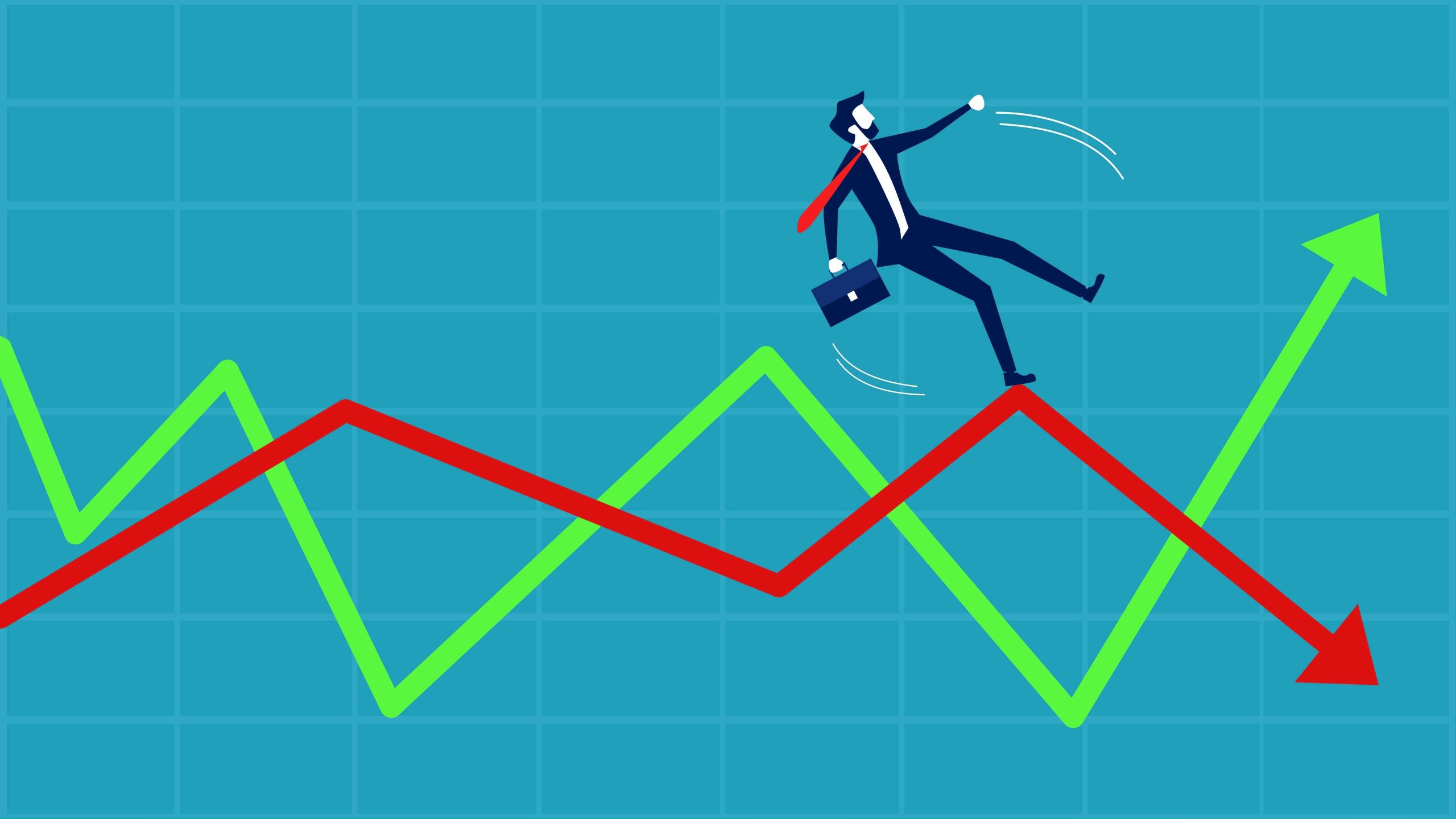
The bull market is a monolith. It looks invincible from a distance. Up close, the mortar is crumbling. MarketWatch recently questioned what might crack the current artificial intelligence rally. They are asking the wrong question. The cracks are already visible to anyone not blinded by the glare of data center neon.
Global equity markets are currently fueled by a singular obsession. Capital expenditure is the only metric that seems to matter to the street. If a hyperscaler is not spending forty billion dollars a quarter on Blackwell chips, they are viewed as laggards. This is a dangerous feedback loop. We are witnessing a massive front-loading of hardware demand that ignores the fundamental laws of diminishing marginal utility.
The Capex Trap
The spending is frenetic. It is unhedged. It is increasingly desperate. Microsoft, Alphabet, and Meta have committed to infrastructure spends that dwarf the GDP of mid-sized nations. They are building out a capacity that assumes a linear growth in intelligence and a corresponding explosion in enterprise adoption. The technical reality is far more nuanced.
Large Language Models are hitting a wall of data exhaustion. The supply of high-quality human-generated text is finite. Synthetic data training is a theoretical gamble that could lead to model collapse. If the intelligence of these systems plateaus while the cost of compute continues to climb, the return on invested capital will crater. We are currently pricing in a productivity miracle that has yet to show up in the macro-level labor statistics.
Energy Constraints and the Grid Crisis
The chips are thirsty. The cooling is expensive. The grid is breaking. You cannot run a global intelligence revolution on a 1970s power distribution network. The current rally assumes that data centers can scale indefinitely. This ignores the physical reality of gigawatt-scale requirements.
Utility providers are already signaling that interconnection queues are stretching into the 2030s. A tech giant can buy all the GPUs in the world, but they are paperweights without a dedicated high-voltage substation. The cost of energy is becoming a primary drag on operational margins. As green energy mandates collide with the massive baseload requirements of AI clusters, the price per kilowatt-hour will become the new volatility index for the Nasdaq.
The Monetization Gap
Revenue is the ghost in the machine. It is spoken of often but seen rarely. Beyond the hardware providers selling the shovels, the gold mine is still mostly dirt. Enterprise software companies are struggling to convert AI pilots into recurring revenue streams. Chief Information Officers are growing weary of the hype cycle.
The cost to serve an AI query remains significantly higher than a traditional search or database lookup. This is a structural margin headwind. If companies cannot pass these costs onto consumers, the AI boom becomes a massive transfer of wealth from software shareholders to hardware manufacturers. This is not a sustainable ecosystem. It is a parasitic relationship that will eventually starve the host.
Liquidity and the Macro Pivot
Cheap money is gone. The cost of debt is high. The equity risk premium is compressed. The market is currently operating on the assumption that AI will drive deflationary pressures that allow central banks to slash rates. This is a circular logic that ignores persistent services inflation.
If the Federal Reserve stays higher for longer, the valuation multiples of the Mag 7 become indefensible. High interest rates act as gravity on growth stocks. When the cost of capital exceeds the projected growth rate of AI-driven efficiencies, the rotation out of tech will be violent. The market is not riding a wave. It is balanced on a needle.
The Ghost of Fiber Optics
History repeats itself. The 1990s saw a similar rush to lay thousands of miles of dark fiber. The infrastructure was necessary, but the companies that built it went bankrupt before it was used. We are currently laying the “dark fiber” of the 21st century in the form of massive GPU clusters.
The utility of AI is real. The valuation of the current rally is a hallucination. When the capital expenditure cycles turn from expansion to maintenance, the hardware providers will see their order books evaporate. The market is currently ignoring the cyclicality of the semiconductor industry. This is a mistake that has been made in every tech boom for the last fifty years. The crack will not be a single event. It will be a slow, grinding realization that the future is more expensive and less profitable than the brochures promised.