The Great Risk Reward Paradox
Wall Street sold you a lie. They told you volatility was the tax you pay for outsized gains. They were wrong. The numbers do not lie. They scream. Morningstar recently released data that shatters the foundational myth of modern portfolio theory. In the current market, the riskier the fund, the worse the performance. This is not a glitch. It is a systemic failure of the high-beta promise.
The mantra of no pain no gain has become a trap for retail and institutional investors alike. Over the last twelve months, funds with the highest standard deviation have consistently lagged behind their low-volatility counterparts. We are witnessing a fundamental inversion of the risk-return spectrum. Investors are taking on massive exposure to downside variance without the compensatory upside. This phenomenon, often called the low-volatility anomaly, has reached a fever pitch as of April 30.
Technical Decay and Volatility Drag
Volatility is not just a measure of movement. It is a mathematical weight. When a fund drops 50 percent, it requires a 100 percent gain just to break even. High-risk funds often suffer from what technicians call volatility drag. This geometric erosion eats capital faster than compounding can replace it. In a high-interest-rate environment, the cost of leverage used by many of these aggressive funds further compresses margins. Per the latest Morningstar fund analysis, the gap between expected returns and realized outcomes has never been wider for high-beta strategies.
The current tape shows a clear preference for stability. Large-cap value and low-volatility ETFs are outperforming aggressive growth sectors by nearly 600 basis points on a risk-adjusted basis. The market is punishing speculation. It is rewarding consistency. This trend is visible across the S&P 500 performance metrics for the first half of the year. Investors chasing the ‘next big thing’ are finding themselves holding bags of high-variance air.
Visualizing the Risk Return Inversion
The Performance Gap by Asset Class
The following table illustrates the divergence in performance across different risk profiles. Note the precipitous drop in the Sharpe Ratio as the risk profile moves from conservative to aggressive. This is the hallmark of a market that is fundamentally mispricing risk.
| Fund Category | Standard Deviation (%) | YTD Return (%) | Sharpe Ratio |
|---|---|---|---|
| Low Volatility Equities | 12.4 | 9.1 | 0.73 |
| Broad Market Index | 16.8 | 5.2 | 0.31 |
| Aggressive Growth | 28.5 | -1.4 | -0.05 |
| Leveraged Tech (2x) | 42.1 | -8.9 | -0.21 |
Institutional capital is rotating. We see a massive migration toward private credit and short-duration fixed income. These assets offer yield without the stomach-churning swings of the equity markets. According to Bloomberg Market Data, the inflow into ‘buffer’ funds and defined-outcome ETFs has hit record highs this month. The smart money is no longer buying the dip. They are buying the floor.
The Mechanical Failure of Beta
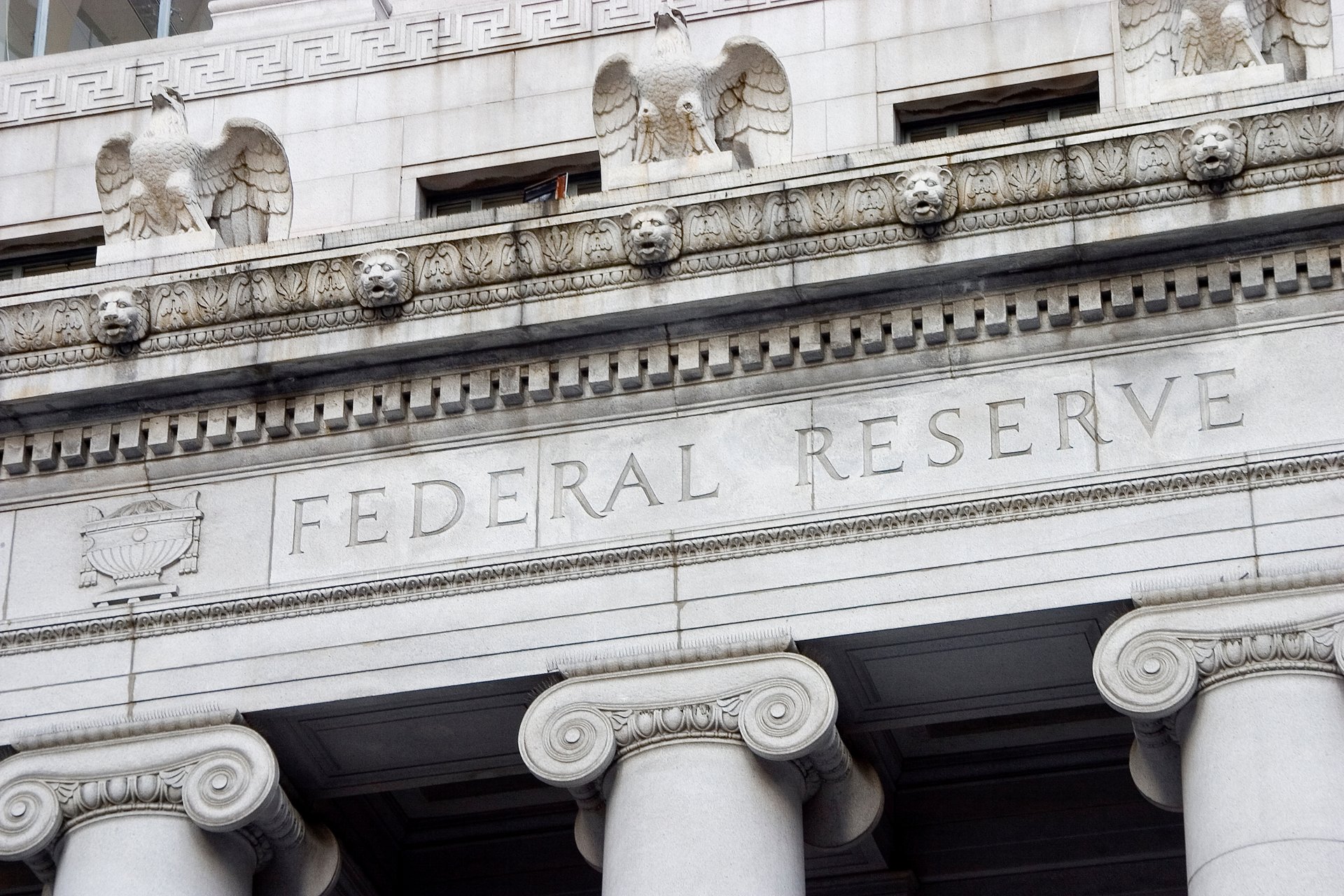
Beta was supposed to be your friend. In a bull market, high beta is a tailwind. In the current regime, it is a millstone. The correlation between high-beta stocks and interest rate sensitivity has tightened. As the Federal Reserve maintains its restrictive stance, the discount rate applied to future earnings of high-growth, high-risk companies has ballooned. This repricing is brutal. It is immediate.
Fund managers who doubled down on ‘disruptive tech’ are now facing redemption cycles. The liquidity mismatch in these funds is becoming a secondary risk. When investors flee, managers are forced to sell their most liquid (and often best performing) assets to meet withdrawals. This leaves the remaining shareholders with a concentrated pool of toxic, illiquid volatility. It is a death spiral in slow motion.
Watching the May Pivot
The market is now laser-focused on the upcoming Federal Open Market Committee meeting scheduled for May 3. If the Fed maintains its hawkish tone, the pressure on high-risk funds will intensify. Watch the 10-year Treasury yield. A break above 4.8 percent will likely trigger another wave of liquidations in the high-beta space. The era of rewarding blind risk is over. The era of the risk-adjusted return has returned. Watch the spread between the S&P 500 Low Volatility Index and the Nasdaq 100 as the primary indicator of market health moving into the next quarter.