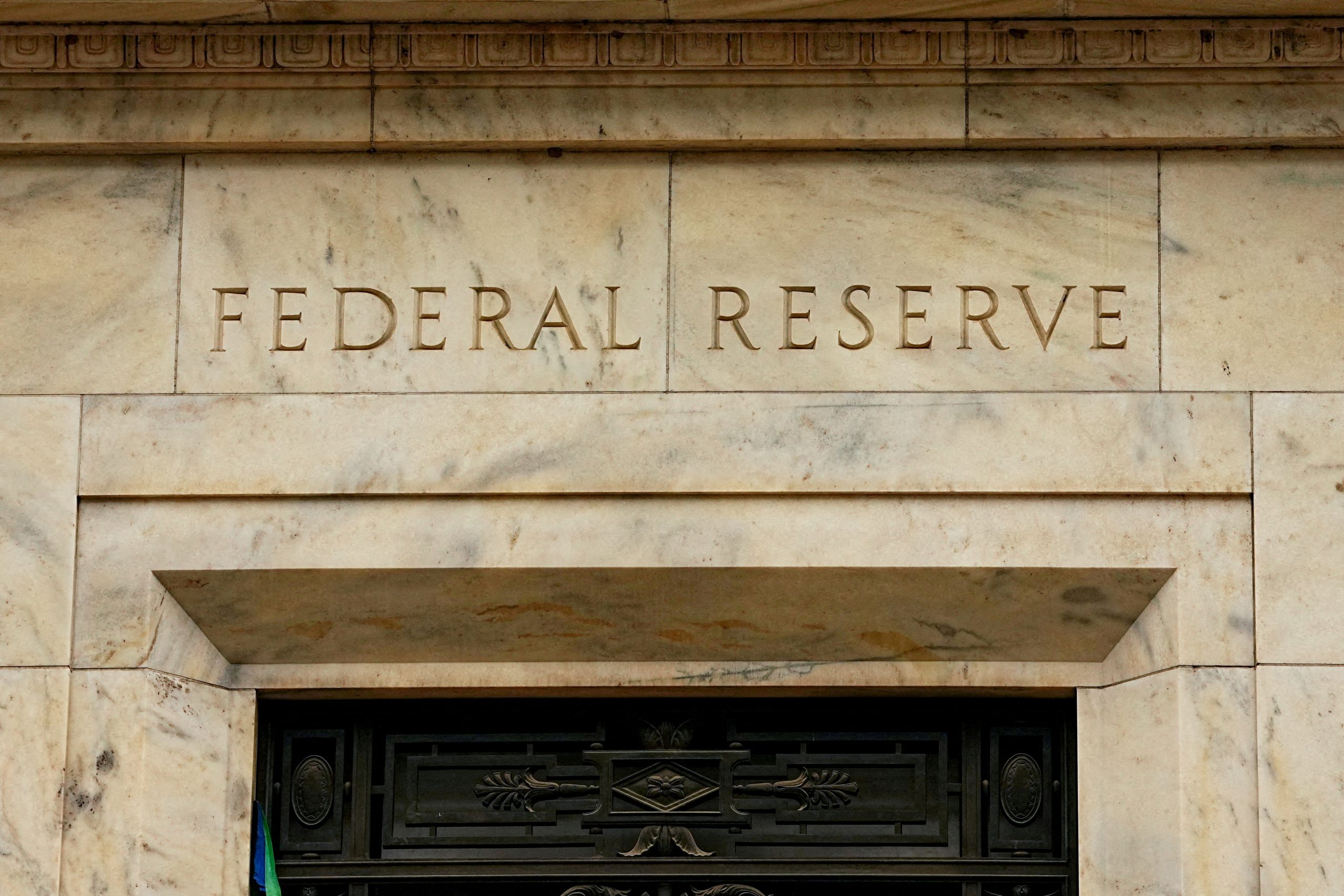
The central bank is flying blind.
Kevin Warsh just threw a grenade into the Eccles Building. His latest proposal suggests the Federal Reserve must abandon its long standing reliance on the Personal Consumption Expenditures (PCE) price index. The current framework is broken. It relies on lagging indicators that fail to capture the velocity of modern capital. Warsh argues for a new approach to measuring inflation that accounts for real time digital transactions and asset price volatility. The markets are already twitching. Per reports from Bloomberg, the 10 year Treasury yield spiked four basis points immediately following his comments. This is not just a technical debate. It is a fundamental challenge to how the dollar is managed.
The failure of the PCE model
PCE is a relic. It was designed for a brick and mortar world where price discovery took weeks. Today, prices change in milliseconds. The Fed’s preferred metric uses a chain weighted index that often masks the true cost of living for the average American. Warsh points out that the ‘substitution effect’ inherent in PCE allows the government to understate inflation by assuming consumers will simply buy cheaper goods when prices rise. This is a statistical sleight of hand. It ignores the reality of fixed costs like housing and healthcare. According to recent data from Reuters, the divergence between headline PCE and actual consumer sentiment has reached a twenty year high.
The Warsh Metric explained
What does Warsh actually want? He is pushing for a ‘Market Based Inflation Gauge.’ This would integrate real time pricing data from e-commerce giants and logistics providers. It would also incorporate asset price inflation. The Fed has long ignored the housing bubble and equity melt ups when setting interest rates. Warsh believes this is a mistake. If the cost of a home doubles, that is inflation, regardless of what the ‘Owners Equivalent Rent’ calculation says. His proposed index would weight shelter and energy at significantly higher levels than the current PCE basket. This would likely reveal an underlying inflation rate much higher than the 2.1 percent the Fed currently claims.
Comparison of Inflation Metrics April 2026
A structural shift in policy
The implications are massive. If the Fed adopts a more sensitive inflation gauge, the era of ‘lower for longer’ interest rates is officially dead. A more accurate metric would have forced the Fed to hike rates much sooner in 2024 and 2025. Warsh is essentially accusing the current board of negligence. He argues that by using blunt, lagging tools, the Fed is creating the very boom-bust cycles it is supposed to prevent. This is a direct critique of Jerome Powell’s legacy. The institutional resistance to this change will be fierce. The Fed staff economists have spent decades refining the PCE model. They will not let it go without a fight.
The cost of miscalculation
Look at the numbers. The table below illustrates the discrepancy between the official narrative and the proposed Warsh methodology. The gap is not just a rounding error. It represents billions of dollars in lost purchasing power for savers and a massive hidden tax on the middle class.
| Metric Component | Current PCE Weight | Warsh Proposed Weight | Impact on Headline |
|---|---|---|---|
| Shelter/Housing | 15.2% | 32.0% | High Inflationary |
| Energy Services | 2.4% | 6.5% | Volatile |
| Digital Goods | 3.1% | 10.0% | Deflationary Buffer |
| Asset Price Overlay | 0.0% | 15.0% | High Volatility |
The shadow of the FOMC
The market is now pricing in a regime shift. Traders are looking past the next meeting and toward a structural overhaul of the Fed’s mandate. If Warsh gains traction, the ‘neutral rate’ of interest will have to be recalculated from scratch. This would trigger a massive rebalancing in the bond market. Institutional investors are already hedging against a scenario where the Fed is forced to acknowledge that inflation is structurally higher than previously admitted. The credibility of the central bank is on the line. They can either update their maps or continue to sail into the fog.
The immediate focus turns to the May 12 FOMC minutes. Analysts will be scouring the text for any mention of ‘measurement methodology’ or ‘alternative data sources.’ If the phrase ‘Warsh approach’ appears even once in the internal deliberations, expect the 2-year Treasury yield to break above its current resistance level of 4.85 percent. The data is clear, even if the Fed refuses to see it.