The Davos Dilemma is a Crisis of Credibility
The World Economic Forum is back to its favorite pastime. It is rebranding systemic instability as a series of dilemmas. On April 24, the organization released a statement regarding the navigation of the new economy. It suggests that leaders are finding fresh ways to manage the current global friction. The reality is far more clinical. The global financial system is caught in a pincer movement between structural inflation and a sovereign debt trap. The Davos crowd calls it a dilemma. Accountants call it insolvency.
The Productivity Sinkhole
The numbers do not lie. They scream. Despite two years of aggressive investment in generative artificial intelligence and automated logistics, Total Factor Productivity (TFP) remains stubbornly flat. This is the Silicon Valley Sinkhole. Capital is being incinerated in the hope of an emergent intelligence that has yet to fix the broken plumbing of global trade. We are witnessing a massive reallocation of capital that has yet to yield a return on investment. The cost of compute has become the new rent. It is a fixed cost that squeezes margins across every sector from manufacturing to retail.
According to recent reports from Bloomberg, the capital expenditure for data center expansion in the first quarter has exceeded the total infrastructure spend of the previous decade. This is not growth. It is a desperate race to maintain the status quo. The dilemma cited by the WEF is actually a question of survival. Can the legacy corporate world integrate these technologies before the cost of debt makes the transition impossible?
The Liquidity Trap of the Mid Decade
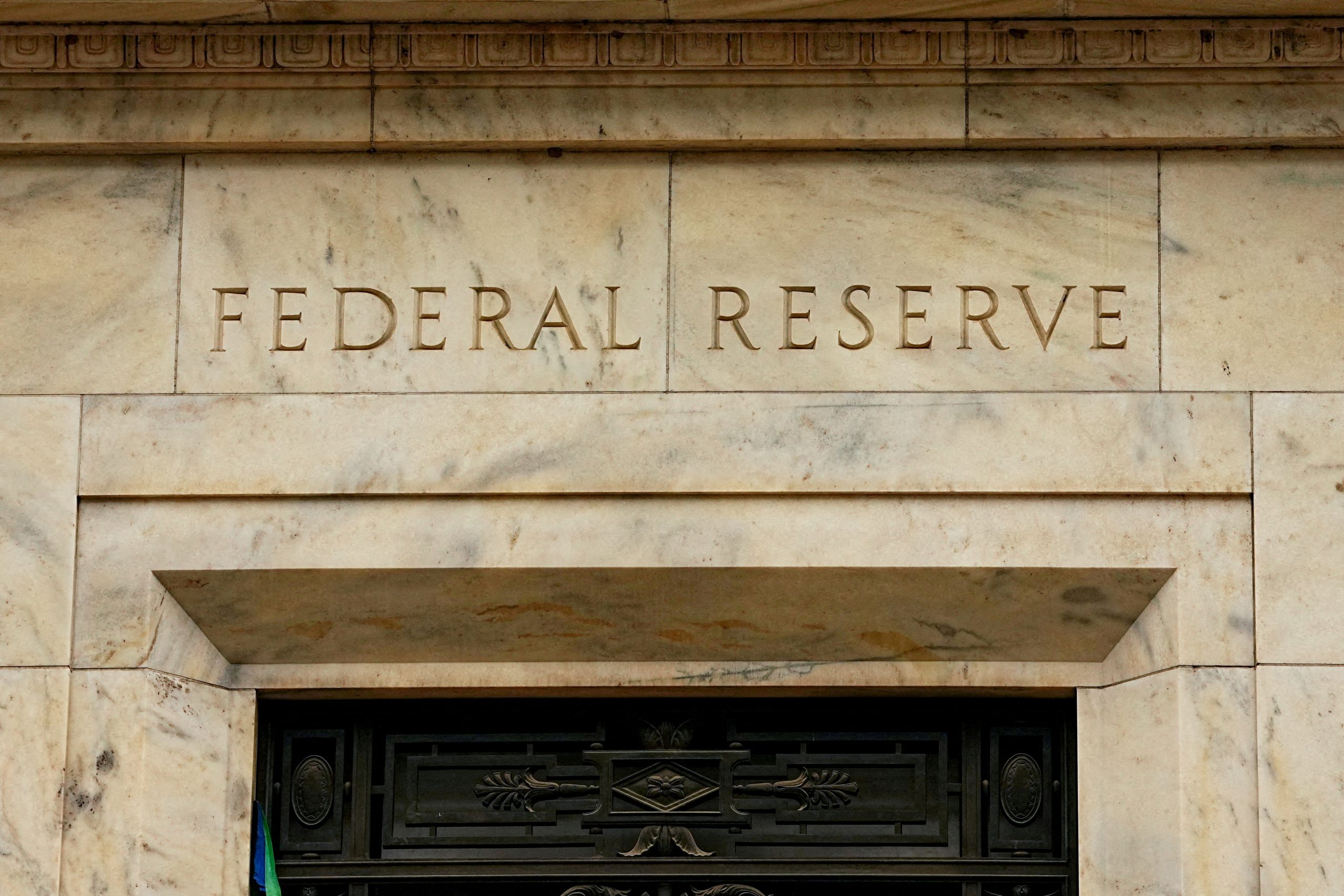
Central banks are paralyzed. The Federal Reserve and the European Central Bank are facing a reality they did not predict in their 2024 models. Inflation is no longer a monetary phenomenon. It is a structural one. Deglobalization has removed the deflationary tailwinds of cheap labor and efficient supply chains. The cost of reshoring industry is inherently inflationary. This has created a floor for interest rates that the market is struggling to accept.
Per the latest analysis from Reuters, the spread between short term yields and long term inflation expectations suggests a permanent shift in the neutral rate. The era of cheap money is not just over. It is a relic of a previous civilization. Leaders at Davos speak of navigating these waters. In truth, they are merely drifting with the current. The debt service costs for G7 nations have now surpassed their respective defense budgets. This is the ultimate dilemma. You cannot inflate the debt away without destroying the currency, and you cannot pay it back without destroying the economy.
Global Central Bank Policy Rates
Central Bank Benchmark Rates as of April 25, 2026
The Green Premium and Energy Friction
The energy transition is the second pillar of this dilemma. The transition from high density fossil fuels to low density renewables requires a massive upfront capital injection. This is the Green Premium. It is a tax on the future. While the WEF promotes the long term benefits of a net zero economy, the short term reality is a significant increase in the cost of industrial power. This friction is slowing down the very manufacturing sectors that are supposed to lead the recovery.
Technical analysis of the copper and lithium markets shows a supply deficit that will persist through the end of the decade. This is not a policy choice. It is a geological constraint. When leaders talk about navigating dilemmas, they are avoiding the hard truth that the physical world does not care about ESG mandates. The cost of raw materials is the primary driver of the new inflation. It is a commodity led cycle that central banks cannot control with interest rate hikes.
Economic Indicators Comparison
| Economic Indicator | April 2024 (Baseline) | April 2026 (Current) |
|---|---|---|
| US 10-Year Treasury Yield | 4.60% | 4.25% |
| Gold Price (Per Ounce) | $2,340 | $2,890 |
| Global Debt-to-GDP Ratio | 325% | 348% |
| AI Infrastructure Capex (% of GDP) | 0.9% | 2.6% |
Labor Market Fragmentation
The labor market is the final piece of the puzzle. We are seeing a bifurcation of the workforce. On one side, there is a high demand for specialized technical labor to build the new economy infrastructure. On the other side, there is a massive displacement of administrative and middle management roles due to automation. This is not a smooth transition. It is a jagged rupture. The skills gap is widening faster than educational institutions can close it.
This fragmentation leads to social friction. It creates a political environment where the solutions offered by the WEF are seen as elitist and out of touch. The dilemma for leaders is how to maintain social cohesion while the economic floor is shifting beneath their feet. They are attempting to use 20th century tools to solve 21st century problems. The result is a policy lag that is becoming dangerous.
The focus now shifts to the June meeting of the Federal Open Market Committee. Markets are pricing in a 65 percent chance of a rate hold, despite the rising cost of commodities. The specific data point to watch is the Core PCE deflator scheduled for release next month. If that number remains above 3.2 percent, the Davos narrative of a managed transition will officially collapse into a reality of stagflationary pressure.