The Washington Pivot Beneath the Iranian Noise
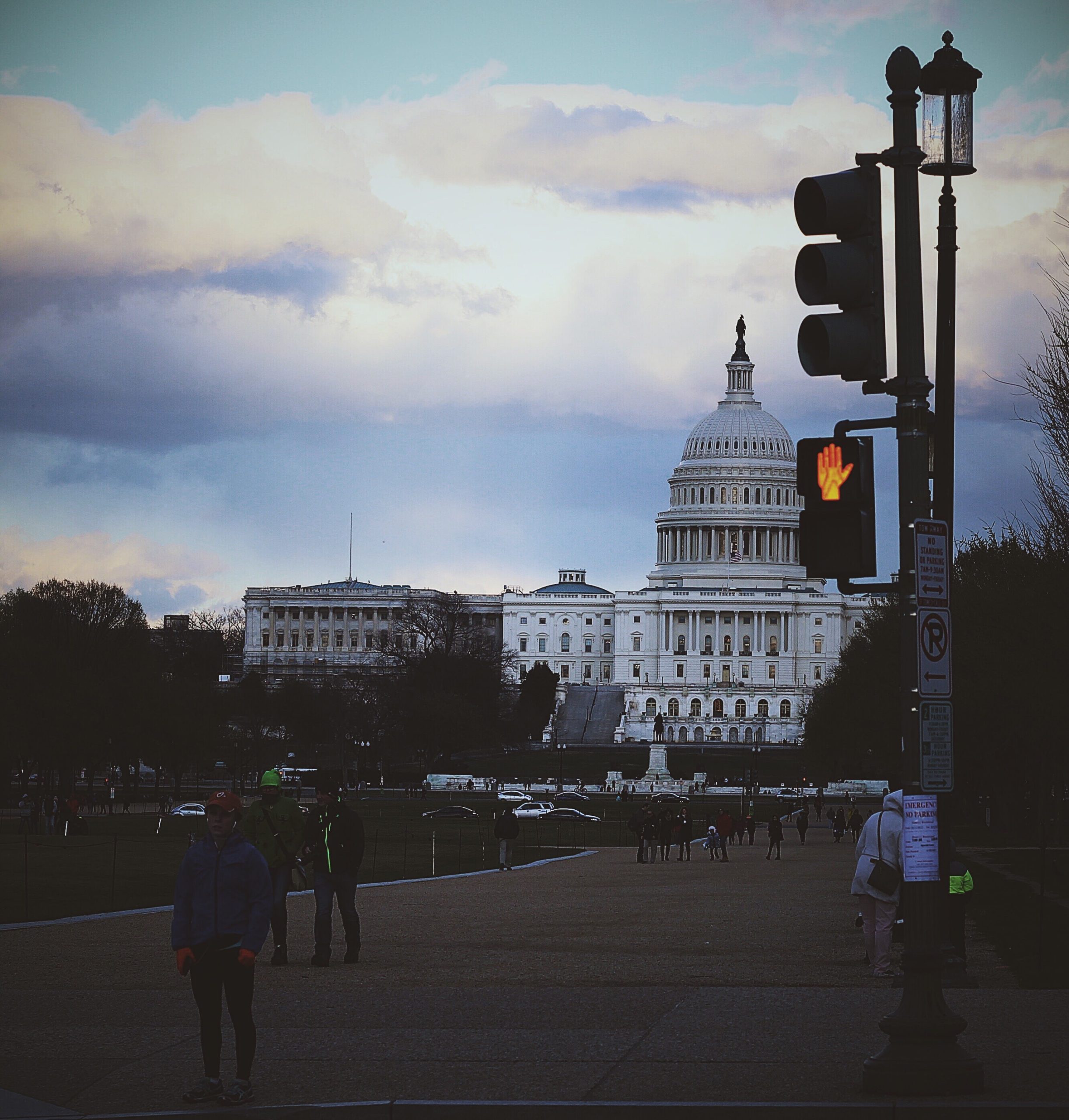
Geopolitics sells newspapers. Policy moves markets. The conflict in Iran dominates the cable news cycle today. It creates a convenient smoke screen for institutional players. While the public watches the Persian Gulf, the smart money is staring at the Potomac. The 2026 U.S. midterm elections are the real catalyst for the next fiscal quarter.
Morgan Stanley research suggests a decoupling is underway. Michael Zezas, the Deputy Global Head of Research, identifies a shift in investor focus. The noise of war is loud. The signal of domestic policy is louder. Investors are currently recalibrating portfolios to account for a potential shift in congressional power. This is not about ideology. It is about the mathematical reality of tax law and spending authorizations.
Healthcare Policy and the Legislative Gridlock
Regulation dictates the bottom line. Healthcare is the first casualty of political shifts. The sector remains hyper-sensitive to the legislative makeup of the House and Senate. Ariana Salvatore, Head of Public Policy Research, points to specific implications for the medical industrial complex. If the midterms result in a divided government, the aggressive drug pricing reforms seen in previous cycles may hit a wall. This creates a predictable environment for pharmaceutical giants.
Market participants are pricing in a return to fiscal conservatism. The current administration’s ability to push through expansive healthcare subsidies hinges on a razor-thin majority. A shift in the midterms would effectively neuter further expansion. For the analyst, this translates to a stabilization of profit margins for private insurers. The volatility seen in recent healthcare tickers is a direct reflection of this political hedging. It is a calculation of probability rather than a reaction to current events.
The Fiscal Trap and Market Volatility
Deficits are ignored until they are weaponized. The midterm elections serve as the starting gun for the next debt ceiling standoff. The market understands this cycle. It is a choreographed dance of brinkmanship and resolution. Michael Zezas notes that the policy implications extend far beyond the immediate election results. The structural integrity of the U.S. fiscal trajectory depends on which party controls the purse strings during the 2027 budget cycle.
Equity markets hate uncertainty. Yet they thrive on the gridlock that often follows a midterm shift. When Washington cannot pass new laws, the existing corporate landscape remains static. Stasis is profitable. The cynical reality is that a paralyzed Congress is often the preferred outcome for large-scale institutional investors. It prevents radical shifts in the tax code. It ensures that the status quo remains the law of the land.
Geopolitical Risk as a Secondary Variable
War is a tragedy. For the market, it is a line item. The Iranian conflict provides a spike in defense spending and energy prices. However, these are often transitory shocks. The structural changes brought about by a shift in U.S. public policy have a much longer half-life. Ariana Salvatore emphasizes that policy implications from the midterms will dictate the regulatory environment for the next two years. This is the timeline that institutional capital operates on.
The divergence between the news cycle and the trading floor is widening. While the headlines focus on regional instability in the Middle East, the underlying data points toward domestic electoral math. The bond market is already telegraphing this shift. Yield curves are reacting to anticipated changes in federal spending rather than the cost of a military deployment. The focus remains on the ballot box.
Institutional desks are not looking for peace. They are looking for predictability. The U.S. midterms provide a roadmap for the regulatory landscape of 2027 and beyond. The Iranian situation is a variable. The election is a milestone. Tracking the movement of capital requires ignoring the loud distractions and focusing on the quiet legislative shifts. The real power move is happening in the committee rooms of Washington, not the straits of the Middle East.