The Sovereign Pursuit of Quantum Alpha
Silicon is tired. The GPU-driven hype cycle of the mid-2020s has reached its thermal limit. Now the world largest asset manager is moving the goalposts. BlackRock is signaling a shift from the brute force of traditional chips to the probabilistic elegance of the Quantum Processing Unit or QPU.
The narrative is shifting. On April 15, 2026, BlackRock’s Tony Kim signaled that the era of relying solely on CPUs and GPUs is ending. This is not a mere upgrade. It is a fundamental rewiring of how capital interprets reality. While the retail market still chases the tail end of the generative AI boom, the institutional elite are positioning for the quantum transition.
Beyond the Binary Bottleneck
Traditional computing is a prisoner of the bit. Every calculation is a series of binary choices. Even the most advanced H100 or B200 GPU clusters are essentially just very fast accountants. They process linear logic at scale. Quantum computing operates on qubits which exist in a state of superposition. This allows a QPU to explore a vast multidimensional solution space simultaneously.
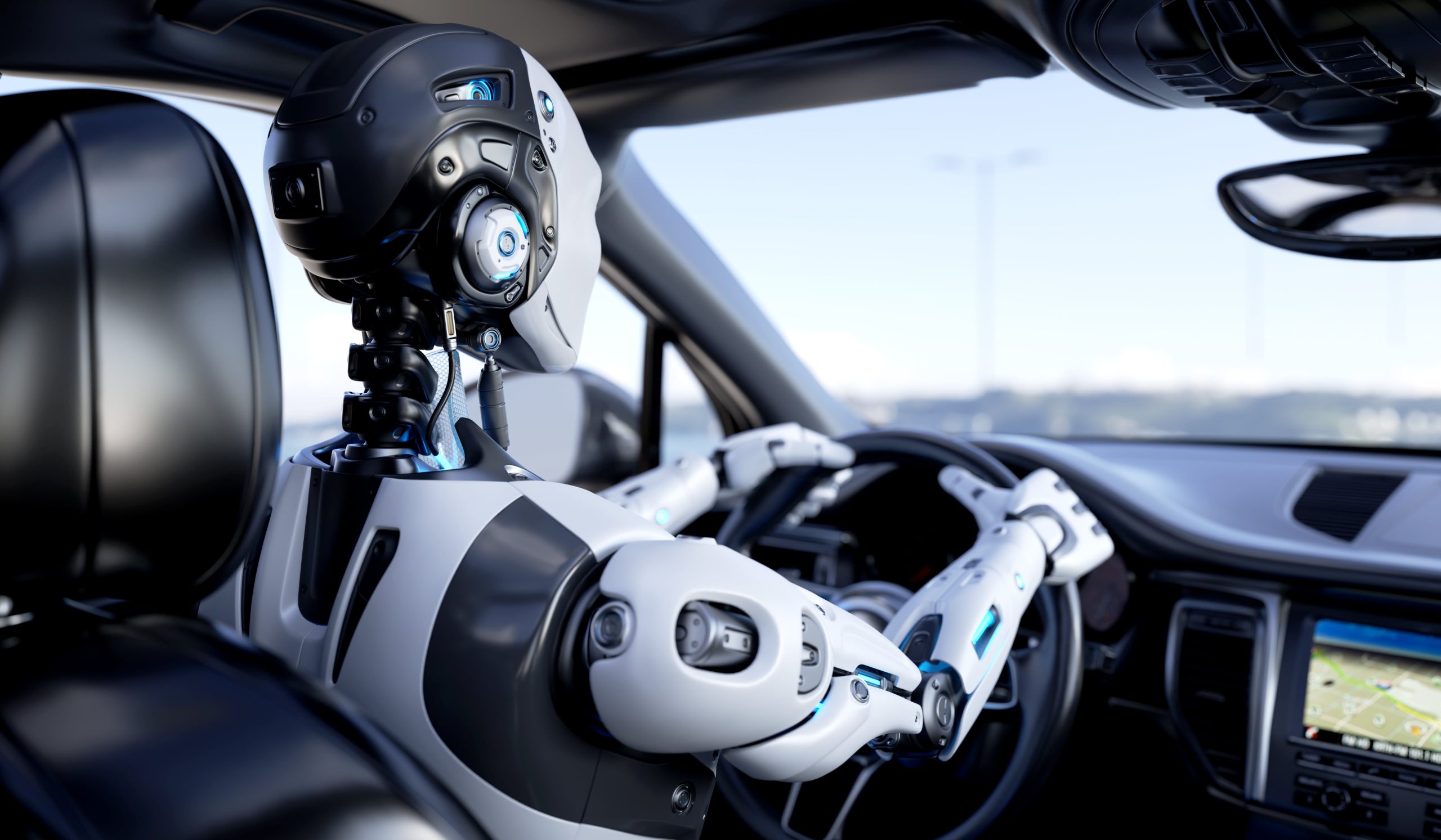
BlackRock is not suggesting a total replacement. The QPU is a specialized accelerator. It complements existing infrastructure. Think of the CPU as the office manager and the GPU as the factory floor. The QPU is the visionary architect capable of solving problems that would take a classical supercomputer ten thousand years to crack. In the context of global finance, this means the total destruction of current risk modeling latency.
The Cryogenic Capital Moat
The barrier to entry is staggering. QPUs require environments colder than deep space to maintain decoherence. This is not technology for the garage hobbyist. This is an infrastructure play. BlackRock’s interest in quantum is as much about the physical assets, the specialized cooling systems, and the rare-earth supply chains as it is about the code.
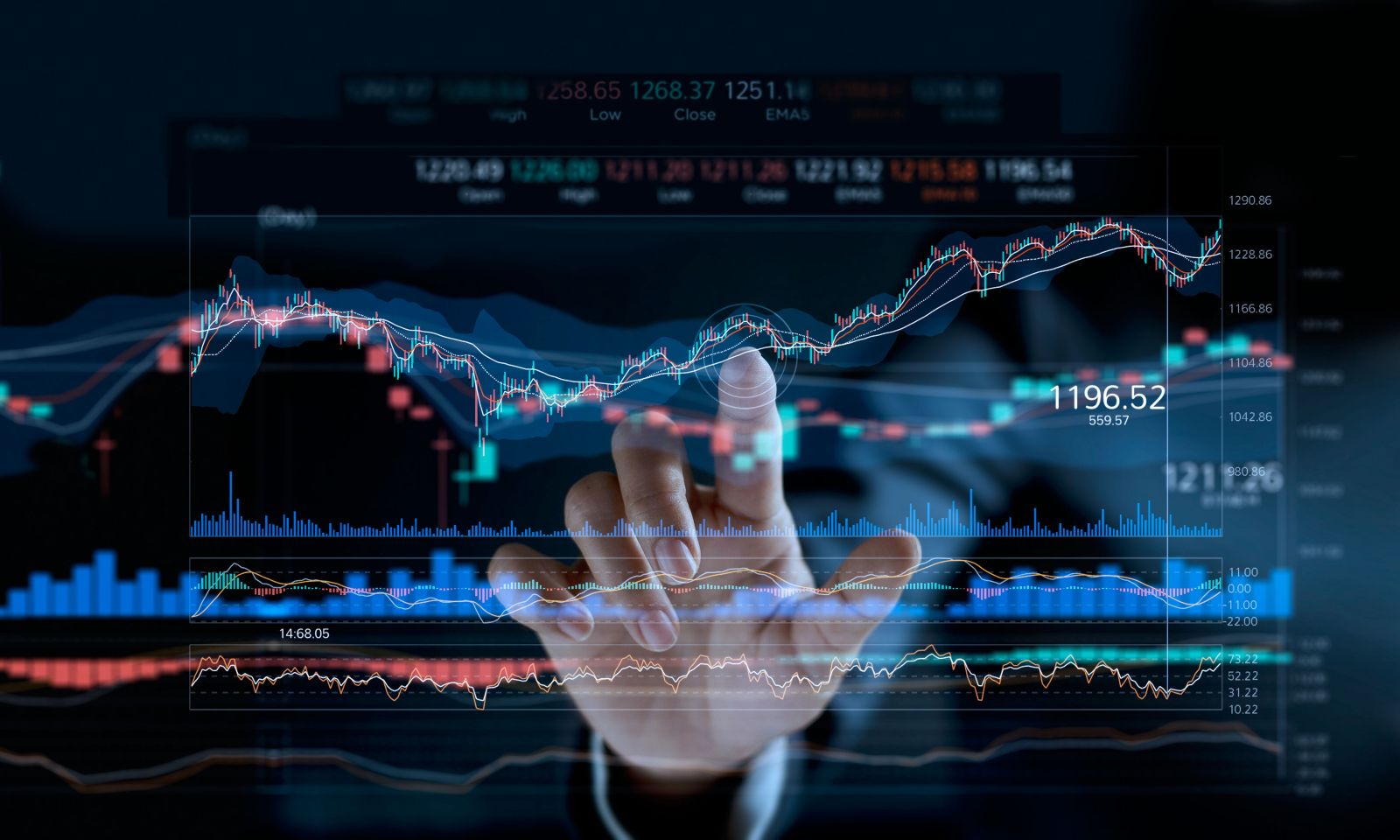
Institutional investors are eyeing the disruption of Monte Carlo simulations. These are the gold standard for pricing complex derivatives and assessing portfolio VaR or Value at Risk. Currently, these simulations require massive compute time and significant approximations. A QPU can execute these calculations with near-perfect precision in real time. The firm that masters this first will possess a predictive edge that renders classical technical analysis obsolete.
Breaking the Cryptographic Standard
The cynical truth is darker. Quantum computing represents a systemic risk to the very foundation of digital finance. Most modern encryption relies on the difficulty of factoring large prime numbers. A sufficiently powerful QPU using Shor’s algorithm can bypass this security with ease. When BlackRock talks about quantum transforming what is possible in investing, they are also talking about the necessity of owning the shield before the sword is drawn.
We are seeing the birth of the Quantum-Industrial Complex. Tony Kim’s commentary highlights a strategic pivot toward companies that can integrate QPUs into the existing tech stack. This is the new arms race. It is no longer about who has the most data. It is about who can compute the probability of every possible future before the opening bell rings.
The Convergence of Science and Speculation
Quantum advantage is the new North Star. BlackRock’s focus on how QPUs complement today’s systems suggests a hybrid era. We will see data centers where racks of GPUs handle the neural network training while a central QPU handles the high-dimensional optimization. This is the architecture of the next decade.
The market has not yet priced in the obsolescence of classical optimization. Investors are still looking at quarterly earnings of chip manufacturers. They should be looking at the patent portfolios of quantum hardware firms and the energy requirements of dilution refrigerators. The transition will be quiet until it is absolute. By the time the mainstream recognizes the QPU as the primary driver of alpha, the gatekeepers will have already locked the doors.