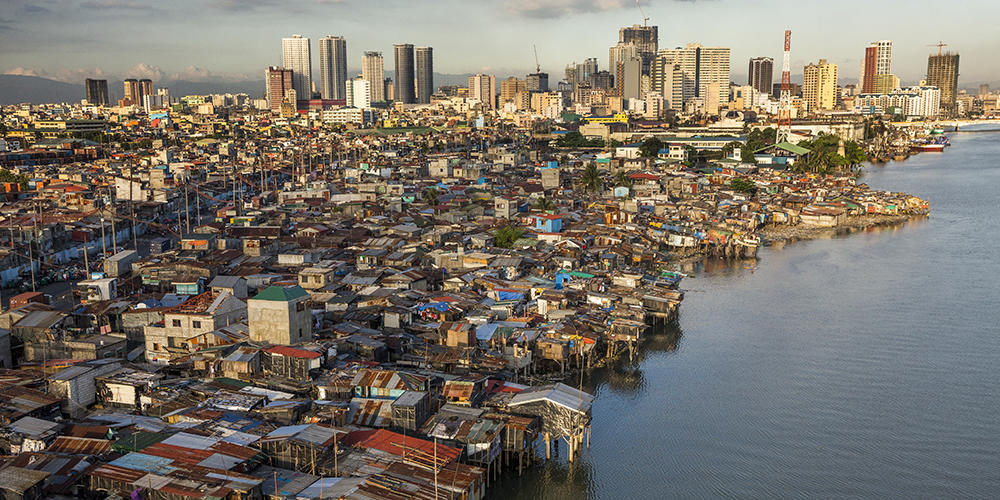
The Price of Proximity
The bill has arrived. It is priced in blood and basis points. A new report from the United Nations Development Programme (UNDP) confirms the worst fears of market analysts. Military escalation in the Middle East is no longer a localized geopolitical friction. It is a systemic economic shockwave. The data suggests that up to 8.8 million people across Asia and the Pacific will be pushed below the poverty line. Total economic losses are projected to reach $299 billion. South Asia stands directly in the blast radius.
The math is brutal. Regional instability creates a feedback loop of rising energy costs and collapsing trade routes. For emerging markets, this is a liquidity death trap. Capital is fleeing to the safety of the dollar. The US Dollar Index (DXY) has shown heightened volatility as investors weigh the risk of a prolonged conflict. This flight to quality leaves South Asian central banks with a binary choice. They must either burn through foreign exchange reserves to defend their currencies or allow inflation to vaporize the purchasing power of their citizens.
The Energy Nexus
Crude oil is the primary transmission mechanism. South Asia remains one of the world’s most energy-dependent regions. India and Pakistan rely heavily on the Strait of Hormuz for their hydrocarbon imports. Any disruption there sends Brent crude futures into a vertical climb. Per recent market data, energy prices have already begun pricing in a persistent risk premium. This is not just about the price at the pump. It is about the cost of fertilizer. It is about the cost of transport. It is about the cost of keeping the lights on in Dhaka and Colombo.
Higher oil prices act as a regressive tax on the poor. When energy costs spike, food prices follow with a lag of roughly three to four weeks. The UNDP report highlights that the heaviest burden falls on South Asia because of its low fiscal buffers. Unlike the wealthy Gulf states, countries like Bangladesh do not have the sovereign wealth funds to subsidize the shock. They are exposed. They are vulnerable. They are running out of time.
Projected Economic Losses by Region (USD Billions)
The Remittance Trap
Labor is South Asia’s greatest export. Millions of workers from Nepal, India, and Pakistan staff the construction sites and service sectors of the Middle East. These workers send home billions of dollars annually. These remittances are the lifeblood of the rural economy. They fund education. They pay for healthcare. They keep the current account deficit manageable.
Conflict threatens this flow. If the regional escalation leads to a slowdown in Gulf construction or, worse, a mass evacuation of foreign workers, the impact on South Asian GDP will be catastrophic. We are looking at a double-sided hit. On one side, the cost of imports rises. On the other, the primary source of foreign currency evaporates. This is the definition of a balance-of-payments crisis. The latest economic indicators suggest that remittance growth has already plateaued in anticipation of further hostilities.
Supply Chain Arteries
The Red Sea is a bottleneck. Shipping rates have tripled as vessels are forced to take the long route around the Cape of Good Hope. This adds ten to fourteen days to transit times. It adds millions to fuel bills. For the garment exporters of South Asia, this is a death sentence. Their margins are already thin. They cannot absorb a 300 percent increase in freight costs.
Logistics firms are now implementing “war risk surcharges.” These fees are passed directly to the consumer. The result is a global inflationary pulse that originates in the Middle East but settles in the markets of Asia. The $299 billion loss cited by the UNDP is not just a static number. It represents lost growth, shuttered factories, and a generation of progress in poverty reduction being erased in a matter of months.
The Technical Mechanism of Poverty Expansion
How does a conflict miles away push a family into poverty? The mechanism is simple and devastating. It starts with the exchange rate. As the local currency depreciates against the dollar, the cost of imported wheat and fuel rises. The government, facing a shrinking tax base and rising debt servicing costs, is forced to cut social safety nets. The family, already living on the edge, sees their real income drop by 20 percent. They cut back on protein. They take their children out of school. They sell their assets. This is how 8.8 million people disappear from the middle class.
Institutional investors are watching the May 1st trade balance reports from Mumbai and Islamabad. Those figures will provide the first hard evidence of how deep the trade deficit has cut. If the numbers show a widening gap despite the recent emergency interventions, expect a further downgrade of regional sovereign debt. The next data point to watch is the Brent crude settlement price on April 30. If it stays above the $95 threshold, the $299 billion loss estimate may actually be optimistic.