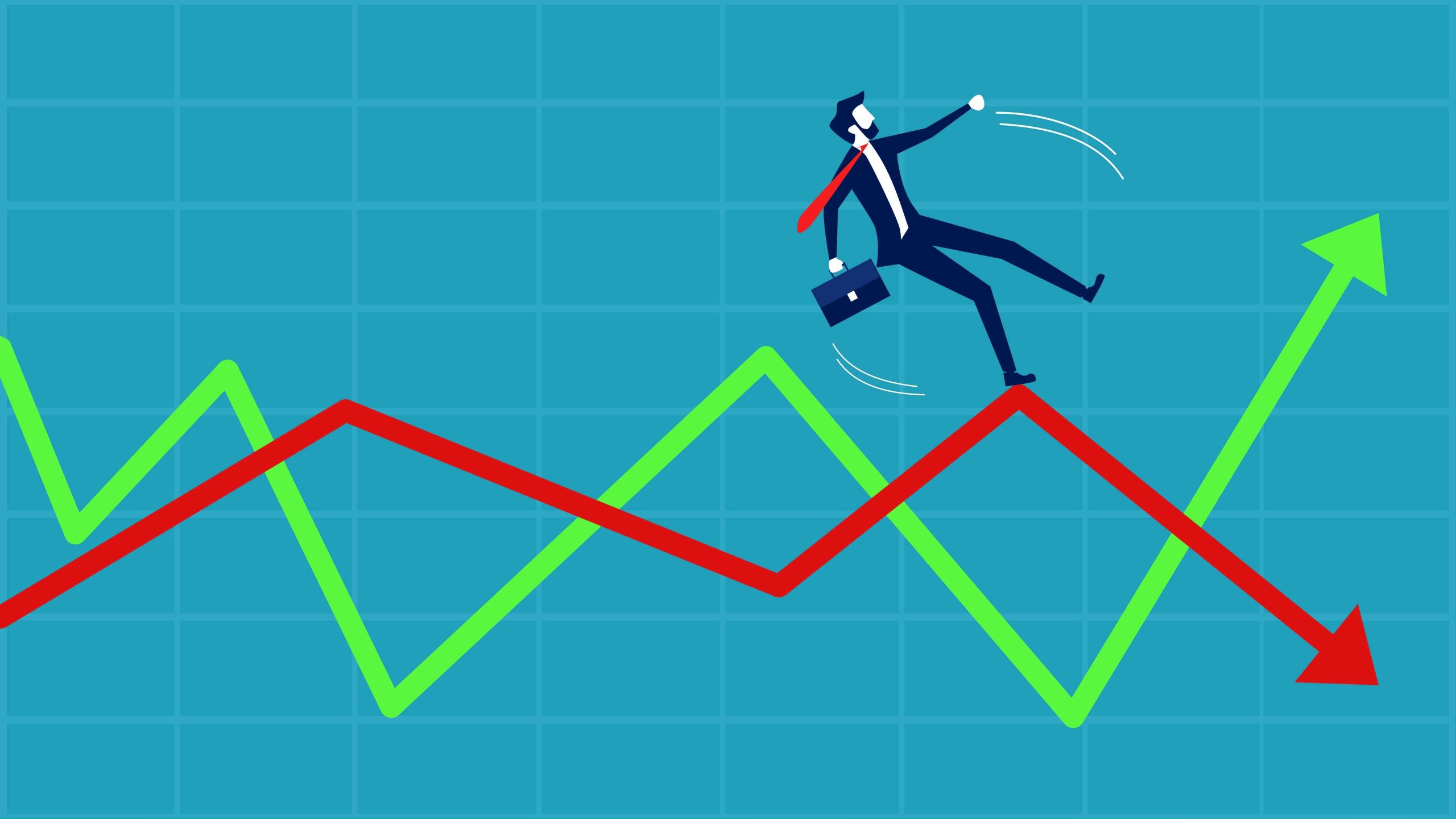
The Mathematics of Fragility
Markets are at record highs. The S&P 500 closed Friday at 6,816.89. Wall Street is celebrating a 26 percent annual gain. But for those standing on the precipice of retirement, this prosperity is a gilded trap. The danger is not a lack of growth. It is the timing of the inevitable decline. This is the sequence-of-returns risk. It is the silent killer of 401k plans.
Sequence risk is a simple math problem with devastating consequences. In the accumulation phase, volatility is a tool. You buy more shares when prices drop. In the distribution phase, volatility is a poison. When you withdraw capital from a shrinking portfolio, you lock in losses. You deplete the share count. You destroy the engine of future compounding. Morningstar’s latest research suggests that nearly 70 percent of retirement failures are decided in the first five years of withdrawals. We call this the Retirement Red Zone.
The 2026 Withdrawal Paradox
The safe withdrawal rate is rising. It sounds like good news. Morningstar now pegs the base-case safe withdrawal rate at 3.9 percent for a 30-year retirement. This is up from 3.7 percent just a year ago. But this number is a mirage for the unwary. It assumes a static, inflation-adjusted spending model that few humans actually follow. It also assumes that the current market valuations—which are historically stretched—will not revert to the mean in a violent fashion.
The Federal Reserve is currently holding rates steady at 3.50 to 3.75 percent. They are waiting for core PCE inflation to settle below their 2.7 percent projection. Per the March FOMC minutes, the central bank is in no rush to ease. This creates a high-plateau environment. Yields are attractive for now, but the equity risk premium has compressed to razor-thin margins. If a correction hits while a new retiree is pulling 4 percent out of their account, the portfolio may never recover. Even a 10 percent dip in year one can halve the probability of success over three decades.
Visualizing the Shift in Safe Withdrawal Rates
The following data represents the shifting consensus on what constitutes a ‘safe’ starting point for retirees over the last three cycles. Note the upward trend driven by higher bond yields, which masks the underlying equity volatility.
Safe Withdrawal Rate Evolution (2024-2026)
The Technical Mechanism of Ruin
Why is 2026 specifically dangerous? Look at the price-to-earnings ratios. We are trading at multiples that historically precede ‘lost decades.’ When you enter retirement at a market peak, you are essentially dollar-cost averaging in reverse at the highest possible price point. If the S&P 500 regresses to its 10-year mean, a retiree who just stopped working will be selling shares at a 20 to 30 percent discount just to pay for groceries.
Wade Pfau, a leading retirement researcher, argues that higher bond yields are the only saving grace in this environment. Bonds are finally acting as a buffer again. However, the ‘Retirement Red Zone’—the five years before and after the last day of work—remains a period of extreme sensitivity. A single bad year in this window can negate twenty years of disciplined saving. This is not a theory. It is a statistical certainty for those who ignore asset allocation shifts.
Strategic Defenses in a High-Valuation Era
Investors are increasingly moving toward dynamic spending rules. Instead of taking a fixed 3.9 percent adjusted for inflation, they are using ‘guardrails.’ If the market drops, they cut spending. If it rises, they take a bonus. This flexibility can raise the initial withdrawal rate to nearly 6 percent, but it requires a level of emotional discipline that most retail investors lack. The alternative is the ‘bucket’ approach: keeping three years of spending in cash to avoid selling equities during a downturn.
| Metric | April 2024 | April 2026 | Change |
|---|---|---|---|
| S&P 500 Index | ~5,100 | 6,816.89 | +33.6% |
| Fed Funds Rate | 5.25 – 5.50% | 3.50 – 3.75% | -1.75% |
| Safe Withdrawal Rate | 3.4% | 3.9% | +0.5% |
| Core PCE Inflation | ~2.8% | 2.7% (Est) | -0.1% |
The table above highlights the tension. We have higher stock prices and lower interest rates than two years ago. This is a recipe for complacency. The S&P 500 historical data shows that long periods of low volatility almost always end in a spike. For the retiree, that spike is a direct threat to their longevity of capital.
Watch the April 29 FOMC decision closely. If the Fed signals that 3.75 percent is the new floor rather than a pitstop on the way to 2 percent, the bond buffer may weaken. The next milestone for retirees is the Q2 earnings season. If margins compress while inflation remains sticky, the ‘Red Zone’ will claim its first victims of the year. Keep an eye on the 6,790 support level on the S&P 500; a breach there could trigger the sequence of returns event that many have spent decades trying to avoid.