The lights are dimming in the Istana.
It is a calculated retreat. Singapore has ordered all government facilities to slash electricity consumption effective immediately. This is not a performative green initiative. It is a hard pivot toward energy security as the Middle East conflict enters a volatile new phase. The city state relies on imported natural gas for over 95 percent of its electricity generation. When the Strait of Hormuz coughs, Singapore feels the fever. The Ministry of Sustainability and the Environment confirmed the mandate this morning. It follows a 48 hour spike in global energy benchmarks that has left policymakers in a defensive crouch.
The vulnerability of the gas bridge
Singapore is an island of efficiency built on a foundation of imported molecules. Most of this gas arrives as Liquefied Natural Gas (LNG) through the terminal on Jurong Island. Recent escalations in the Middle East have disrupted key shipping lanes. This has forced tankers to take longer, more expensive routes around the Cape of Good Hope. Per reports from Bloomberg, Brent Crude futures breached the $114 mark yesterday. The Japan-Korea Marker (JKM), the spot price benchmark for LNG in Asia, has followed suit. It is up 22 percent since the start of the quarter. For a nation with zero domestic energy resources, these numbers are an existential threat to the fiscal balance.
The government is moving first to signal the gravity of the situation. By reducing consumption in public buildings, the state aims to dampen the peak load on the national grid. This reduces the need to fire up expensive, inefficient backup oil-fired plants. It is a preemptive strike against a full blown energy crisis. The technical reality is that the grid is under immense pressure. Data from the Energy Market Authority suggests that the reserve margin has tightened to its lowest level in three years. There is no room for waste.
Visualizing the Tariff Surge
The financial impact of this supply squeeze is already hitting the ledger. The following chart illustrates the rapid ascent of electricity tariffs in Singapore over the first four months of the year. The data reflects the weighted average of fuel costs and grid maintenance fees passed on to consumers.
Singapore Electricity Tariff Volatility Q1 2026
The technical mechanism of the squeeze
Why does a conflict thousands of miles away dictate the temperature of an office in Raffles Place? The answer lies in the pricing formulas of long term LNG contracts. These are often indexed to the price of crude oil with a three to six month lag. However, the spot market provides the immediate marginal supply. When spot prices decouple from long term averages, the SP Group and other retailers face a massive liquidity gap. They must buy high to keep the lights on while operating under regulated tariff caps. This creates a systemic risk for the entire energy ecosystem. According to Reuters, regional energy hubs are now competing for a limited pool of uncontracted cargoes. Singapore is competing with Japan and South Korea for the same tankers. It is a bidding war that no one wins.
The government facilities mandate includes raising air conditioning set points to 25 degrees Celsius. It also includes the decommissioning of non-essential lighting and the optimization of data center cooling. Data centers alone account for roughly 7 percent of Singapore’s total electricity demand. In a constrained environment, these facilities become liabilities. The government is signaling to the private sector that the era of cheap, unlimited power is over for the foreseeable future.
Regional Energy Dependency Comparison
The following table outlines the dependency on imported fossil fuels for electricity generation across major Southeast Asian hubs. Singapore remains the most exposed to global price shocks due to its lack of a diversified energy mix.
| Country | Gas Dependency (%) | Coal Dependency (%) | Renewable Share (%) |
|---|---|---|---|
| Singapore | 95.2 | 0.0 | 4.8 |
| Malaysia | 38.5 | 44.2 | 17.3 |
| Vietnam | 12.1 | 48.9 | 39.0 |
| Thailand | 62.4 | 16.5 | 21.1 |
A structural shift in resilience
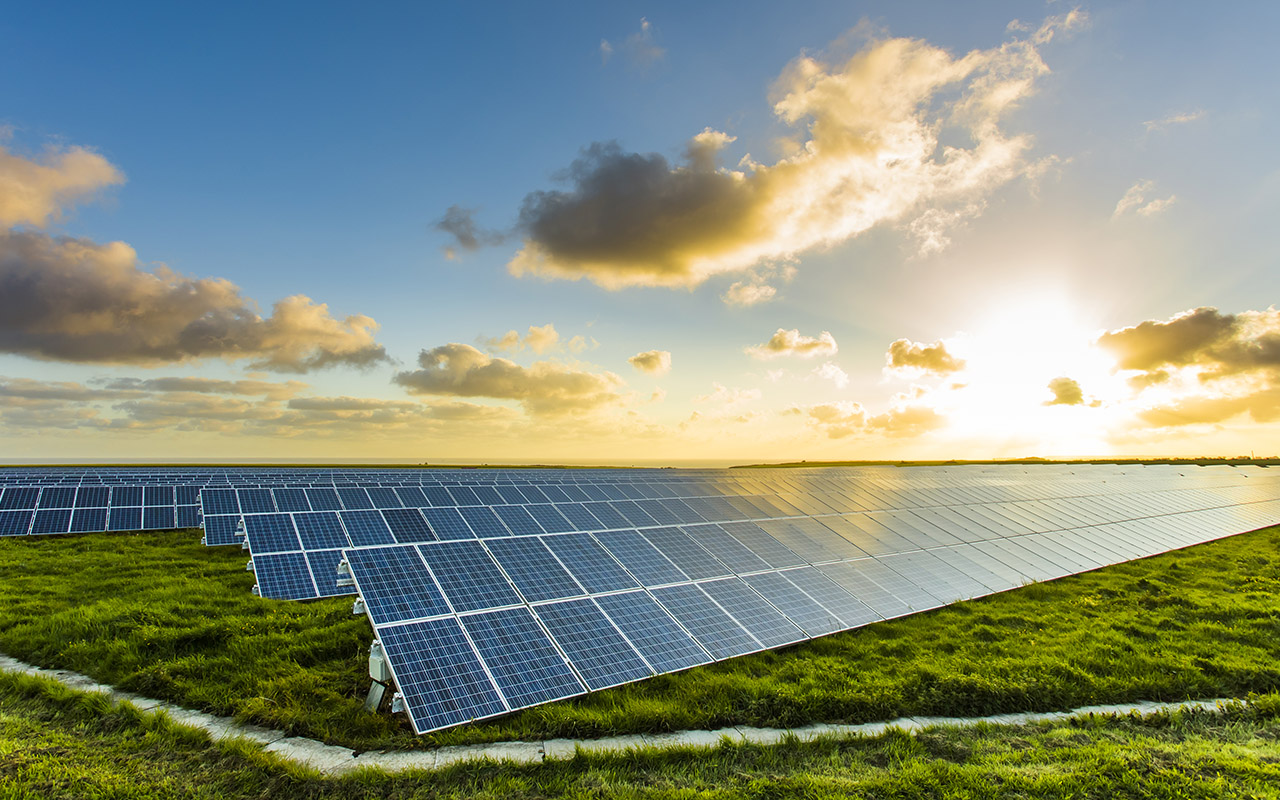
This is not a temporary glitch. The move to reduce consumption is part of a broader strategy to re-engineer the nation’s energy architecture. The Energy Resilience 2030 plan is being accelerated. This includes faster deployment of solar PV on every available rooftop and the exploration of regional power grids. But these are long term solutions for a short term crisis. The immediate concern is the stability of the Singapore dollar and the inflationary pressure of rising utility costs. High energy prices act as a regressive tax on the economy. They increase the cost of living and the cost of doing business simultaneously.
The market is now watching the upcoming OPEC+ meeting scheduled for April 15. If the cartel decides to maintain current production cuts, the pressure on Singapore will intensify. The government’s decision to lead by example is a warning shot to the public. If the Middle East situation does not de-escalate, mandatory rationing for the private sector could be the next logical step. The data point to watch is the April 15 production quota announcement, which will determine if the current $114 oil price is a ceiling or a new floor.