The Illusion of Index Stability
The tape is screaming. Prices are flickering in a desperate attempt to find a floor that does not exist. While the headline figures for the S&P 500 might suggest a controlled descent, the internal mechanics of the market reveal a far more violent reality. We are witnessing a systemic evaporation of buying conviction. Market breadth has reached levels of exhaustion typically reserved for the depths of a recessionary bear market. The divergence between the index price and the number of participating stocks is no longer a warning sign; it is a post-mortem of the 2025 rally.
Institutional order flow has shifted. Large-scale distribution is masked by the heavy weighting of a few remaining mega-cap survivors. According to recent Bloomberg market data, the percentage of stocks trading above their 200-day moving average has plummeted to its lowest level in eighteen months. This is not a healthy correction. It is a liquidation event disguised as a rotation. When the generals finally fall, the soldiers have already been buried.
Decoding the Advance-Decline Divergence
Breadth is the ultimate truth teller. It measures the health of the collective rather than the strength of the elite. Currently, the Advance-Decline line is in freefall. This technical indicator tracks the number of individual stocks advancing versus those declining. When the S&P 500 stays flat while the AD line drops, it means the market is being propped up by a shrinking handful of stocks. This is a hollow structure. It lacks the structural integrity to withstand even a minor liquidity shock.
The technical deterioration is quantifiable. Over the last forty-eight hours, the McClellan Oscillator has plunged into deep oversold territory without a corresponding bounce in price. This suggests that selling pressure is not just intense; it is persistent. Per reports from Reuters Financial News, the volume of declining issues has outpaced advancing issues by a ratio of four to one for three consecutive sessions. This level of lopsided participation is historically a precursor to a volatility spike (VIX) that forces passive index funds into a feedback loop of selling.
Visualizing the Collapse: S&P 500 Breadth Decay (March 2026)
The Liquidity Trap of 2026
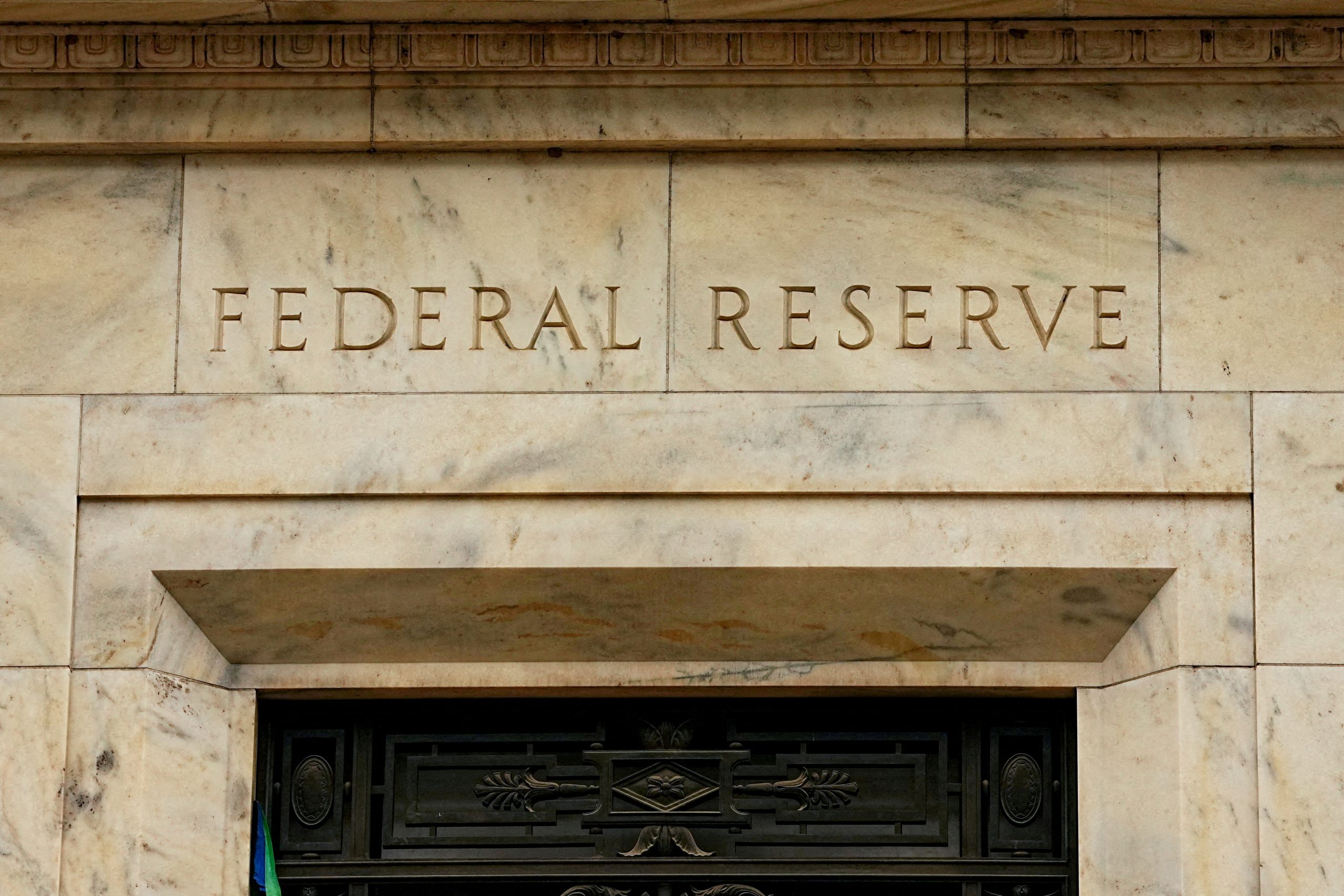
Liquidity is a ghost. It is there until you actually need it. The current market environment is characterized by thin order books and widening bid-ask spreads. This is a direct result of the Federal Reserve’s persistent “restrictive” stance, which has finally drained the excess cash that fueled the speculative manias of the previous year. As interest rates remain stubbornly high, the cost of carry for hedge funds has become prohibitive. They are not buying the dip; they are selling the rips to meet margin requirements.
Retail participation has also evaporated. The “buy the dip” mentality that defined the post-pandemic era has been replaced by a “get me out” urgency. Data from Yahoo Finance indicates that net inflows into equity ETFs have turned negative for the first time this quarter. The retail crowd, often the last to leave the party, is finally heading for the exits. This removes the final layer of support for a market that is already teetering on the edge of a technical breakdown.
Sector Performance Breakdown: March 1 – March 7
| Sector | Weekly Return (%) | Breadth Status |
|---|---|---|
| Technology | -5.4% | Deteriorating |
| Financials | -7.2% | Critical |
| Consumer Discretionary | -6.8% | Weak |
| Energy | -2.1% | Neutral |
| Utilities | +1.4% | Defensive Strength |
The table above paints a grim picture. The cyclical sectors—Financials and Consumer Discretionary—are leading the way down. This is a classic signal of economic anxiety. Investors are fleeing to the perceived safety of Utilities, but even that sector is showing signs of overcrowding. When the defensive plays become the only game in town, the end of the cycle is near. The tape does not lie, and right now, it is telling a story of a market that has run out of excuses and, more importantly, run out of buyers.
The Order Flow Crisis
Dark pool activity has surged. Large institutional blocks are being moved off-exchange to avoid triggering a total panic. However, this shadow selling eventually hits the lit exchanges as the underlying delta hedging requirements change. We are seeing massive “sell programs” hitting the tape in the final thirty minutes of trading. This is the hallmark of institutional distribution. They are using the daily liquidity to exit positions before the overnight risk becomes too great.
Short interest is rising, but not in the way that leads to a squeeze. Instead of speculative shorts, we are seeing structural hedging. Portfolio managers are buying puts at a record pace, driving the put-call ratio to extreme levels. This indicates that the market is not just bearish; it is terrified. The lack of a “short squeeze” despite the rapid decline suggests that there is no one left to squeeze. Everyone is already on the same side of the boat, and it is tilting dangerously toward the water.
The next forty-eight hours will be pivotal for the S&P 500. We are approaching a major technical support level at the 4,800 mark. If this level fails to hold on high volume, the psychological damage will be irreparable for the spring season. Traders should keep a close eye on the March 12 CPI release. Any indication that inflation remains sticky will likely be the final nail in the coffin for the remaining bulls. The tape is deteriorating because the fundamentals have finally caught up with the price. The era of easy gains is over. We are now in a battle for capital preservation.