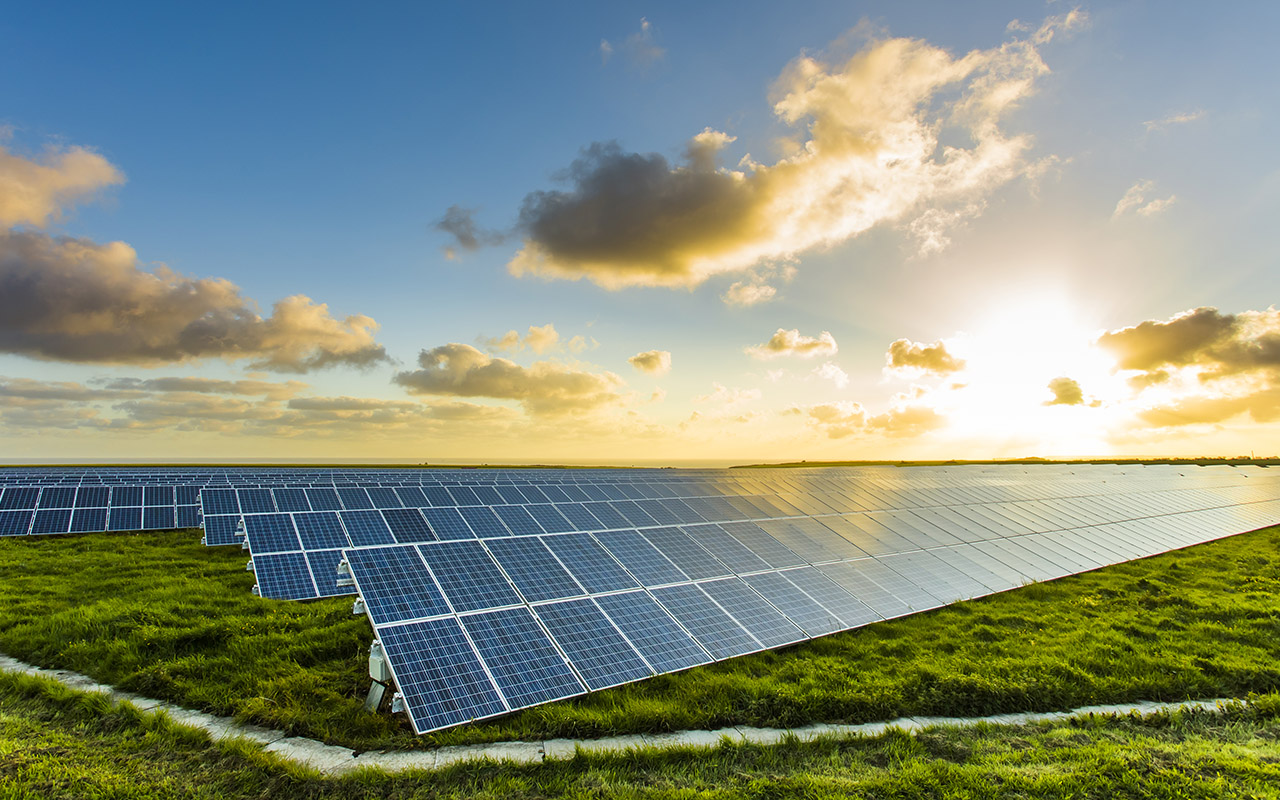
The central grid is a liability. In Bujumbura, the state power utility, REGIDESO, struggles with a crumbling infrastructure that bleeds capital through transmission loss and fuel dependency. Power is a luxury the state can no longer afford to subsidize at scale. The latest initiative from the UNDP and the Global Fund marks a strategic pivot. They are deploying solar-powered, digitally monitored health facilities across the country. This is not merely a humanitarian gesture. It is a calculated move to bypass the systemic inefficiencies of a failing national grid.
The Fiscal Weight of Energy Insecurity
Energy costs are the silent killer of healthcare budgets in East Africa. Traditional clinics rely on diesel generators to bridge the gap during frequent blackouts. Diesel is expensive. It is subject to the volatility of global oil markets and the logistical nightmares of landlocked supply chains. By March 2026, the cost of imported fuel has placed an unbearable strain on Burundi’s foreign exchange reserves. The volatility in energy prices has forced the Ministry of Health to choose between medicine and electricity.
The new solar facilities change the math. They provide a fixed-cost energy baseline. Decentralization removes the single point of failure inherent in a centralized utility. When the national grid goes dark, these clinics remain operational. This is resilience defined as fiscal predictability. The Global Fund is increasingly acting as a de-facto infrastructure bank for the region, recognizing that health outcomes are tethered to energy security.
Digital Monitoring and the End of the Install and Forget Cycle
Development projects often fail due to maintenance neglect. A solar panel is useless if the inverter fails and no one notices for six months. The UNDP’s “digitally monitored” approach addresses this technical bottleneck. Every facility is equipped with IoT sensors that transmit real-time performance data. This allows for predictive maintenance. Technicians can identify a degrading battery bank before it collapses. It is a data-driven approach to sovereign asset management.
This transparency is critical for international donors. They demand accountability. Real-time data provides proof of impact that traditional audits cannot match. In an era where regional investors are wary of infrastructure risks, these digitally secured assets represent a lower-risk profile. The data shows exactly how many kilowatt-hours are generated and saved.
Comparative Energy Costs in Burundi Healthcare
The following visualization illustrates the projected operational cost savings per health facility over a five-year period. The shift from diesel-heavy reliance to a solar-first model represents a significant reduction in recurring expenditure.
Estimated Monthly Energy Costs per Facility (USD)
The Macroeconomic Implications of Off-Grid Resilience
Burundi’s central bank, the BRB, has maintained interest rates at 12 percent to combat currency depreciation. This high-interest environment makes traditional infrastructure loans prohibitively expensive for the state. Grant-funded solar initiatives provide a necessary relief valve. They reduce the demand for foreign currency needed to import fuel. Every kilowatt generated by a clinic is a kilowatt that does not need to be purchased on the international market.
The scale of this deployment is significant. It sets a precedent for other sectors. If healthcare can be successfully de-coupled from a failing grid, why not education or light manufacturing. The UNDP is essentially running a pilot program for a decentralized national economy. The technical success of these facilities will determine the flow of future climate-resilient capital into the region.
Sovereign Risk and Infrastructure Durability
Investors are watching the durability of these systems. The harsh climate and limited local supply chains for high-tech components are significant hurdles. The success of the digital monitoring system is the lynchpin. If the IoT sensors can effectively manage the maintenance lifecycle, it proves that sophisticated technology can survive in low-resource environments. This reduces the perceived risk for future private equity involvement in East African renewables.
The integration of these systems into the national health strategy suggests a long-term commitment. It is no longer about temporary fixes. It is about building a parallel infrastructure that can withstand the failures of the legacy state systems. The data from the first quarter of 2026 suggests that power outages in these solar-equipped facilities have dropped to near zero. This is a stark contrast to the 30 percent downtime experienced by grid-dependent clinics in the same regions.
The next critical data point arrives in April. The IMF is scheduled to review Burundi’s progress under the Extended Credit Facility. Analysts will be looking for evidence that these infrastructure efficiencies are translating into reduced fiscal pressure on the national budget. Specifically, watch for the ‘Energy Import Ratio’ in the upcoming BRB quarterly report. A downward trend there will confirm that the solar pivot is working.