The Levies Arrived with a Shudder
The global trade order just fractured. On February 27, the 10 percent universal baseline tariff officially went live. Markets did not react with surprise; they reacted with a slow, grinding realization of the new cost of doing business. This is not a drill. Supply chains that were already strained by years of geopolitical realignment are now facing a literal tax on existence. The immediate impact hit the currency markets first, but the real story is the 150 day clock now ticking in the background. This window represents the final opportunity for bilateral negotiations before the protectionist walls become permanent features of the landscape.
The Standoff in Beijing
Talks with Xi Jinping have stalled. There is no other way to frame it. Despite high level envoys moving between Washington and Beijing over the weekend, the stalemate remains absolute. China has signaled it will not negotiate under the duress of the new tariff regime. Instead, Beijing has pivoted toward its own internal ‘fortress economy’ strategy. According to reports from Reuters, the Chinese Ministry of Commerce is already preparing a list of retaliatory measures targeting agricultural exports from the American Midwest. The 150 day grace period was supposed to be a cooling off period. It is looking more like a countdown to a deeper freeze.
Gold Testing the Floor
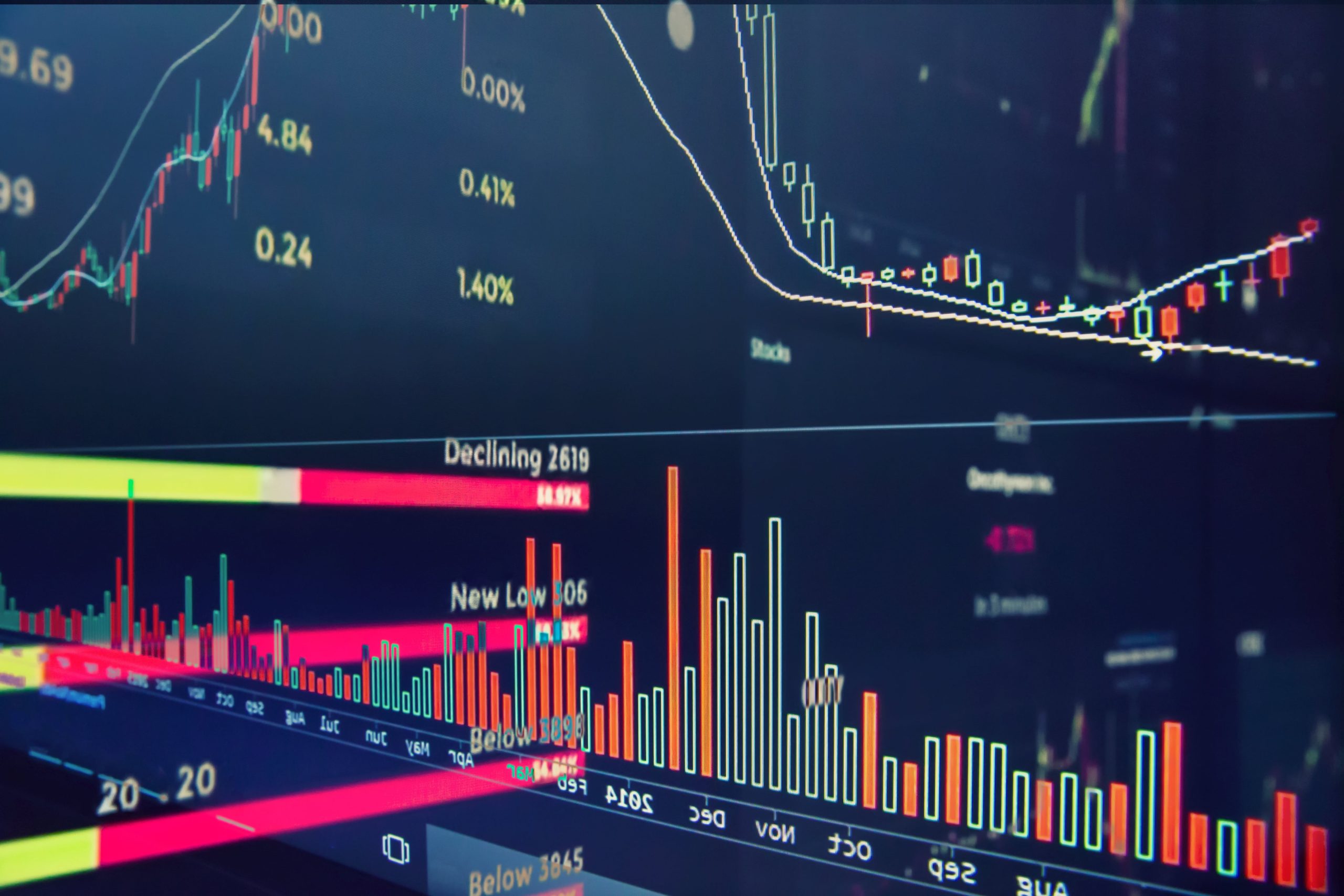
Safe havens are behaving erratically. Gold (XAU/USD) is currently testing key support levels as the US Dollar surges on the back of expected inflationary pressure. Usually, geopolitical tension drives gold higher. Today, the dollar’s dominance is sucking the oxygen out of the room. Traders are liquidating gold positions to cover margin calls in equity markets that are reeling from the tariff news. Per the latest data from Yahoo Finance, the yellow metal is hovering just above the $2,400 mark, a level that technical analysts describe as the last line of defense before a deeper correction.
Gold Price Volatility Post Tariff Implementation
The Mechanics of Protectionism
This is not just a 10 percent tax. It is a systemic shock. The 150 day clock is a tactical lever designed to force concessions, but it ignores the reality of modern manufacturing. Components cross borders dozens of times before final assembly. A 10 percent levy at each stage compounds into a massive price hike for the end consumer. If the talks with Xi remain frozen, we are looking at a permanent shift in the global Consumer Price Index. Analysts at Bloomberg suggest that if the full weight of these tariffs is passed on, domestic inflation could see a 1.5 percent spike by the third quarter.
Sector Breakdown of Tariff Impact
The pain is not distributed equally. Some sectors are shielded by existing trade agreements, while others are being used as pawns in the negotiation. The following table outlines the projected shifts in tariff rates for key industries as of today, March 2.
| Industry Sector | Pre-Feb 27 Rate | Current Effective Rate | Projected 150-Day Escalation |
|---|---|---|---|
| Consumer Electronics | 2.5% | 12.5% | 25.0% |
| Automotive Parts | 4.0% | 14.0% | 20.0% |
| Industrial Machinery | 3.5% | 13.5% | 18.5% |
| Semiconductors | 0.0% | 10.0% | 15.0% |
The Logistics of the 150 Day Fuse
Why 150 days? The timing is precise. It places the deadline squarely in the middle of the summer shipping season. This is when retailers begin stocking up for the year end holidays. By setting the clock now, the administration is holding the fourth quarter hostage. If a deal is not reached by late July, the cost of every toy, gadget, and garment imported for the winter season will skyrocket. It is a high stakes game of chicken where the American consumer is the one standing in the middle of the road. The ‘stalled talks’ mentioned in recent dispatches are not just a diplomatic hiccup; they are a sign that the leverage might not be working as intended.
Watching the July Milestone
The market is currently pricing in a 40 percent probability of a deal before the 150 day window expires. That is a pessimistic outlook. If the talks remain deadlocked through April, expect a massive flight to liquidity. The next data point to watch is the April 15 trade balance report. This will provide the first hard evidence of how much trade volume has already been diverted to avoid the new levies. If the trade deficit does not narrow significantly, the justification for these tariffs will weaken, potentially leading to even more aggressive policy shifts. The fuse is lit. The question is whether anyone has the courage to put it out before the July deadline arrives.