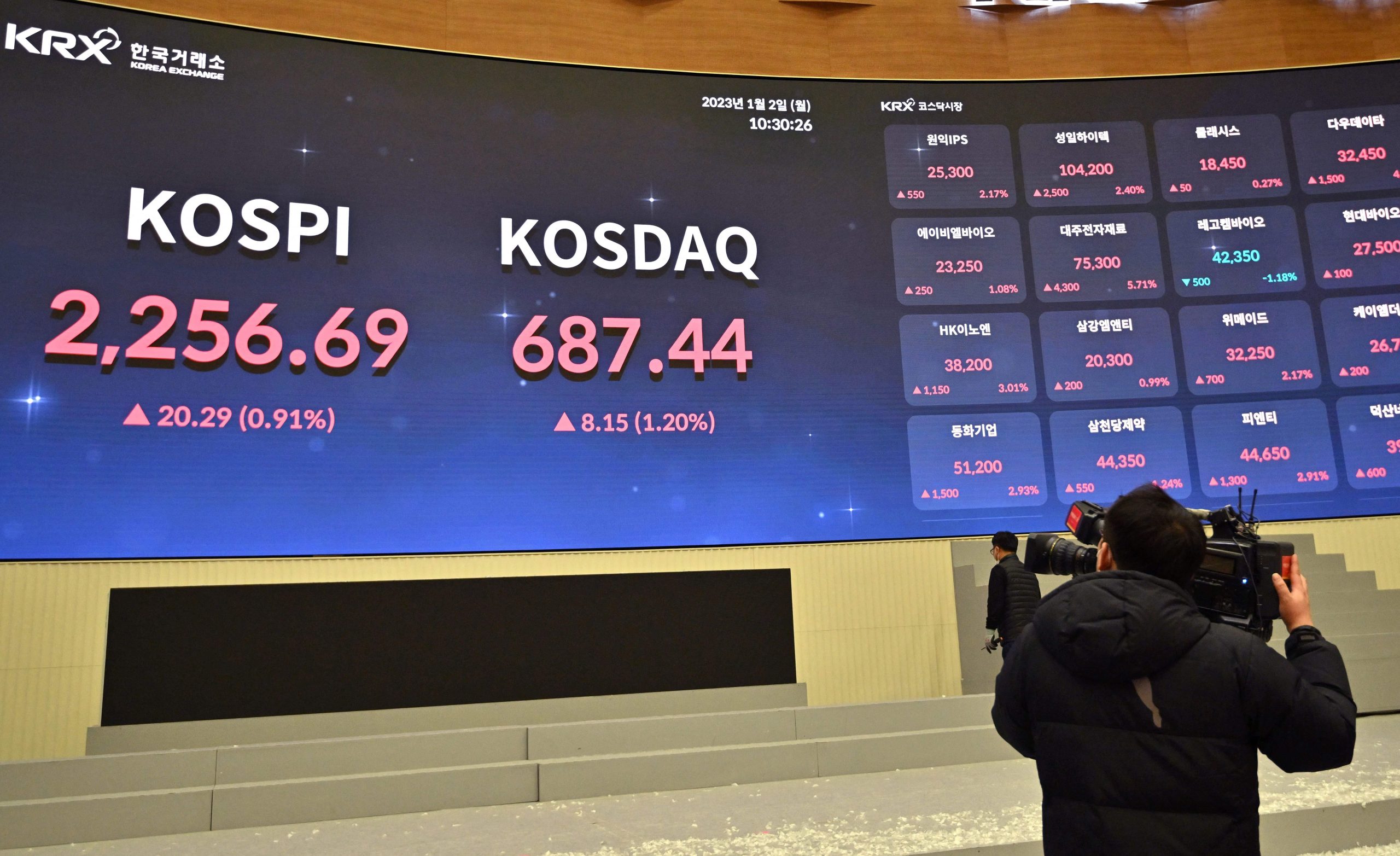
The Liquidity Mirage and the Q4 Pivot
The market is drunk on optimism. Following the Federal Reserve’s decision to hold rates steady in September, retail traders have flooded back into growth stocks with a recklessness not seen since the 2021 meme stock mania. But looking at the data from the October 10 bank earnings, specifically the rising credit loss provisions at JPMorgan Chase, the narrative of a soft landing is fraying at the edges. Swing traders are currently ignoring a massive divergence between the S&P 500’s price action and declining internal breadth. While the index hovers near all-time highs, fewer than 45 percent of constituent stocks are trading above their 50 day moving average. This is the classic setup for a distribution phase where institutional ‘smart money’ offloads positions to retail ‘swing traders’ who are late to the party.
The AI Momentum Fatigue
Nvidia remains the sun around which the market orbits. As of yesterday’s close on October 13, 2025, NVDA sits at 142.50 dollars, sporting a Relative Strength Index (RSI) of 74. This is deep overbought territory. The ‘catch’ that many are missing is the deceleration in data center capital expenditure guidance from secondary players. If the big tech spenders pull back even slightly, the current valuation of 45 times forward earnings becomes an anchor. We are seeing a technical ‘rising wedge’ pattern on the daily chart, which historically precedes a 10 to 15 percent correction. For a swing trader, entering here is not a strategy; it is a gamble on a greater fool appearing in the next 48 hours.
Tactical Analysis of Current High-Volume Tickers
To move beyond generic advice, we must look at the specific price levels where liquidity sits. The following table breaks down the three most active swing targets as of this morning, October 14, 2025, based on Yahoo Finance most active data.
| Ticker Symbol | Current Price (Oct 13) | Entry Zone (Limit) | Profit Target | Stop Loss (Hard) | Risk Level |
|---|---|---|---|---|---|
| NVDA | $142.50 | $128.40 | $155.00 | $122.10 | Extreme |
| IWM (Small Caps) | $215.20 | $202.00 | $225.00 | $197.50 | High |
| PLTR | $48.15 | $41.20 | $54.00 | $38.00 | High |
The Russell 2000 (IWM) is particularly dangerous right now. Small cap companies are facing a wall of debt refinancing in early 2026. Per recent Reuters market reports, the cost of servicing this debt has stayed stubbornly high despite the Fed’s rhetoric. If the 10 year Treasury yield pushes past 4.5 percent this week, the IWM will likely break its 210 dollar support level, triggering a cascade of automated sell orders. Swing traders looking for a ‘long’ position should wait for a retest of the 200 day moving average rather than chasing the current ghost rally.
Visualizing Market Stress Indicators
Understanding volatility is more important than tracking price when the market is this top heavy. The following chart visualizes the Volatility Index (VIX) movements over the last fourteen trading days leading up to today. Note the sharp ‘higher lows’ being formed even as the market hits new highs. This is a volatility divergence, a signal that institutional players are buying protection (put options) at an accelerated rate.
The Technical Mechanism of the ‘Bull Trap’
The current market structure relies on ‘Gamma Squeezes.’ Dealers are forced to buy the underlying stock to hedge the massive volume of out of the money call options retail traders are buying. This creates an artificial feedback loop. However, the ‘catch’ occurs when the options expire or the price stalls. The moment the buying pressure stops, dealers begin unwinding their hedges, leading to a violent move down. We saw this exact technical mechanism play out in the SEC’s analysis of prior market disruptions, and the 2025 setup looks identical. The trap is set when the VIX stays low while the Put/Call ratio begins to climb, which is exactly what the data showed on the October 13 close.
Strategic Shifts for Late 2025
Swing trading in this environment requires a ‘hit and run’ mentality. Holding positions for more than three to five days increases your exposure to overnight gap downs. The strategy should shift from ‘Buy and Hold’ to ‘Mean Reversion.’ This means shorting stocks that are 2 standard deviations above their 20 day Bollinger Band and buying only when they touch the lower band. For example, Palantir (PLTR) has moved parabolic, but its actual revenue growth from government contracts is not scaling as fast as the stock price suggests. A savvy trader would look for a short entry at 50 dollars with a tight stop at 52 dollars, targeting a return to the 40 dollar level where institutional support actually exists.
Watch the 10 year Treasury auction results scheduled for later this week. If the yield stays above 4.4 percent, the equity risk premium becomes unattractive for fund managers. They will pivot to bonds, leaving swing traders holding the bag in overvalued tech names. The next major milestone to monitor is the January 2026 earnings cycle for the Magnificent 7, where any miss on AI monetization will likely trigger a 20 percent sector-wide revaluation.